Frequent strikes by medics affect patient care at KP teaching hospitals
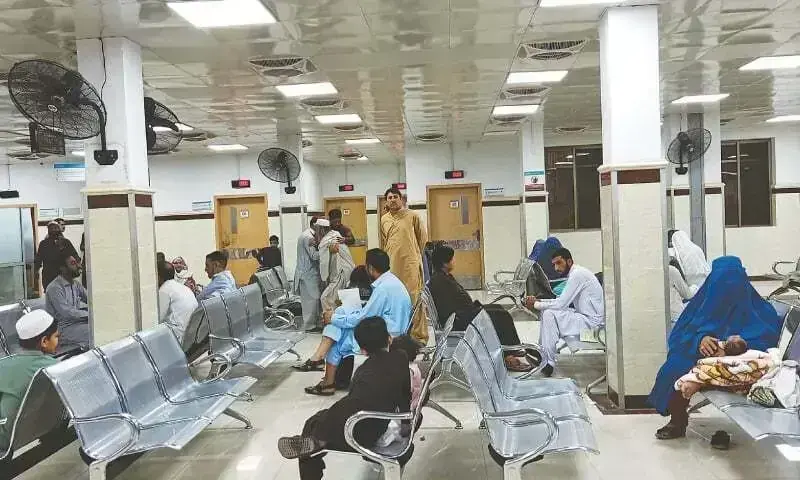

PESHAWAR: Patients suffer in medical teaching institutions due to strikes by healthcare workers and the government form committees to resolve the relevant issues, which are never addressed, according to sources and experts.
Latest in series was a four-day strike observed by Young Doctors Association at Hayatabad Medical Complex from July 24 against alleged illegal appointments and corruption. The strike was called off after assurance by health department to hold high-level probe into allegations on July 29.
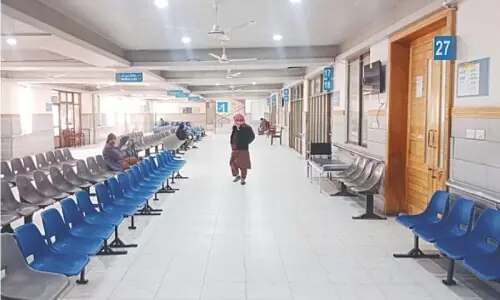
The inquiry is yet to begin but during those four days thousands of patients suffered, surgeries were postponed and investigations were not carried out at the 1200-bed hospital, which houses Institute of Kidney Diseases (IKD), Pakistan Institute of Community Ophthalmology (PICO) and Burns and Plastic Surgery Centre (B&PSC).
IKD performs two renal transplants every day while the number of patients visiting PICO and B&PSC for surgeries and examinations runs into hundreds per day. Interestingly, doctors sit at hospitals to conduct institution-based practice (IBP) in the evening where patients are seen upon paying consultation fee.
Govt forms committees after every protest but without any outcome
In IBP, doctors sit in the same rooms that receive OPD patients in morning. In the morning, these rooms remain off-limits for patients. It has become a standard practice in medical teaching institutions (MTIs).
Sources said that strikes were started and then called off after few days in MTIs but neither inquiries were conducted nor the medics responsible for denying services to patients were brought to justice.
They said that doctors, nurses and paramedics resorted to strikes often over petty issues that could be resolved amicably. “Such protests neither harm the staffers nor the administration as they get their salaries as usual. As far as the government is concerned, its ministers and officers get medical services mostly in private hospitals,” they added.
In early March this year, doctors went on strike against non-implementation of Khyber Pakhtunkhwa Healthcare Service Providers and Facilities (Prevention of Violence and Damage to Property) Act, 2020, aimed at safeguarding healthcare workers, patients and establishments against unlawful activities disrupting healthcare services.
“This is a chronic and serious issue faced by healthcare workers but the government formed a committee to resolve the matter only when patients suffered for a couple of days,” said experts.
They said that few doctors were killed while violence against healthcare workers in hospital occurred now and then but the government was unable to offer any durable solution to that genuine problem.
In September last year, HMC remained shut when medics began protest after clash with the staff of TB Control Programme. The office of the progarmme is located on the premises of the hospital. The clash erupted over parking of car by a trainee medical officer of HMC that ended up in brawl with a Class-IV employee of TCP.
Services to patients remained suspended for few days and were restored but no action was taken against anyone.
This practice has only been affecting the patients, who are visiting hospitals to be seen in OPD and get admitted for investigation, treatment and surgeries. All these services are offered in private hospitals but charges are high and not affordable for most of people.
It is true for Khyber Teaching Hospital and Lady Reading Hospital, Peshawar, as well where thousands of patients come every day. The government must realise that the series of strikes should end by resolving the pressing issues faced by staff.
“Protection of healthcare providers is mandatory to enable them to perform their duty fearlessly and the government has already completed the required legislation but its implementation is needed. Other minor issues are resolved in a timely manner to ensure uninterrupted services to patients,” said experts.
Published in Dawn, August 11th, 2026