“ASSALAM-o-Alaikum Wa Rahmatullah-i-Wa Barakatuh.”
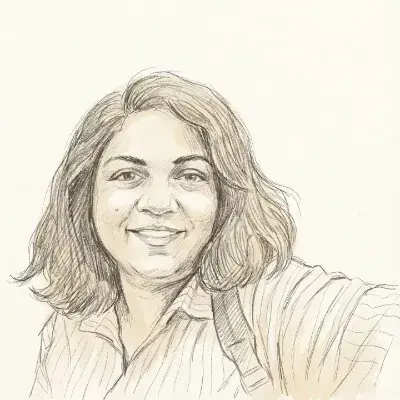
This is how our tour guide greets us soon after landing at Urumqi Airport. She introduces herself as ‘Sunny’, and then tells us that her given name is Rahiman Ma.
“You are Muslim?” I ask.
“Alhamdolillah yes,” she smiles and nods.
Urumqi, the capital and largest city in the Xinjiang Uyghur Autonomous Region in Northwestern China, has an estimated population of 4.4 million people including a robust Muslim population of Uyghur, Hui, Mongols, Kazakh and Kyrgyz Muslims, that amounts to around 12 per cent of the city’s total number of people.
Over the course of the next three days, I encounter many more Muslims in the city, as well as several others with Muslim-sounding names who said that they don’t follow any religion. I also notice some Arabic writing along with the Chinese Hanzi script on banners and boards, only to be informed that it is the Uyghur script that I’m seeing.
I meet Dilnar and Yasmin Jahan, who say they are Uyghur but not Muslim. Dilnar has visited Islamabad and developed a liking for Pakistani food. Although Yasmin has not been to Pakistan, but she speaks excellent Urdu. She happily drops her real name, Lily, to proudly carry the name given to her by her Urdu teacher in Beijing.
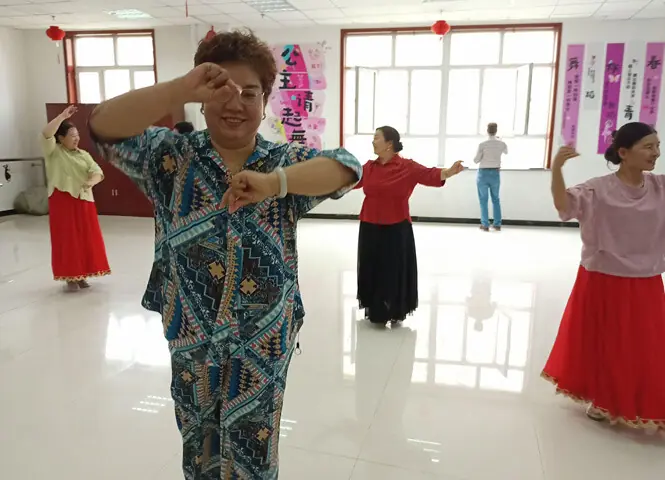
Women in this region usually retire at 55, while the men work for another five years
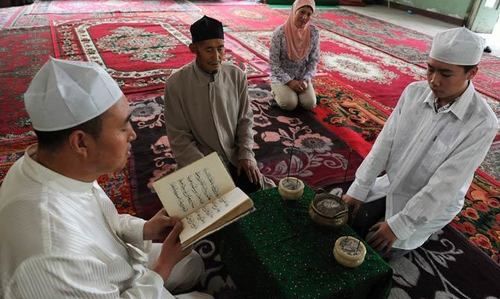
Sunny, Dilnar and Yasmin accompany us to the Wu Yi Tongxiangdong Mosque in the 12th Division of the Xinjiang Production and Construction Corps.
It is a rural area surrounded by orchards and farms. Unlike everywhere else in China, there is no big electronic screen to introduce you to the place with a short documentary, nor is there a rotating Lazy Susan on the dining table.
It is Friday afternoon. Chen Yun, the Imam of the mosque, offers you the bounties of nature and savoury items prepared by the mosque volunteers. “They were so looking forward to meeting you all that they delayed going home after Friday prayers to prepare this humble spread for you,” the Imam tells our delegation of journalists from Pakistan.
Meanwhile, Sunny leans forward to ask me if women in Pakistan pray in mosques. I explained to her that we can be in some of our mosques, but not together. Just then, the Imam tells us that his mosque is also for men only. He also says that there are around 25,000 mosques in Xinjiang, but when I ask about the number of Imam Bargahs, he says: “None. The Muslims here are all Sunni”.
On the urban side, the strikingly majestic Erdaoqiao Mosque is surrounded by the bustling Grand Bazaar, beckoning all, especially tourists. Noticing me peering into his shop of beaded jewellery more than once, the shopkeeper gestures for me to come inside, calling out: “Andar ajao Behen [Come in Sister]!”
Not sure I heard him right, I ask if he just spoke in Urdu? “Haan haan [Yes yes],” he says. His name is Aziz and he picked up Urdu in Islamabad where he ran a shop around 15 years ago. “But that was a long time ago,” he says, adding that he is now permanently stationed in Urumqi. “I’m very happy with my life in China,” he tells me.
That evening on our bus ride back to our hotel, Sunny sings to us. “It means: I love Xinjiang and Xinjiang loves me,” she translates.
Does she really? From what I hear, women in the Autonomous Region retire at 55, while the men retire at 60. “Most of us are grandmothers by the time we are 50 and by then we are looking forward to retirement, which allows us quality time with our grandchildren, and pension, which comes a day or so before the start of a new month. It is good money for doing no work,” she winks before taking out her phone and showing me a picture of her daughter, Jamila, looking smart in an Emirates airline stewardess’s uniform. Sunny also has a four-year-old grandson.
Muslims also get to enjoy more holidays on their festivals and ceremonious days. “Where we get something like three days off from work, the others get only a day off,” Sunny smiles.
Published in Dawn, August 15th, 2026