Women-focused reforms urged in Balochistan livestock sector
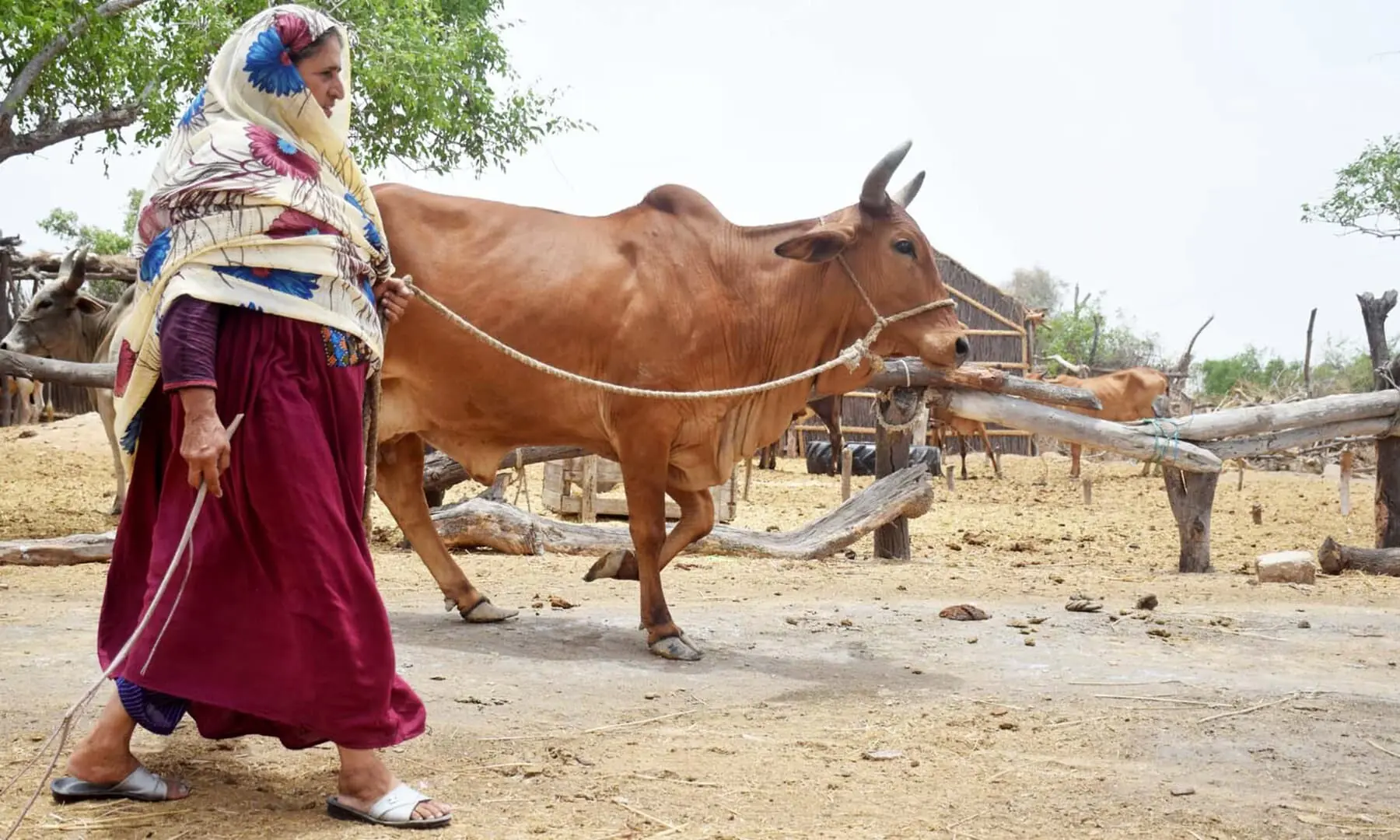

QUETTA: Government officials and development partners called for strengthening rural women’s access to resources and markets in Balochistan’s livestock sector during a workshop, organised to translate academic research into practical policies for women’s economic empowerment.
The workshop, organised to share findings and recommendations from a Food and Agriculture Organisation (FAO)-supported University of Balochistan study, highlighted the need for gender-responsive approaches to improve women’s participation in livestock-based livelihoods, including value addition, marketing and household decision-making.
“Understanding women’s roles, opportunities and constraints within livestock-based livelihoods is essential to designing interventions that respond to their realities and unlock their economic potential,” said James Okoth, the FAO officer in-charge.
“This study provides valuable evidence on access to resources, decision-making and markets, helping identify practical pathways towards greater economic empowerment for rural women and more inclusive livestock development in Balochistan,” Okoth said.
Officials call for better access for rural women to resources, skills, livestock markets
Sher Shah Ghilzai, secretary of the Women Development Department of the Government of Balochistan, who served as the chief guest, said improving women’s access to resources, skills, markets and decision-making was essential for creating greater economic opportunities.
“Strengthening women’s access to resources, skills, markets and decision-making is essential to creating greater economic opportunities for women and their households,” Ghilzai said.
“We appreciate FAO’s collaboration with the University of Balochistan in generating evidence that can inform practical policies and programmes and welcome continued partnerships to translate research into action for rural communities across Balochistan,” he said.
The study was supported through the European Union-funded “Post Floods Resilient Recovery and Strengthening of the Livestock Sector in Balochistan” project and conducted by the University of Balochistan to examine challenges and opportunities faced by women involved in livestock-based livelihoods across the province.
Published in Dawn, August 23rd, 2026