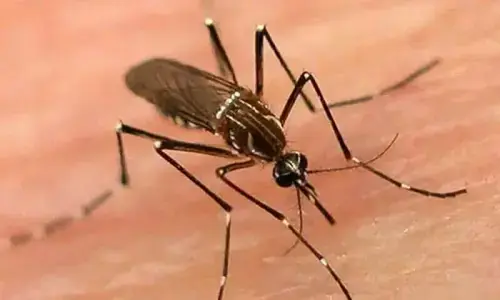
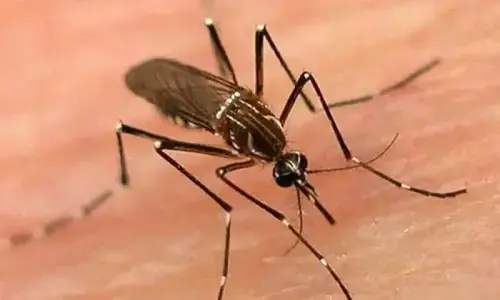
PESHAWAR: With dengue cases rising in Khyber Pakhtunkhwa, the health department has said it is focusing on public awareness along with strengthening larvae source management activities to prevent outbreaks as the peak season for the mosquito-borne disease has begun.
A weekly report released by the department’s Integrated Diseases Surveillance and Response System said the province’s tally of confirmed dengue cases has risen from 392 last week to 478.
It revealed that 86 more dengue cases emerged in the week compared to 53 last week.
Officials said that the incident wasn’t unusual as the province had entered the endemic phase in which more cases were recorded every year.
KP reports 86 new cases this week
They, however, said the main challenge was scaling up public awareness to prevent mosquito bites and eliminate puddles, the prime cause for a rise in mosquito production.
The officials said Peshawar had reported 177 dengue cases, Kohat 151, Bannu 31 and Haripur 21, whereas the number of infections was in the single digit in other districts.
This week, Kohat recorded 33, most cases by any district in the province and 12 by Peshawar and Bannu.
Officials said that rise in temperature could lead to an increase in cases, so awareness was the key to prevent outbreak, which was possible through preventive measures, including the use of bed nets to stay safe from the bites of mosquitoes, the carriers and transmitters of the disease.
Officials said they deployed over 15,000 lady health workers throughout the province who were visiting dengue hotspots and meeting women to educate them about the hazards associated with indoor water storage in unsafe manners to stop breeding of mosquitoes.
They said they had also deployed more entomologists in the areas which were reporting more and more cases and had strengthened surveillance to test more people through rapid diagnostic kits on the spot.
The officials said 2,697 suspected dengue patients, mostly with fever, had been tested for dengue.
They said activities in line with the Dengue Action Plan, 2026, were launched in the first month of the current year, so the cases were less than half of those reported last year during the corresponding period.
The officials said recently, a meeting under the chairmanship of health minister Khaliqur Rehman reviewed the overall dengue-related situation with the district health officers expressing satisfaction with the availability of chemicals, spray and relevant stuff required to eliminate larvae and ensure screening of the suspected people.
They said that only 10pc of the cases confirmed on rapid diagnostic kits were referred to the public health reference lab for testing through PCR to see the type of virus.
The officials, however, said there was no danger of dengue outbreaks in the province.
They said as per directives of health secretary Fayaz Ali Shah, anti-dengue activities were in progress in all districts, especially in Kohat where the refugees’ camps vacated by Afghan refugees were being leveled as the standing water pools there were suspected to be potential breeding spots.
The officials said the persistent challenge was that the medical teaching institutions were not sharing data regarding the “line lists” of patients with the department despite repeated requests.
They said Peshawar being the epicenter of the dengue problem had long been a grave public health issue, so the department desperately required data to formulate a strategy for disease control and prevention.
Published in Dawn, August 30th, 2026