‘Dying Indus Delta threatens coastal livelihoods, Karachi’s future’
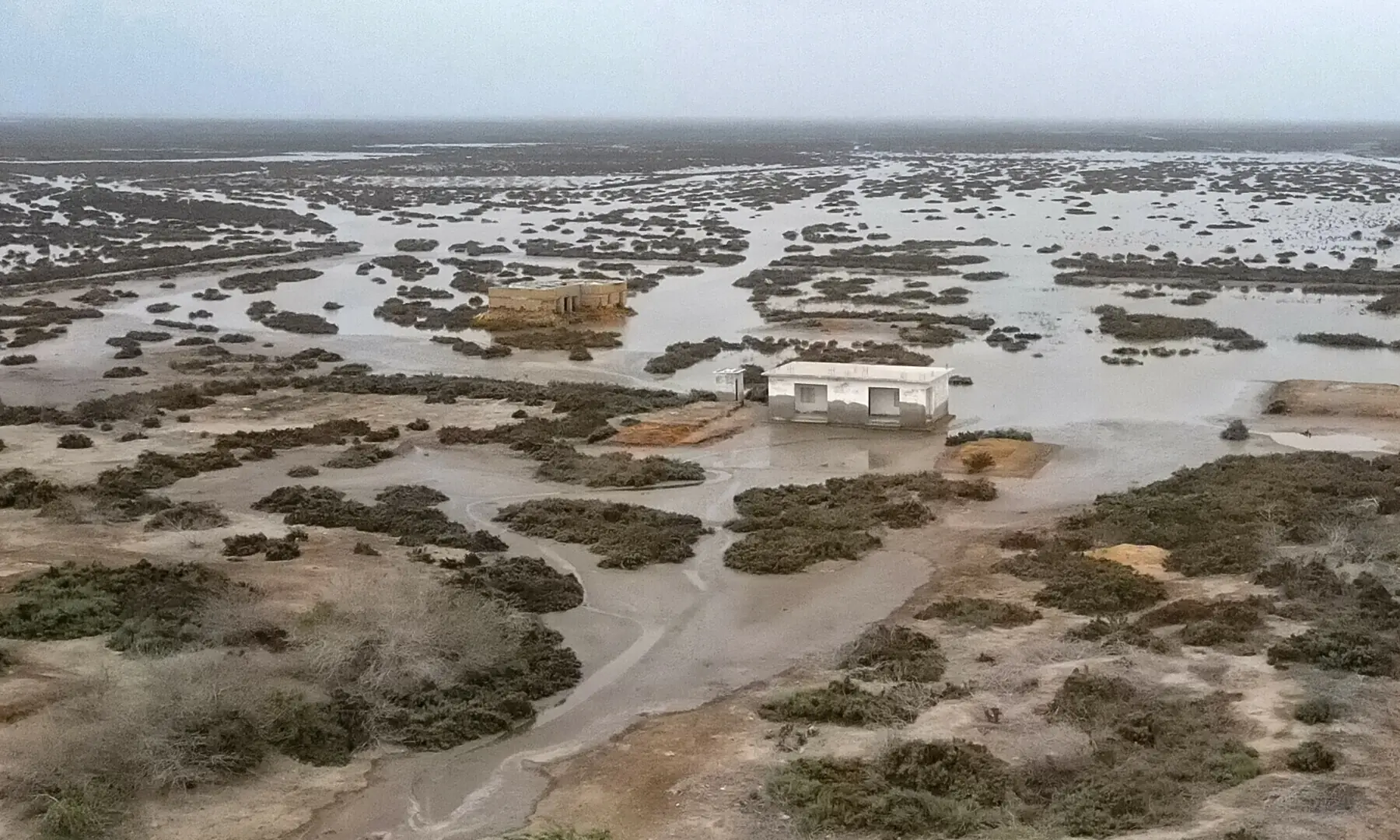

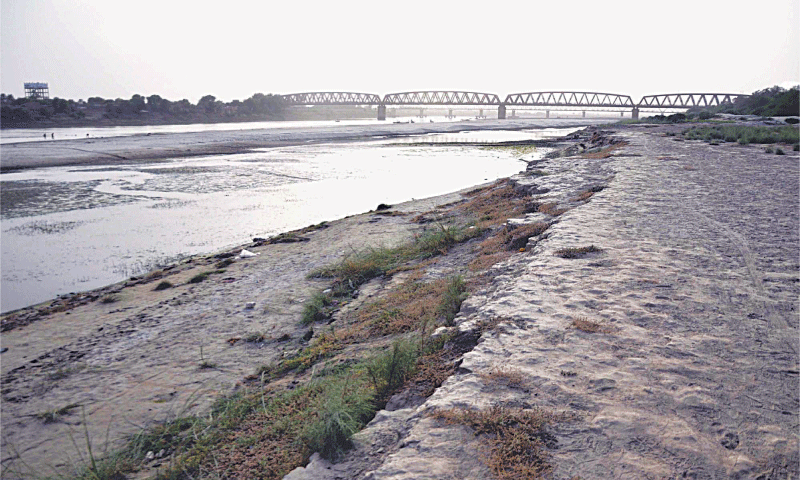
KARACHI: Once a thriving ecosystem sustaining communities, fisheries and agriculture, the Indus Delta is steadily drying, eroding and sinking as inadequate freshwater and sediment reach its lower reaches, leaving coastal areas of Thatta, Sujawal and Keti Bandar increasingly uninhabitable and forcing residents to abandon livelihoods built around the river and sea.
This was the main concern expressed by speakers during a book launch ceremony at the Arts Council of Pakistan on Tuesday, where the experts also warned that the degradation of the delta is not merely a crisis for Sindh’s coastal communities. The loss of mangroves, increasing seawater intrusion and erosion of the natural coastal system, they pointed out, can also make Karachi increasingly vulnerable to flooding, sea intrusion and other climate-related threats.
The book, The Disappearing Delta: Ecological Devastation and Imperilled Livelihood in the Indus Delta, is written by water expert Naseer Memon.
Speaking on the occasion, Mr Memon said much had already been written about the Indus Delta but he had written the book in English to make the issue accessible to younger generations and to encourage a wider understanding of the crisis.
The Disappearing Delta launched at Arts Council
He said the gradual decline of the delta has a long history. Referring to the development of irrigation infrastructure during the British period, he said the process that eventually led to the delta’s decline could be traced back to the construction of the Upper Bari Doab Canal in 1859. Subsequent interventions, especially the dams and canals, further altered the distribution and availability of water within the river system, he said.
Mr Memon criticised the persistent description of water flowing into the sea as “wastage”, saying the argument showed a lack of knowledge of the natural functioning of a river and delta. “Water for the Delta and for fishermen is waste? How inhumane,” he said, arguing that freshwater reaching the sea was essential for maintaining the delta’s ecological system. He said the delta’s water requirements should be recognised as a natural right.
The author also warned that the deterioration of the delta was already having serious social consequences in Thatta, Badin and Sujawal, where communities were experiencing “multidimensional poverty” as traditional sources of livelihood have become increasingly difficult to sustain.
The disappearance of mangrove forests is another indication of the scale of environmental degradation, he said. “And this whole degradation will ultimately affect Karachi,” Mr Memon warned, adding that the metropolis was becoming increasingly vulnerable and that the issue could no longer be regarded as one concerning only Thatta or Badin.
Journalist Shabina Faraz said the Indus Delta should not be viewed as a “Sindh issue”, arguing that the river was a national ecological system that connected different parts of the country. “The Indus is not about just Sindh. A healthy delta is essential to a prosperous Pakistan and people across the country need to understand its importance,” she said.
Environmentalist Afia Salam called for the importance of the Indus to be taught and discussed in schools and universities so that younger generations understood that the delta was a national asset rather than a problem belonging to one province.
Ehsan Laghari of the Indus River System Authority said the book had highlighted shortcomings as well as recommendations that could be considered by the federal and Sindh governments, stressing the need for collective action to improve conditions in the delta.
Writer Noorul Huda Shah said the crisis also reflected society’s weakening relationship with the land and the river. She said people often viewed land primarily in terms of its utility rather than developing a lasting connection with it. Unless people developed a deeper relationship with the Indus, she said, they would not fully understand the problems facing the river, the delta and the communities living along it.
Published in Dawn, September 2nd, 2026