‘Social protection must reach most vulnerable families’
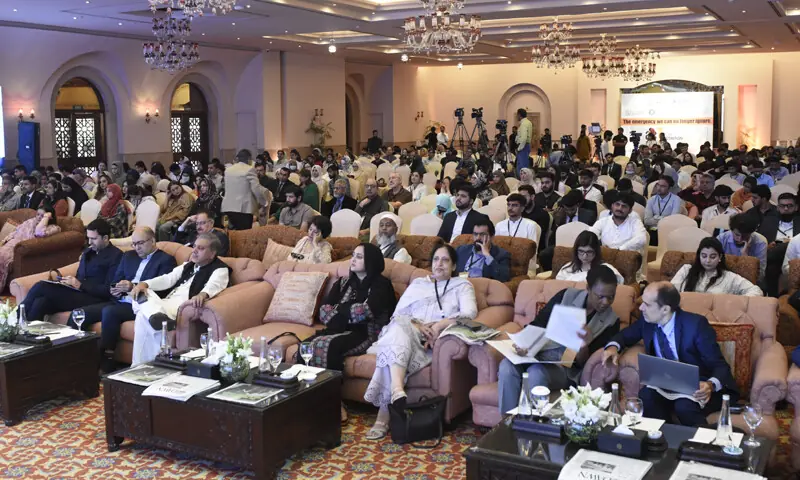

ISLAMABAD: While 2.6 billion people across the globe cannot afford a healthy life, social protection should reach the most vulnerable families, speakers at a moot said.
They were speaking at a conference titled “Act For Nutrition, A Conference on Malnutrition and Stunted Growth in Pakistan”, organised by Dawn Media Group in Islamabad.
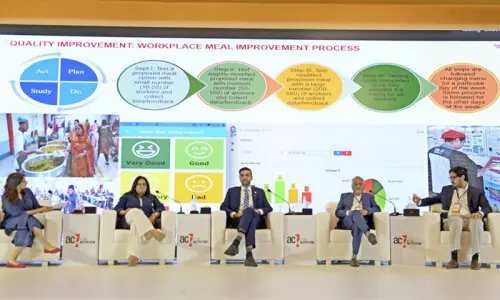
During the second session of the conference, titled “Global and Regional Current Realities”, speakers also said gender equality should be given greater focus and improving nutritional values should be among the priorities.
Nora Hobbs, Asia Pacific Regional Nutrition Advisor at the World Food Programme, said 83 per cent of malnourished children belonged to developing countries.
“Stunting is an issue of inequality and affordability of food is very much there in countries. 80pc of the developing countries and people are in Asia, in countries like India, Indonesia, Pakistan and Philippines. Benazir Nashonuma Programme has delivered in Pakistan,” she claimed, suggesting that regional knowledge should also be exchanged between governments.
Dr Aminah Jahangir, Regional Lead, Health and Nutrition Centre Asia, at the Aga Khan Foundation, said the foundation was serving in different areas and its success was due to a mechanism of accountability.
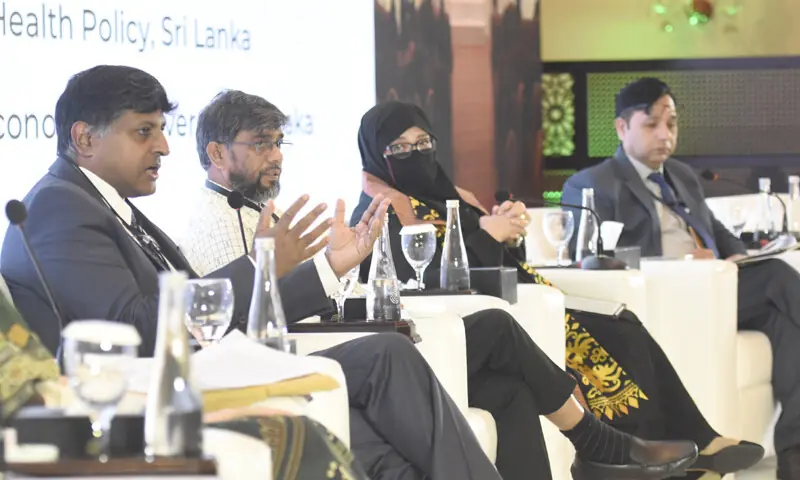
“A number of children come to us with issues like stunting and after a few months their deficiencies are removed. But after another few months they or their siblings come to us with the same issue. Things are becoming more difficult due to climate change,” she said.
Dr Srikanth Eadara of Scaling Up Nutrition said the cost of food was increasing. He said obesity was also increasing and there was a need to address it.
During a panel discussion, Dr Ravi Rannan-Eliya from Sri Lanka said that 100 years ago there were a number of health-related issues, but things improved with an increase in the literacy rate.
Dr Syed Abdul Hamid from Bangladesh said that since the existing setup had taken charge, things had started improving in the country.
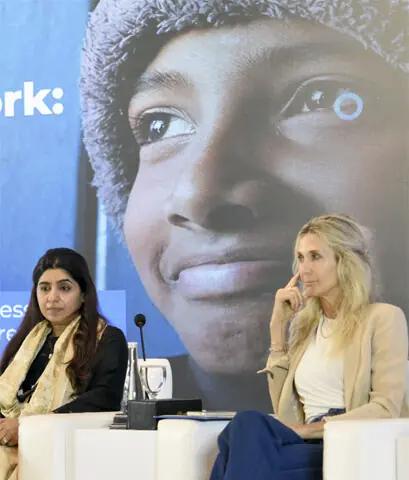
Widya Buenastuti from Indonesia said there were 17,000 islands in the country, so efforts were being made to provide health facilities at people’s doorsteps. Dr Irshad Danish, a nutrition expert from Pakistan, said primary healthcare workers were very important.
“Lady Health Workers (LHWs) were introduced in 1994 and they delivered much better as over 100,000 were recruited from the communities in which they had to serve. It was a good project but suffered due to devolution as the centre stopped funding and provinces imposed bans on new recruitments. Even the bags of LHWs, which were once full of medicines, started remaining empty,” he said.
Published in Dawn, September 3rd, 2026