THE draft New Energy Vehicle policy gets its destination right. Electrifying transport, cutting the oil import bill and building an export-oriented auto industry are worthwhile goals.
But the incentive structure chosen to achieve them rewards the wrong technology. The main flaw is treating plug-in hybrid and battery electric vehicles as interchangeable.
Both qualify for the same 1pc sales tax on CKD units and NEV inputs — as if a PHEV running mostly on petrol delivers the same environmental pay-off as a BEV. It does not. Pretending otherwise weakens the policy’s stated purpose.
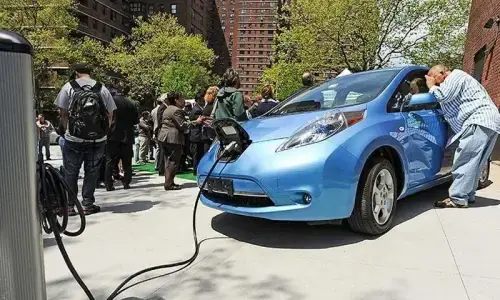
Weak charging infrastructure and real range anxiety discourage Pakistani consumers from buying BEVs. Subsidising PHEVs just as heavily hands them an easier option, which will show up as progress on paper while doing little to build the charging network or battery-vehicle demand the transition actually needs.
PHEV assemblers received generous concessions under the last auto policy but never delivered localisation or built charging infrastructure. Repeating that arrangement will invite the same outcome: subsidised assembly with no real technology transfer.
Taxing conventional hybrids at 25pc, up from 8.5pc, while cutting PHEV tax to 1pc, amounts to picking a winner through the tax code rather than market competition. That stalls transition towards genuine transport electrification while penalising Japanese manufacturers who built much of Pakistan’s auto parts ecosystem.
A more coherent policy would reserve the sharpest incentives for BEVs, and let others compete on their actual emissions and fuel-savings performance. Consumers, not tax brackets, should decide which of these technologies wins as charging infrastructure improves and prices come down.
The rest of the draft holds up. Export targets, tighter localisation rules and incentives tied to auto-parts exports could finally push manufacturers to build for international markets, instead of just assembling for domestic buyers.
But those incentives need to reward genuine export growth and local value addition, not simply subsidise the same low-localisation assembly model that has defined the industry for decades.
Published in Dawn, September 12th, 2026