Multi-party conference voices concern over Balochistan’s law and order
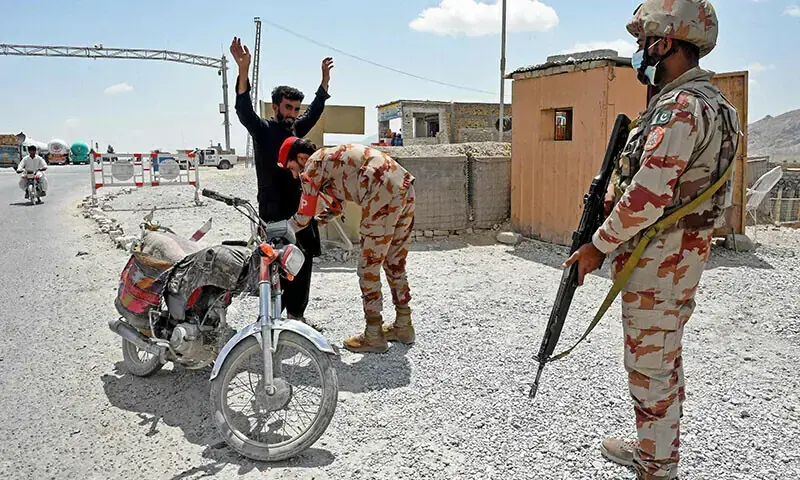

QUETTA: A multi-party conference (MPC), attended by leaders of various political parties in Balochistan, on Saturday discussed the prevailing situation in the province, with focus on the deteriorating law and order situation.
National Party President and former chief minister Dr Abdul Malik Baloch presided over the meeting.
The participants discussed the prevailing situation in detail and expressed serious concern over the deteriorating law and order situation, which, they observed, had worsened with the passage of time.
The meeting observed that despite the worsening situation, the authorities had failed to take serious and effective measures to address the growing constitutional, economic and security challenges facing the province.
Participants call for dialogue to address longstanding issues
The meeting was attended by Jamiat Ulema-i-Islam’s Balochistan chief Senator Maulana Abdul Wasey, Awami National Party’s Balochistan President Asghar Khan Achakzai, Pashtunkhwa National Awami Party’s provincial president Nasrullah Zairay, Balochistan National Party’s leader Musa Baloch, Hazara Democratic Party’s leader Abdul Khaliq Hazara, National Democratic Movement’s provincial president Ahmad Jan, and other leaders of various political parties.
The participants reviewed the deteriorating law and order situation in Balochistan, problems faced by the people, the controversial Mines and Minerals Bill, constitutional and public control over the province’s resources, political and democratic rights, economic challenges and other important provincial matters.
The meeting also discussed the possibility of developing a joint, consensus-based strategy through mutual consultation among political parties to address the prevailing uncertain situation and protect the collective interests of Balochistan.
The participants continued consultations on reaching consensus over a joint strategy through which political parties could effectively address the prevailing challenges in the province and safeguard the collective interests of the province.
While reviewing the overall situation, the participants said longstanding issues had remained unresolved despite the passage of considerable time and had contributed to the prevailing crisis.
They stressed that the use of force was not a solution to Balochistan’s problems and called for restoring the trust of the people in the state through political dialogue involving genuine leadership trusted by the people.
Published in Dawn, September 13th, 2026