Prime suspect in Rs8.5bn Yellow Line graft case gets bail
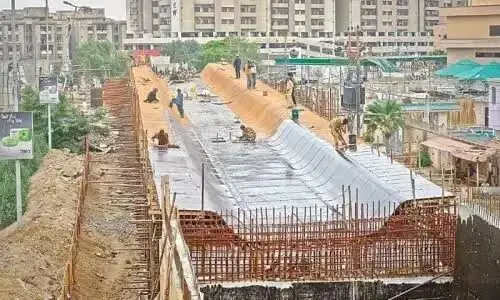

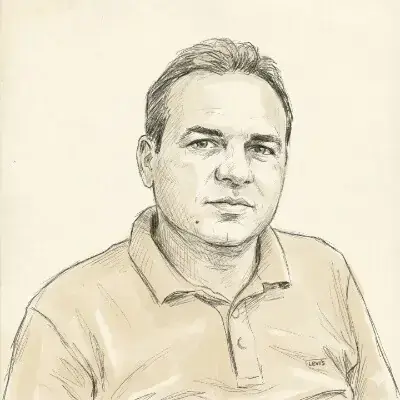
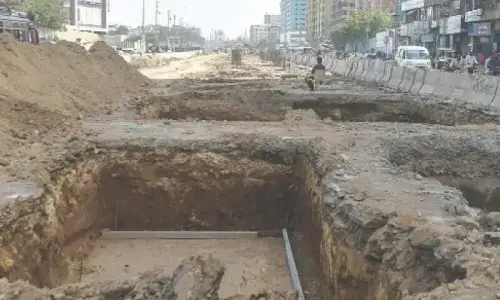
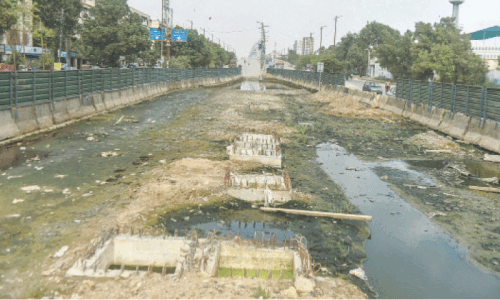
KARACHI: The Sindh High Court has granted post-arrest bail to the prime suspect in a case pertaining to alleged corruption of Rs8.5 billion in the Bus Rapid Transit (BRT) Yellow Line construction.
The SHC observed that the quantum of amount shown to have been involved in the case was very high, but the investigating agency had not done its work properly and left several lacunas in the case.
While admitting the bail of suspect Zameer Abbasi against a surety bond of Rs10 million, Justice Miran Muhammad Shah said that the investigating authority may approach the ministry of interior for placing the name of the applicant on the Exit Control List (ECL), if it so desires.
The Anti-Corruption Establishment, Sindh had booked then project director of the Karachi Mobility Project (KMP) Zameer Abbasi, then director of procurement Jhaman Das and others in June on the basis of an inquiry conducted by the Chief Minister’s Inspection, Enquiries and Implementation Team Department (CMIE&ITD) into alleged financial mismanagement in the KMP for the Yellow Line.
Abbasi, a grade-19 officer of the Sindh government, through his counsel moved the SHC after the trial court had dismissed his bail application.
SHC grants bail to Zameer Abbasi against a sum of Rs10m; expresses concern over ‘lacunas’ in probe despite huge amount involved
Applicant’s counsel Raj Ali Wahid submitted that his client has been framed on the basis of a fact-finding report which was administrative in nature and cannot by itself constitute substantive evidence or establish criminal liability.
He also submitted that the mandatory procedure prescribed under the Sindh Enquiries and Anti-Corruption Rules, 1993 had not been followed before the FIR registration.
Deputy prosecutor general Qamruddin Nohri opposed the bail and argued that the allegations against the applicant involved misuse of official authority, irregular financial transactions and substantial loss to public kitty.
He maintained that the applicant, being the project director, was directly involved in the decisions and transactions in question and CMIT report and other documentary material available on record connect him with the alleged irregularities.
The bench in its order noted that the relevant rules had not been properly adopted during conducting inquiry/investigation, registration of FIR and arrest of applicant in the present case, which was sufficient ground for grant of bail.
It also observed that all the allegations applied through the Pakistan Penal Code including dishonest misappropriation, cheating and forgery did not match with the contents of the charge sheet and FIR.
“Perhaps the only allegation against the present applicant/accused is that no bank guarantees, as per prosecution, were asked for at the time of making an additional payment, which was done so after obtaining approval from the competent authority. Such demand of additional funds was initiated by the contractor through the deputy director of the project, and the present applicant, being the project director, had simply passed on the matter to the competent authority for approval and the competent authority, after due verification, approved the same on the ground that the project was delayed due to paucity of funds,” it added.
The bench further said that such funds were only released after obtaining bank guarantees in form of different cheques provided by contractors to the applicant for obtaining additional funds for completion of the project.
It noted that the CMIT was not competent to initiate an investigation/enquiry in this case and the reasons behind authorising it to conduct probe were best known to the competent authority.
“In the above circumstances, I see that, regardless of the fact that the quantum of amount shown to have been involved in this case is very high, the investigation and the case pending before the investigating agency/authority show that it has not done its work properly and left several lacunas in the investigation of this case,” the order concluded.
Published in Dawn, September 17th, 2026