IAEA safeguards deal for Chashma-5 nuclear power plant secured
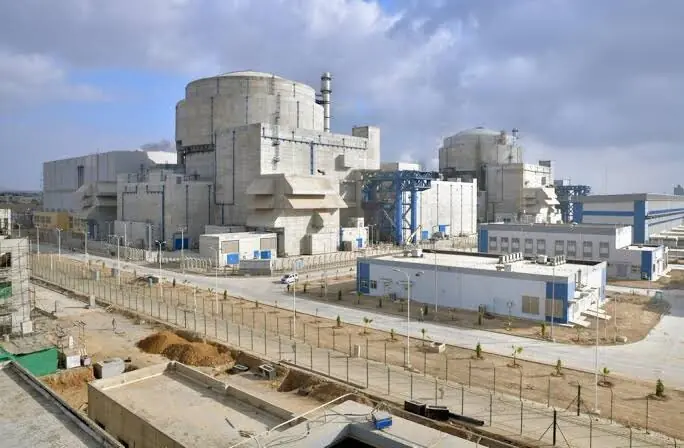

• 1,200MW reactor’s dome placed early; commissioning set for 2028
• Talks held with China on N-cooperation
ISLAMABAD: The International Atomic Energy Agency and Pakistan on Wednesday signed a safeguards agreement for the 1,200-megawatt Chashma-5 nuclear power plant to bolster the country’s energy security while ensuring international non-proliferation standards.
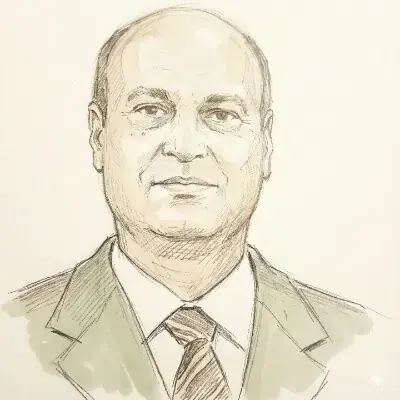
IAEA Director General Rafael Mariano Grossi and Pakistan Atomic Energy Commission Chairman Raja Ali Raza Anwar signed the pact at the agency’s headquarters in Vienna. The signing took place on the sidelines of the 70th IAEA General Conference.
Shan Zhongde, chairman of the China Atomic Energy Authority, witnessed the ceremony. The agreement, which governs the application of safeguards at Unit-5 of the Chashma plant, was unanimously approved by the IAEA Board of Governors in March.
According to a statement on the signing, the agreement marks a critical step toward implementing safeguards for the new facility.
Officials noted that it reflects the international community’s continued confidence in Pakistan’s commitment to the peaceful use of nuclear energy and its adherence to global non-proliferation obligations.
Construction of the Chashma-5 (C-5) facility is progressing rapidly, with early completion of the reactor’s dome placement among its recent milestones.
Scheduled for commissioning in 2028, the unit is expected to add a substantial source of low-carbon, low-cost electricity to Pakistan’s national grid to support climate objectives and sustainable economic growth.
Pakistan currently operates six nuclear power plants with a combined installed capacity of 3,530 megawatts. According to the Atomic Energy Commission, these plants have maintained an average capacity factor exceeding 90pc.
Officials highlighted that the country possesses more than 100 reactor-years of operational experience, maintaining a strong record of safe, secure and safeguarded operations under international standards.
Prior to the signing ceremony, Pakistani and Chinese delegations met to discuss ongoing and future cooperation in the peaceful applications of nuclear science and technology.
Anwar led the Pakistani delegation, while Zhongde headed the Chinese group. Mohammad Kamran Akhtar Malik, Pakistan’s ambassador to Austria and permanent representative to the IAEA, also participated in the bilateral discussions.
Published in Dawn, September 17th, 2026