KARACHI: Emphasising the need for eating regular balanced meals, controlling weight and getting physically active, health experts at a presser held on Tuesday said that recent local studies indicated that 50 per cent of women in Pakistan suffered from Polyendocrine Metabolic Ovarian Syndrome (PMOS) — a complex, hormonal condition closely linked to severe, long-term health risks, including type 2 diabetes, cardiovascular disease, high blood pressure and depression.
The briefing titled ‘PMOS: Beyond Periods and Pregnancy’ was organised by Aga Khan University Hospital (AKUH) in connection with PMOS Awareness Month.
Previously known as Polycystic Ovary Syndrome (PCOS), the condition was proposed to be renamed Polyendocrine Metabolic Ovarian Syndrome (PMOS) this year following a consensus led by global reproductive and endocrine experts.
“For too long, PMOS has been seen only as a fertility problem, and that narrow view has done women a disservice. The condition, as the new name suggests, touches almost every part of a woman’s health, from her hormones, weight, skin and menstrual cycle to her heart and her emotional wellbeing”, said Dr Asma Ahmed, consultant endocrinologist at AKUH, stressing that early diagnosis and treatment could make a huge difference in outcomes.
AKUH specialists call for early diagnosis, personalised treatment; caution against viewing PMOS only as a fertility problem
Sharing her clinical observations, she said half of the patients presented at her clinic with PMOS.
“We believe that its prevalence in our country could be much higher [than 50pc]. We are genetically more predisposed to [the condition], and our metabolic profile is also more disturbed as compared to people of other regions,” she reasoned.
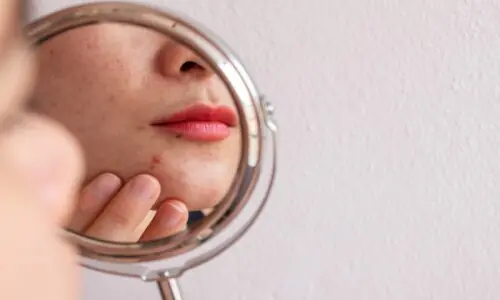
According to her, common PMOS symptoms may include irregular or missed periods, acne, excessive facial or body hair, thinning scalp hair, weight changes and difficulty conceiving.
“However, irregular periods do not always mean PMOS, and PMOS cannot be diagnosed from an ultrasound alone. Additionally, PMOS not only affects overweight women — in South Asia, even lean/thin women can develop PMOS,” said Dr Sumaira Naz, consultant obstetrics and gynaecologist at AKUH.
Infertility could be successfully treated in women with PMOS, she said, recalling that a patient had now had six children.
The specialists emphasised the importance of a thorough medical assessment, combining a detailed history, clinical examination and appropriate tests, to help ensure an accurate diagnosis rather than relying solely on information found online.
They were clear that PMOS was a chronic condition, requiring lifelong management and that there was no one-size-fits-all treatment. Care depends on each woman’s symptoms and goals and works best when it is personalised and followed up over time.
Equally important, the panel said, was the impact of PMOS on mental health. Acne, unwanted hair growth, weight changes and worries about fertility could take a heavy toll on confidence and mental health, and that toll deserves to be treated as part of care rather than an afterthought.
The experts agreed that without making lifestyle changes, PMOS couldn’t be addressed with medication alone.
“It’s crucial to stop eating junk and processed food, have a complex carb and high-protein diet, along with vegetables, healthy fats [for instance, seeds and nuts], get physically active and reduce weight,” Dr Ahmed said.
Published in Dawn, September 23rd, 2026