New, used car imports surge 36pc in July-Aug

• Gift scheme accounts for bulk of used car imports
• New entrants expand imports of electrified vehicles ahead of local assembly
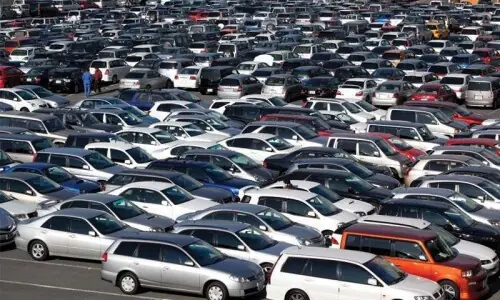
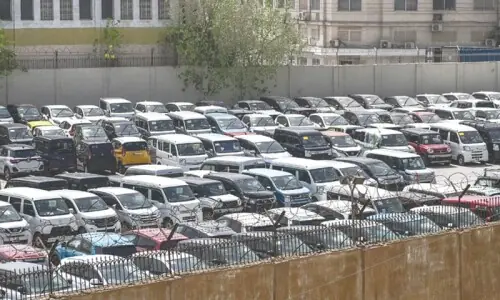
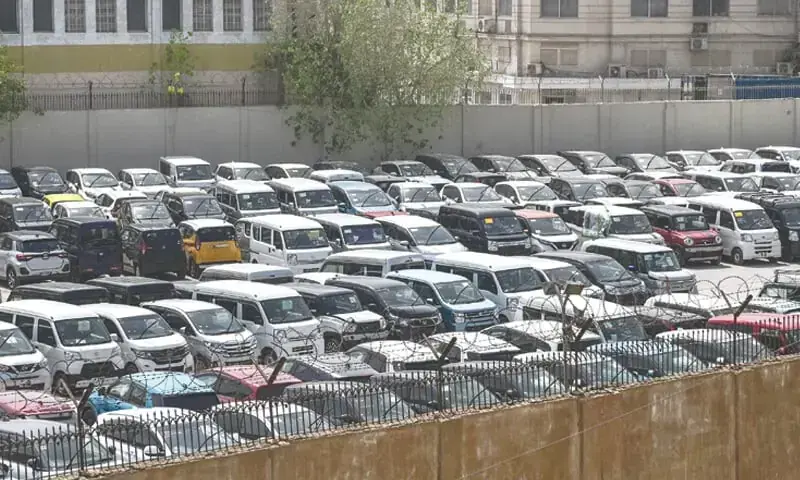
KARACHI: Imports of new and used cars have shown a rising trend as new entrants seek to introduce models ahead of local assembly, while auto vendors remain concerned over the continued arrival of used vehicles despite the abolition of the baggage scheme in January this year.
According to data from the Pakistan Bureau of Statistics (PBS), imports of motor cars, both new and used, surged by 36 per cent to $81.4 million in July-August 2026 from $59m in the same period a year ago.
In January, the government abolished the baggage scheme for used car imports and introduced mandatory pre-shipment inspections for vehicles imported under the gift and transfer-of-residence schemes.
Indus Motor Company (IMC), in its FY26 annual report, said the ban on used car imports under the baggage scheme had started showing results, with imports of used vehicles falling to around 38,000 units in FY26 from 42,000 units in FY25.
However, former Pakistan Association of Automotive Parts and Accessories Manufacturers (Paapam) chairman Aamir Allawala told Dawn that vendors believed used-car dealers were still managing imports, which he said was evident from official data showing fluctuations under various schemes.
Sharing the data, he said 48 used vehicles arrived in May, including seven under the gift scheme, 39 under the baggage scheme and two under the transfer-of-residence scheme.
In June, the number rose to 843 vehicles, of which 806 were imported under the gift scheme, 35 under the baggage scheme and two under the transfer-of-residence scheme.
Imports under the gift, baggage and transfer-of-residence schemes rose to 1,876, 53 and nine units, respectively, in July, taking the total to 1,938 vehicles.
However, total used car imports declined to 1,445 units in August, including 1,406 under the gift scheme, 38 under the baggage scheme and one under the transfer-of-residence scheme, he said.
Mr Allawala said imports of new energy vehicles by leading Chinese companies ranged between 1,500 and 2,000 units per month, while used car imports totalled around 3,200 units in July and August combined.
He said several locally assembled vehicles had more than 50pc localised content by value, averaging around Rs1.5m per vehicle.
Consequently, imports of completely built-up (CBU) units, whether new or used, directly reduced demand for locally produced parts and affected employment in the vendor industry, he said.
Mr Allawala also stressed the importance of job creation and preservation of Pakistan’s industrial base, saying that employment should remain a government priority.
With 65pc of the population under the age of 35 and 30pc living below the poverty line, providing employment must be the government’s top priority, he said.
An assembler, who asked not to be named, said new entrants were being encouraged to import new energy vehicles as part of efforts to reduce the country’s oil import bill.
Published in Dawn, September 24th, 2026