What a shame

SOME emotions have become too complex. Maybe, they always were. Take shame, for instance: feeling shame for something personal you can’t control, like physical ability or appearance, is usually discouraged. However, the absence of shame over a character flaw or harmful action is frowned upon, and rightly so. Victim shaming also takes the form of stigmatisation, but that is a topic for another day. For now, I am fascinated by a recent New Yorker headline about the lack of shame and how it affects democracy. At first, it seemed like a stretch, but come to think of it, politics is a behavioural science.
At home, a social media meme keeps resurfacing, even as the man who gave it new currency keeps being discredited: “koi sharm hoti hai, koi haya hoti hai” (“there’s something called shame and decency”).
The lack of both in not just the political class but also in many quarters that wield power and their camp followers is not only harming democracy, it is also undermining the concept of accountability, which has to be at the core of all human endeavours and systems, especially those that pretend to be representative.
A social contract, whether formalised in a constitution or codified in tradition, will be stymied if it relies solely on formal legal checks and balances, because a bit of ‘shame and decency’ will not only curb harmful actions, it will also save millions in litigation and prevent millions from losing trust in the system. Official vehicles and residences for state functionaries have long been the subject of civil service reform studies and will continue to be, as extensions and consultancies are provided to retired officials so that they can retain vehicles and refuse to vacate residences they have proposed monetising. The discussion has been elevated to include planes for public office holders.
The absence of shame is hurting the world.
Both the optics and economics of maintaining and operating aircraft at state expense for public officials in debt-burdened countries are problematic. One argument calls for a fuller account of the impact of the time saved. The security angle is even more irksome, as those endangering security are, or have been, state-sponsored at some point.
The air around the topic grows more turbulent when these aircraft are (mis)used for private travel. The respective courtiers’ justifications keep absurdity levels high. In the recent case involving Punjab chief executive Maryam Nawaz, she was first heard telling critics off, asserting that no activity by a chief minister is purely personal, thus implying that important provincial business was conducted alongside her daughter’s graduation ceremony in London. Then her spokespersons announced that she had paid for the trip out of her own pocket. How about the aircraft’s depreciation, since these aircraft come with flight-hour limits?
The most vocal critics of the chief minister’s flight of fancy are from the PTI — the same people who went blue in the face explaining that Imran Khan’s helicopter jaunts between Prime Minister House and Banigala were cheaper than a taxi ride. But expecting shame and decency from someone who thinks women should be discouraged from riding bikes because he believes they are “horrible drivers” is like asking a jellyfish to show spine. People who gifted back hundreds of millions of repatriated pounds in a UK money-laundering case to a criminal have the temerity to ask “koi sharm hoti hai…”
‘Honour’ is another word that needs careful handling. In the hands of ruffians, when it is confined to the female body, it becomes a tool for ‘honour’ killings. When practised by societies that encourage decency, a sense of honour calls on people in positions of power and responsibility to beg forgiveness and/ or resign from office. In certain cultures, officials who lose face take the extreme step.
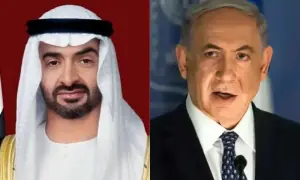
The world is regressing. One hopes it’s a phase that will pass. At the UN, we have heard of antics such as tearing up speeches, aiming shoes at the rostrum, and marathon addresses. But for the chiefs of the ‘shameless brigade’ to threaten the annihilation of a 91-million-strong ‘Islamic Republic’ and to gloat over a prototype gadget used in targeted killings reflects not only on these individuals but also on the systems that elevate them to positions of power and on their beneficiaries. The absence of shame is hurting the world, indeed.
Meanwhile, back home, tax evaders, money launderers, rent-seekers, and shady characters continue their pilgrimages. The poet had lamented: “Kaaba kis munh say jao gey Ghalib/ sharm tum ko magar nahin aati” (“What face will you show in Kaaba/ but you’re shameless”). Those feeling left out should find solace in a translated Sindhi proverb: “kings are those unburdened by shame.”
The writer is a poet. His latest publication is a collection of satire essays titled Rindana.
Published in Dawn, September 29th, 2026