Electricity users face Rs25bn extra fuel cost
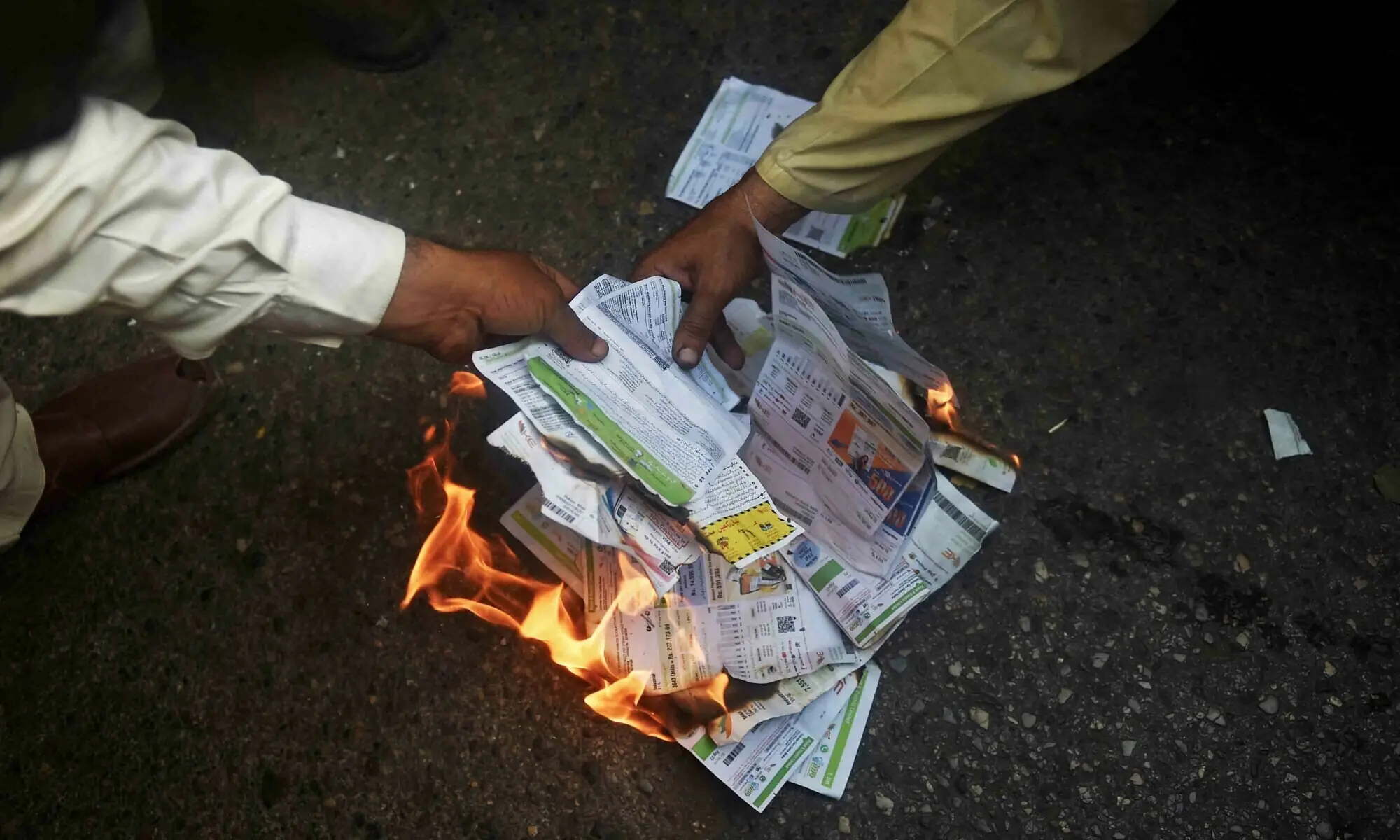

ISLAMABAD: As the government sought to charge consumers an additional Rs25 billion for fuel costs in the October bills, the National Electric Power Regulatory Authority (Nepra) on Tuesday decided to review the incremental tariff package for industry introduced in December last year.
At a public hearing conducted by Nepra members Maqsood Anwar Khan, Amina Ahmed and Ghulamullah Shaikh, the chief executive officer of Central Power Purchasing Agency (CPPA) Rehan Akhtar said the major reason for Rs1.73 per unit additional fuel cost in August was the expensive RLNG and coal imports and lower-than-estimated availability of cheaper hydropower and nuclear facilities.
He said hydropower was originally targeted at about 41pc of total power generation, but it was slightly below at 38pc, while the nuclear power share was estimated at 16.4pc, which turned out to be 10pc due to Karachi nuclear’s outage. As a result, the share of imported coal-based generation increased to 15.6pc instead of the originally planned 7.4pc.
Hydropower has no fuel cost, whereas average nuclear fuel cost rose to Rs3.15 per unit due to lower utilisation, up from Rs2.5 per unit. By contrast, imported coal-based generation cost Rs17 per unit. Local coal-based generation cost was reported at Rs5.5 per unit.
Nepra calls hearing on Oct 5 to review industrial incremental tariff package
He reported that the government had actually provided a negative adjustment of over Rs10bn due to a special reduced rate of Rs2000 per million British thermal unit (mmBtu) of RLNG in July and August, instead of Rs6000 per mmBtu or so. Otherwise, the additional fuel cost would have been around Rs35bn, with a per-unit additional cost estimated at about Rs2.53. Yet the RLNG-based generation cost was reported at Rs45.93 per unit, even higher than Rs45.25 per unit for furnace oil-based power generation, which also includes Rs73,000 per tonne of petroleum levy.
Power Division’s Naveed Qaiser reported that additional fuel costs would have been higher but were contained through about one and a half hours of average daily load management during August.
The industrial representatives, mostly from Karachi, reiterated their consistent stance that the industrial support package on incremental consumption was flawed because it did not benefit most industries and unnecessarily burdened all consumers.
They also demanded that the International Monetary Fund (IMF) should be persuaded to suspend or reduce the petroleum levy on furnace oil as a special case in view of the war in the region and its cost impacts on imported fuels.
Rehan Akhtar said there were certain limitations to policy changes with the IMF but said the government was already taking up the matter at the appropriate forum.
Nepra member Amina Ahmed announced that a public hearing had been called on Oct 5 to review the incremental consumption package.
The incremental package, envisaging Rs22.96 per unit at a special rate for select industries, was promised to be reviewed after six months of its introduction in December 2025 but remained unchanged for the 9th month.
They said Nepra had directed the Power Division to conduct an incremental tariff review within six months after consulting the industry, but the stakeholders had not been consulted so far.
They said power costs for industry had gone up by 10pc due to tariff rebasing, while industrial production had already been sold out, leaving no way to recover the additional fiscal impact.
Once approved, power companies would charge an additional Rs25bn to consumers across all power companies, including ex-Wapda Distribution Companies (Discos) and K-Electric.
Published in Dawn, September 30th, 2026