IHC asks govt to settle Afghan students’ stay issue in 30 days
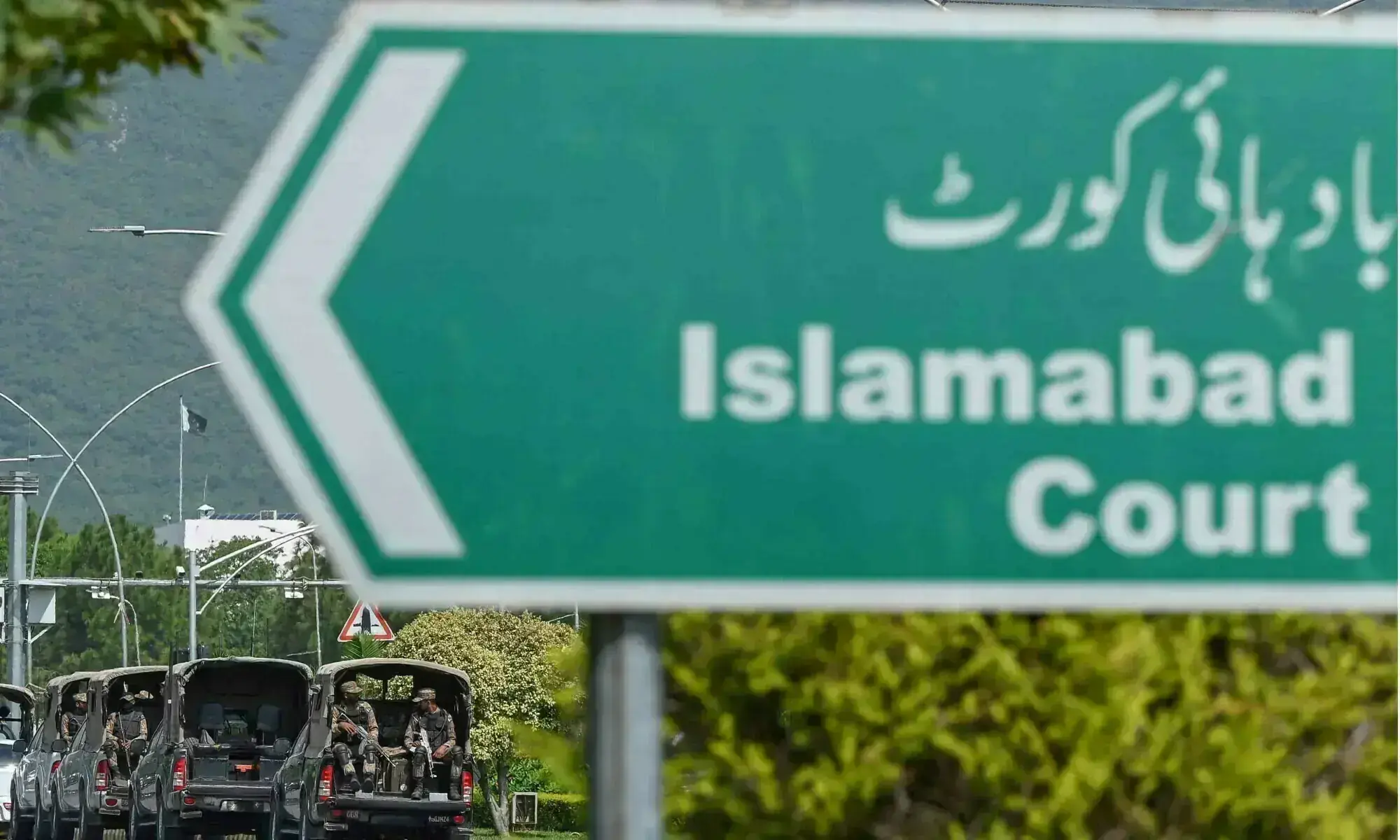

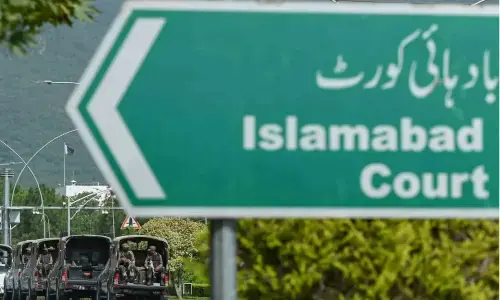
ISLAMABAD: The Islamabad High Court (IHC) on Wednesday disposed of a writ petition filed by 87 Afghan national students seeking extension of their study visas, converting the case into a representation to be decided by the Ministry of Interior within 30 days regarding their stay in Pakistan.
The order was passed by Justice Khadim Hussain Soomro on the petition of Ms Atta Reda and others vs the Federation of Pakistan and others.
The petitioners, 87 Afghan nationals currently pursuing undergraduate and postgraduate degrees in recognised Pakistani educational institutions, had filed the writ petition under Article 199 of the Constitution.
They sought directions for the government of Pakistan to decide their pending study-visa extension applications and restrain authorities from harassing, arresting or deporting them due to the expiry of their previous visas while their applications remained in administrative limbo.
Converts plea regarding 87 student visas into representation, places it before interior ministry
The students’ counsel argued that their prolonged visa pendency had caused severe academic disruption, blocked access to banking facilities, and created hostel-related complications.
They also cited a formal diplomatic communication from the Afghanistan embassy, which urged Pakistani authorities to expedite the processing of these applications.
Earlier on Sept 15, the court had questioned the petition maintainability, noting that the petitioners are Afghan nationals and, therefore, may not be able to invoke the writ jurisdiction of the court.
In response, the counsel for the petitioners submitted that the petitioners would be satisfied if the case was converted into a representation and forwarded to the interior ministry for a decision within a specified period.
Conversely, Assistant Advocate General (AAG) Sarfraz Rauf opposed the petition, arguing that Pakistan is “at war with Afghanistan” and that the matter is purely a policy issue of the government of Pakistan, which cannot be adjudicated upon under the writ jurisdiction of the court.
Weighing the arguments, the court refrained from invoking its writ jurisdiction and directed the office to transmit the case, along with all annexures, to the ministry of interior, which shall decide the matter within 30 days. The case was subsequently “disposed of in above terms”.
Published in Dawn, October 1st, 2026