The list of shocking and grotesque acts of violence by militants in Pakistan is a desperately long one, but few acts stand out like the Safoora Goth carnage last May.
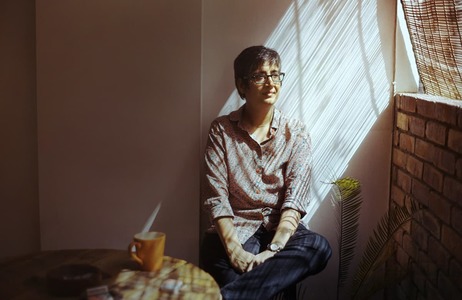
Similarly, among the many attempts to silence civil society and those working for a progressive, tolerant Pakistan, the murder of Sabeen Mahmud was a particularly disturbing act.
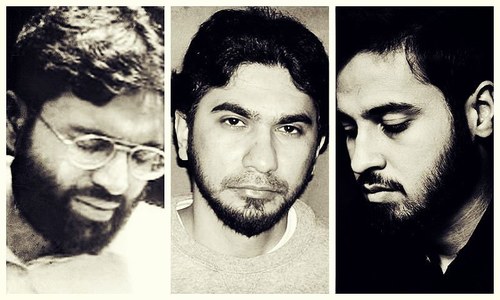
The Safoora Goth bus attack, which came less than a month after Sabeen Mahmud’s assassination, triggered an intensive investigation that led to the arrest of Saad Aziz, a graduate of a well-known business university, and several of his cohorts, who were subsequently identified as assailants, facilitators and financiers.
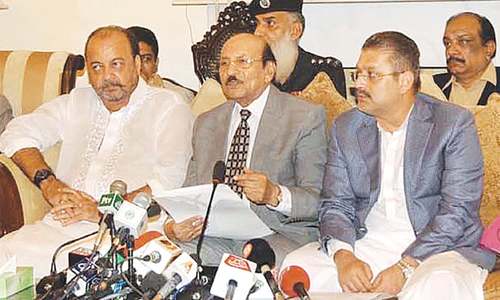
The country was then informed that the investigation had been personally overseen by everyone from the prime minister to the army chief and from the Sindh chief minister to the heads of intelligence agencies.
The evidence collected was incontrovertible and voluminous. So why have Saad Aziz and his cohorts now been handed over to the military courts?
The foundational — unacceptable — logic of the military courts was that the civilian judicial processes were inadequate and therefore a new system had to be created to ensure the successful prosecution of the highest-profile and most violent militants and terrorists.
If the allegations against Saad Aziz and his counterparts are true, they certainly fit the description of so-called jet-black terrorists. But why the recourse to a closed system where a lower standard of proof is needed when a historic investigation allegedly produced immediate and irrefutable evidence against Saad Aziz and his co-accused?
Examine: Prosecutors in Safoora carnage case decide to quit for lack of security
A year since they were created, 36 individuals have been handed death sentences and four life sentences, but there is virtually nothing known about the evidence that was presented against them in the courts.
The Supreme Court is slowly sifting through some of the appeals, but the nature of the convictions means the general public is unlikely to ever see the bulk of the evidence.
Saad Aziz, though, ought to be an exception. The investigation was very publicly and visibly led by the Sindh police, and civilian law-enforcement agencies played a significant role. Are military courts now meant to shield evidence gathered by civilians from the public?
Moreover, the alleged radicalisation of Saad Aziz and the linkages to the militant Islamic State group is a frightening new development in the militancy landscape. While young men of similar backgrounds to his have embraced militancy in the past, they mostly took well-worn paths.
The Safoora Goth suspects appear to be sui generis — a new breed of self-radicalised individuals who are embedded in mainstream society.
As the state battles the militants of yesterday and today, is a new generation being recruited, or self-recruiting, unknown to state or society? Surely, the public deserves to know more about the new evil that may be existing in their midst.
A public, civilian trial of Saad Aziz and his seven co-accused would have gone some way to informing the public of the new dangers.
Published in Dawn, January 23rd, 2016