The United States is “seeking excuses” to tear up the nuclear deal with Iran by demanding military site inspections, one of the Islamic republic's top security officials said on Friday.
“Iran has no undisclosed nuclear activity in any geographical location in the country,” the secretary of the Supreme National Security Council, Ali Shamkhani, said on Iranian state television.
“The issues being raised are media hype by the Americans so that they can refrain from fulfilling their obligations,” he said.
Washington has reportedly demanded inspections of Iranian military sites as part of verifying compliance with the 2015 nuclear deal, which restricted Iran's atomic programme in exchange for an easing of sanctions.
The United Nations has stated there is no obligation to carry out military site inspections unless there are suspicions of illicit activity. It says it has doubled inspections in Iran since the deal and has no evidence that nuclear material has been shifted to military or other sites.
Shamkhani accused the administration of President Donald Trump of “unconstructive and excuse-seeking behaviour... which is an active attempt to damage this international agreement”.
“Iran has merely acted within the framework of agreements and specific guidelines under the JCPOA (nuclear deal) and shall not accept any obligation beyond that,” he said. He echoed Iranian Foreign Minister Mohammad Javad Zarif, who tweeted on Thursday that the idea of reworking the nuclear deal was “pure fantasy”.
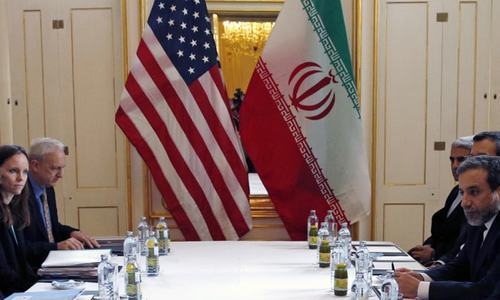
“The JCPOA is not (re)negotiable. A 'better' deal is pure fantasy. About time for the US to stop spinning and begin complying, just like Iran,” Zarif wrote. Zarif is due to meet US Secretary of State Rex Tillerson and the foreign ministers of other signatories of the nuclear deal on the sidelines of the UN General Assembly next Wednesday.
US President Donald Trump must recertify Iran's compliance with the deal every 90 days and the next deadline falls on October 15.
On Thursday, he agreed to continue to exempt Iran from nuclear-related sanctions for now. But he slapped new measures against targets accused of cyber attacks or fomenting militancy, and a senior administration official said the extension of sanctions relief was merely a “holding action”.
Hardliners in Washington have been pushing him to pull out of the agreement, saying it has failed to rein in Iran's “destabilising” behaviour in the region.
Supporters of the deal point out that it never promised anything beyond restrictions on Iran's nuclear programme, and that reneging would severely undermine Washington's reputation and make it harder to forge similar agreements with countries such as North Korea.