Move to withdraw Rs700bn tax exemptions, says official
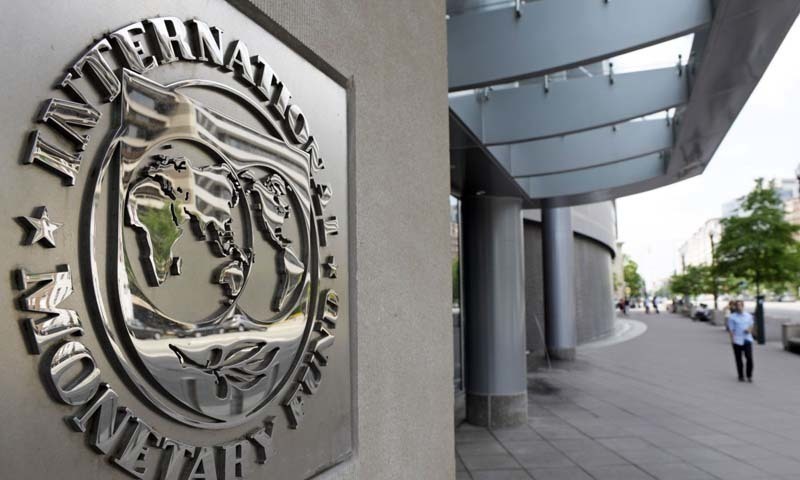

ISLAMABAD: With Pakistan and the International Monetary Fund (IMF) scheduled to conclude a staff-level agreement on Friday, the two sides agreed on Wednesday that the country would withdraw tax exemptions amounting to Rs700 billion within two years.
Read: Technical level talks with IMF begin
During their discussions on Wednesday, the two sides worked out a financing gap of around $11 billion for the next fiscal year, 2019-20.
Under the understanding, the government will start withdrawing exemptions offered in various taxes amounting to around Rs350bn in the budget for 2019-20.
The two sides also agreed that Pakistan would increase costs of electricity and gas for the consumers in the next budget.
It has been agreed that the power sector regulator, the National Electric Power Regulatory Authority (Nepra), would be made autonomous and the government interference to take popular decisions would be minimised.
Electricity, gas tariffs will be increased, IMF assured
An official of the finance ministry confirmed that the financing gap for the next fiscal year had been projected at $10-$11bn.
The official said the demand of the IMF for an increase in policy rate by 100-200 basis points was also agreed upon.
The policy rate is the interest rate announced by the State Bank and is seen as a monetary policy instrument to regulate the availability, cost and use of money and credit.
Various measures aimed to build up foreign exchange reserves too have been agreed upon.
The ministry official added that the IMF team pitched the GDP growth and current account deficit (CAD) on the lower side during the negotiations; however a middle path was agreed upon.
The IMF was earlier stressing that CAD should be in the range of $4-$6bn, said the official. However, it was agreed that the deficit would be $8bn for the next fiscal year under the IMF programme.
The IMF team asked the government to take additional tax measures in the upcoming budget to make massive fiscal adjustments for moving towards surplus primary balance. The budget-making process would start only after the staff-level agreement is finalised.
Read: IMF negotiations
In the talks, the Pakistani team was led by finance secretary, who dealt with policy matters. Two senior officials of the Federal Board of Revenue dealt with taxation measures.
A major challenge for the government is how to curtail budget deficit which is possible only through curtailing expenditures and enhancing revenues, but the country has a limited space vis-a-vis reducing expenditures.
“The IMF opposes reducing development budget; therefore it too cannot be curtailed beyond a certain point. Hence the only option was to increase revenues,” the official added.
The budget deficit in the last fiscal year (2017-18) was 6.6 per cent of the GDP and experts have predicted that it would be more than 7 per cent in the current fiscal (2018-19). Former finance minister Dr Hafeez Pasha recently said that budget deficit by June 30 would be around 7.6 per cent of the GDP.
The IMF team is expected to meet Adviser to the PM on Finance Dr Hafeez Shaikh on Thursday (today). If a notification about Shabbar Zaidi’s appointment as FBR chairman is made, he too will attend the meeting.
Published in Dawn, May 9th, 2019