Processing mills on strike against 17pc sales tax


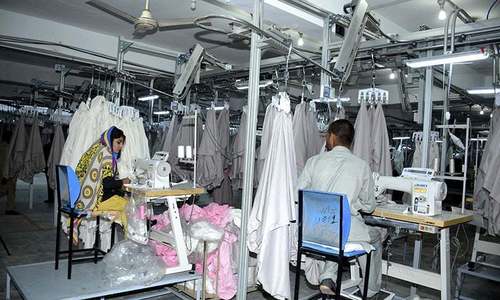
LAHORE/FAISALABAD: All 600 textile processing units in four major cities of the country have been closed in protest against the imposition of a 17 per cent sales tax on five zero-rated sectors and the government’s failure to get the trade sector registered with the tax net.
Though the processing units’ owners are yet to lay off hundreds of thousands of workers, they say they may take this decision within the next 10 days if the government continues ignoring their genuine demands.
“We finally closed our all member textile processing units situated in Faisalabad, Karachi, Lahore and Gujranwala. Our 600 member mills include 240 in Faisalabad and around 225 in Karachi,” All Pakistan Textile Processing Mills Association Chairman Habib Gujjar told Dawn.
Since the APTMA has closed all its member units across the country, the All Pakistan Textile Sizing Association too announced it will shut 100 member mills in Faisalabad, Jhang, Toba Tek Singh and Hafizabad from Thursday.
“We have also decided to join hands with the APTMA since we are facing the similar issues. Our main issue is the trade that is still unregistered. So the government must first get the entire chain completed by bringing them into the tax net. The trade sector is not ready to buy from us on the condition of CNIC provision,” APTSA’s patron Shakeel Ansari said. “Everything is going down fast. But the government is not bothered. It is strange to know that what this government wants to do with us,” he deplored.
Qureshi says will raise issue in cabinet today, suggests budget review
The APTMA chairman said the members of the industry just wanted the government to take all of them on board while taking important decisions. “We are with the government. But it is heading towards creating anarchy in the industry. Why it is doing [this], it is really astonishing,” Mr Gujjar wondered.
Meanwhile, while speaking to journalists in Faisalabad, APTSA chief Mr Ansari said the government had imposed 17 per cent sales tax on the five zero-rated sectors by withdrawing the SRO 1125.
“The fluctuating rate of the US dollar is badly hitting the industrial sector as they were importing the textile chemicals and parts. The government had also attached the prices of gas and electricity with dollar, he added.
The association office-bearers were of the view that the current budget gave an impression that the government was going to kill the industrial sector and convert Pakistan into a trading country. “We are unable to run the industrial sector in the current circumstances. The sizing sector would ultimately die finding the power looms sector closed.”
They added that the situation would ultimately render thousands of workers jobless, leading to a rise in street crimes. They demanded that the government restore the SRO 1125.
On the other hand, counsel for the Looms Owner Association, Waheed Khaliq, said that they had suggested to the government to fix the sales tax for every sector but the government made its decision without taking the power looms sector into confidence. He said they were paying sales tax on the purchase of yarn, but the buyers were not registered with the FBR. “We have received notices along with electricity bills to get registered with the income tax department,” he said, lamenting that they were being pushed against the wall.
Mr Khaliq was of the view that the small power looms sector and sizing industry must be declared free from the audit for five years and previous limit of Rs50 million for turnover should be restored.
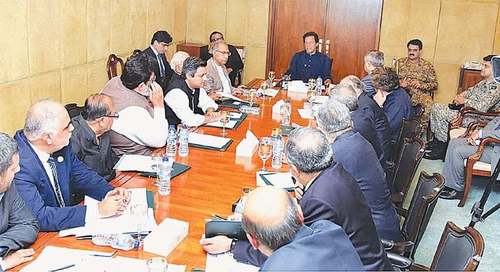
Meanwhile in Multan, Foreign Minister Shah Mehmood Qureshi said that he would take up the issue of imposed taxes on small traders in the cabinet on Tuesday (today).
Addressing the All Pakistan Traders Convention organised by Tajiran-i-Pakistan, the foreign minister said that the government did not want the traders to close their shops and sell their houses.
“We are aware of the prevailing condition of traders and know that they are not happy and one thing is also important that the economy could not be strengthened without traders. In my opinion, a panel of economists be devised to review the budget while keeping in view the traders’ concerns and in this regard the traders should also adopt the way of negotiations,” he said.
Published in Dawn, July 2nd, 2019