Taliban council agrees to ceasefire in Afghanistan


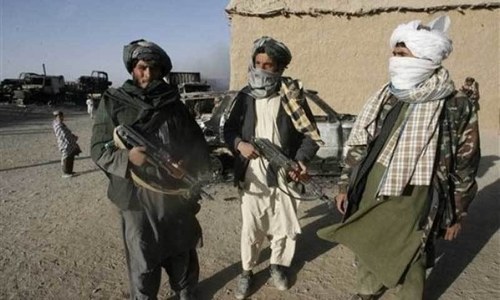
KABUL: The Taliban said on Sunday they have agreed to a temporary ceasefire nationwide. It provides a window during which a peace agreement with the United States could be signed.
A peace deal would allow Washington to bring home its troops from Afghanistan and end its 18-year military engagement there, America’s longest. The US wants any deal to include a promise from the Taliban that Afghanistan would not be used as a base by terrorist groups.
The US currently has an estimated 12,000 troops in Afghanistan. The Taliban chief must approve the agreement but that is expected.
The duration of the ceasefire was not specified but it is being suggested it would last for 10 days.
Four members of the Taliban negotiating team met for a week with the ruling council before they agreed on the brief ceasefire. The negotiating team returned on Sunday to Qatar where they maintain their political office.
A key pillar of the agreement, which the US and Taliban have been hammering out for more than a year, is direct negotiations between Afghans on both sides of the conflict.
Those intra-Afghan negotiations are expected to be held within two weeks of the signing of a US-Taliban peace deal. They will likely decide what a post-war Afghanistan will look like, and what role the Taliban will play. The negotiations would cover a wide range of subjects, such as the rights of women, free speech and the fate of the tens of thousands of Taliban fighters, as well as the heavily armed militias belonging to Afghanistan’s warlords who have amassed wealth and power since the Taliban’s ouster.
The temporary ceasefire had been proposed by US envoy Zalmay Khalilzad during the last round of talks.
Taliban attack kills 17 militia
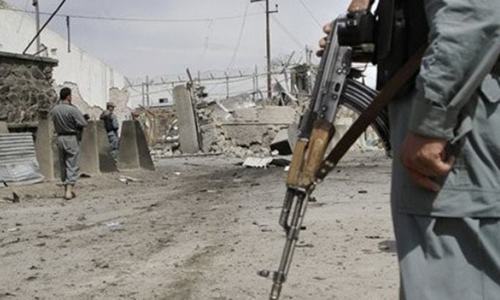
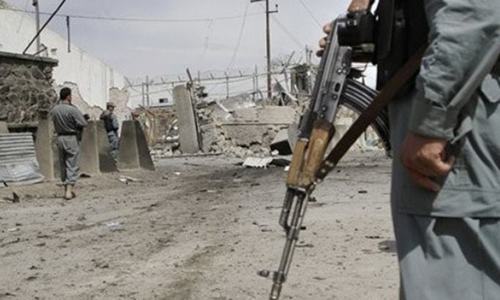
A Taliban attack in northern Afghanistan killed at least 17 local militiamen, an Afghan official said on Sunday.
The attack apparently targeted a local militia commander who escaped unharmed, said Jawad Hajri, a spokesman for the governor of Takhar province, where the attack took place late on Saturday.
Local Afghan militias commonly operate in remote areas, and are under the command of either the defence or interior ministries.
Taliban spokesman Zabihullah Mujahid claimed responsibility for the attack.
The attack came even as Taliban officials said that a temporary nationwide ceasefire may be in the works.
The Taliban have previously refused all offers of a ceasefire by the Afghan government, except for a three-day truce in June 2018 over the Eidul Fitr holiday.
The current ceasefire proposal would last a week to 10 days. During that time, a peace deal with the United States would then be signed, the Taliban officials said. Talks between Afghans on both sides of the conflict would follow to decide on the shape of a post-war Afghanistan.
The Taliban shura, or ruling council, is currently debating whether to accept the US ceasefire proposal, the Taliban officials said.
On Monday, an American soldier was killed in combat in the northern Kunduz province. The Taliban claimed they were behind a fatal roadside bombing that targeted American and Afghan forces in Kunduz.
The following day, a Taliban attack on a checkpoint killed at least seven Afghan army soldiers in the northern Balkh province.
Another six Afghan troops were killed in the same province on Thursday in an attack on an army base. At least 10 Afghan soldiers were killed on Friday in a complex attack on a checkpoint in the southern Helmand province.
The Taliban frequently target Afghan and US forces, as well as government officials. But scores of Afghan civilians are also killed in the crossfire or by roadside bombs planted by militants.
Published in Dawn, December 30th, 2019