44 Indian banks reported to watchdog for large suspicious transactions
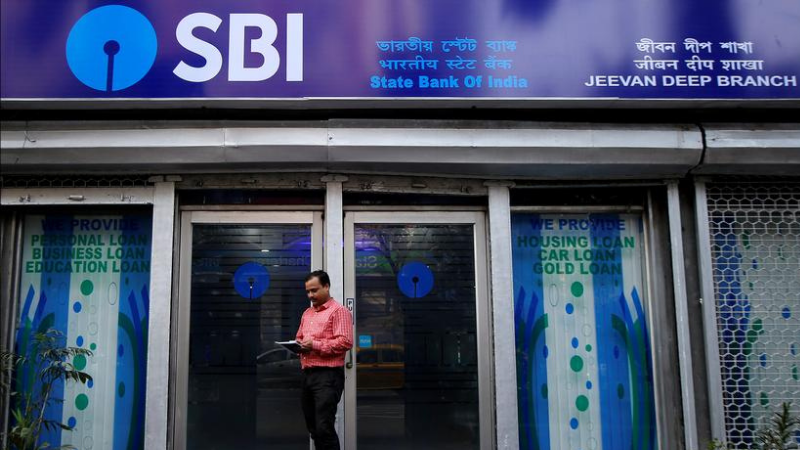

KARACHI: At least 44 Indian banks have been identified in connection with transactions by Indian entities and individuals in a set of Suspicious Activity Reports (SARs) filed by US banks with the watchdog, the Financial Crimes Enforcement Network (FinCEN), an investigation by The Indian Express has revealed.
According to a set of records of parties with Indian addresses, Indian banks figure in SARs linked to over 2,000 transactions valued at over $1 billion between 2011 and 2017. Significantly, there are thousands of transactions linked to Indian entities and businessmen where the Indian senders or beneficiaries have addresses in foreign jurisdictions.
Records investigated show that Indian banks mentioned in the SARs include: state-owned Punjab National Bank (290 transactions); State Bank of India (102); Bank of Baroda (93); Union Bank of India (99) and Canara Bank (190), among others.
Among private banks that figure in the SARs are HDFC Bank (253 transactions); ICICI Bank (57); Kotak Mahindra Bank (268); Axis Bank (41) and IndusInd Bank (117) among others.
Banks mentioned in the suspicious activity reports include state-owned Punjab National Bank, State Bank of India, Bank of Baroda, Union Bank of India and Canara Bank
According to the newspaper, the foreign banks that have filed the SARs include Deutsche Bank Trust Company Americas (DBTCA), BNY Mellon, Citibank, Standard Chartered and JP Morgan Chase among others.
Indian banks figure in the SARs primarily because they are “correspondent banks” to the foreign banks which have filed these SARs and figure in the network through which these transactions have been effected.
Records show there are cases where ‘suspicious transactions’ have been carried out through the international payment gateway of foreign banks, said the paper. In others, foreign branches of Indian banks such as a State Bank of India account in Canada and an account of Union Bank of India in the UK have been used by clients for carrying out part of the transactions in question.
Key to this is the correspondent banking relationship — an arrangement over which there has been growing concern as regulators crack down on secrecy of offshore transactions.
Under this arrangement, one bank (correspondent) holds deposits owned by other banks (respondents) and provides payment and other services to those respondent banks. Through correspondent banking relationships, banks can access financial services in different jurisdictions and provide cross-border payment services to their customers.
In the SARs, the foreign banks have cited a slew of reasons to red-flag these transactions, including “high-risk jurisdiction for money laundering or other financial crimes”, adverse media/public information on the client, “unidentified” parties, and the fact that “source of funds and purpose of transaction could not be ascertained”.
Meanwhile, there has been growing concern among banks over the idea of correspondent banking. According to a report on the issue by the Committee on Payments and Market Infrastructures (CPMI) of the Bank for International Settlements, prepared in 2016, banks providing these services are reducing their relationships.
The report says that rising costs and uncertainty about how far customer due diligence should be carried out in order to ensure regulatory compliance have been one of the key reasons for banks to cut back their correspondent relationships.
The report made several recommendations including standardisation of KYC norms and using legal entity identifiers in correspondent banking. It also recommended that global watchdogs like the Financial Action Task Force and anti-money laundering task force explore ways to tackle obstacles to information-sharing, with the aim of identifying potential best practices.
While mails sent to 10 banks for their comments on the SARs did not elicit any response, a spokesperson for the State Bank of India, in his response, said: “The information sought herewith is not available with the bank due to the SAR confidentiality regulations.
“The Financial Crimes Enforcement Network (FinCEN) has issued an advisory that any unauthorised disclosure of a SAR is a violation of US federal law… Both civil and criminal penalties may be imposed for SAR disclosure violations.
“This obligation applies not only to the SAR itself, but also to information that would reveal the existence (or non-existence) of the SAR. All the foreign branches of State Bank of India follow all the process as per the applicable local regulations to flag any suspicious transaction. SBI has been working with the highest level of compliance to legal and regulatory requirements not only in the India but also overseas.
“Bank at the same time follows a zero tolerance policy towards any violation of compliance.”
Published in Dawn, September 27th, 2020