Pakistan trying to reach ‘debt for nature’ swap deal with creditors: PM
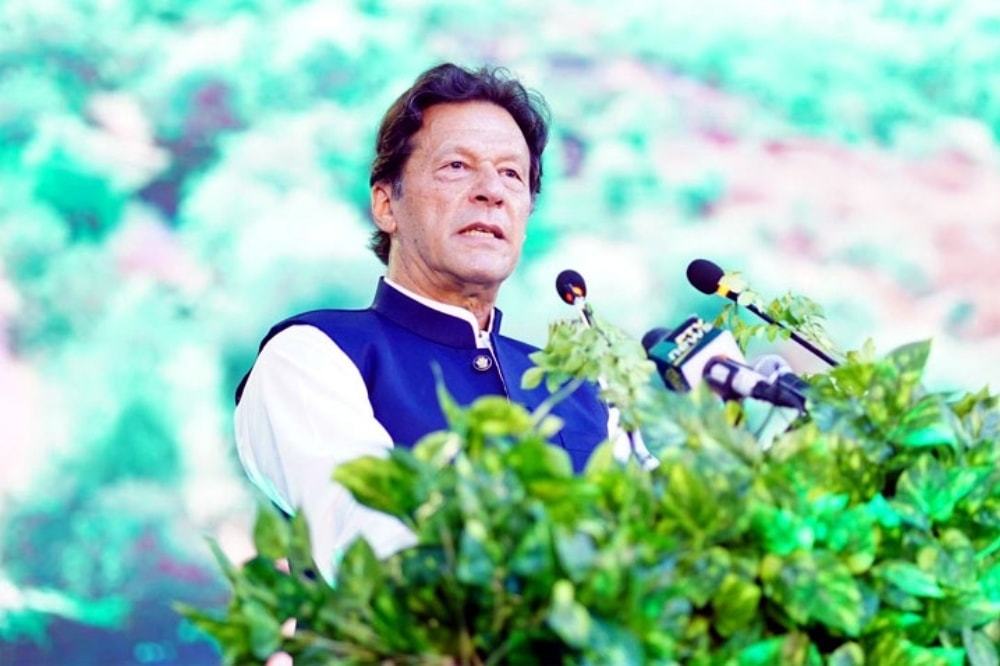

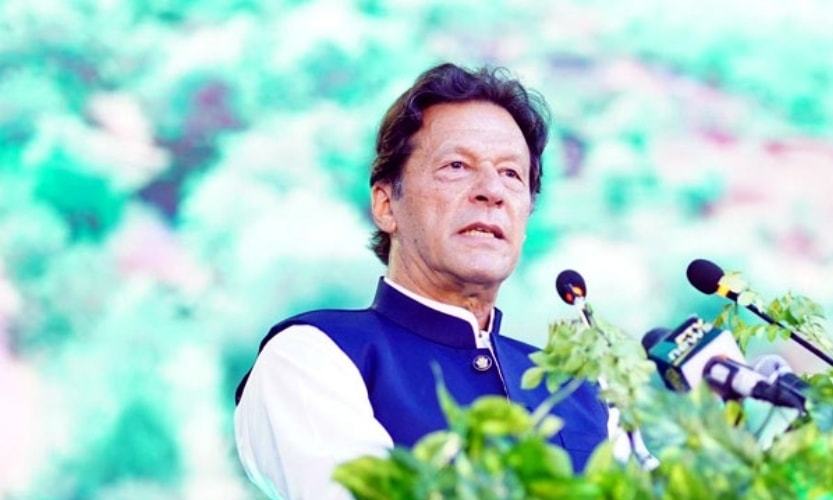
WASHINGTON: Prime Minister Imran Khan said on Sunday that Pakistan was working with international creditors on a debt-for-nature swap deal, which links financial relief to improvement in a country’s environment.
In an opinion piece he wrote for CNN on the World Environment Day, Mr Khan emphasised the need for a partnership between governments and financial institutions to stop the rapid degradation of the global environment.
“Pakistan is presently working with international creditors on a debt-for-nature swap deal, in which relief will be linked to achievements in biodiversity conservation,” he wrote.
Pakistan also recently floated the country’s first green bond, amounting to $500 million, which was well received in the global market.
The prime minister said Pakistan fully endorsed the UN decade (2021-2030) on ecosystems and was already working on an ambitious plan to expand and restore its forests, having already planted one billion trees and mangroves as part of its 10 billion tree drive.
“Pakistan’s mangrove coverage has increased by 300 percent over the past decade, making it the world’s only country with an expanding mangrove cover,” he added.
Mr Khan noted that during the first phase of the Bonn Challenge, Pakistan pledged to restore 865,000 acres of degraded landscape in Khyber Pakhtunkhwa — a target already surpassed.
“Now we voluntarily pledge a much larger national target under the Bonn Challenge for restoring almost 2.5 million acres of degraded/deforested lands across the country by 2023,” he wrote.
The prime minister regretted that decades of negligence had put the country on the list of countries most threatened by climate change, but pointed out that “what is true for Pakistan is true for the world at large”.
“One-third of global farmlands are highly degraded today, partially … forests have been disappearing at alarming rates in Pakistan and across the planet,” he wrote.
Mr Khan warned that this degradation was threatening global development, food security, and peace as congested and polluted urban spaces posed serious health and economic risks.
“As cities lose their vegetation and encroach into forests that surround them, they become more vulnerable to floods, which Pakistan is all too familiar with,” he wrote.
The prime minister noted that when he was growing up, Lahore was called the “City of Gardens”,’ but since then “cars and concrete buildings” had replaced “the sprawling mango and guava trees across the city, while previously clean canals are tarnished with countless single-use plastic water sachets”.
Published in Dawn, June 7th, 2021