'We are all United': Afghan Taliban deny reports of rifts within the group's leadership


Senior Taliban officials, including spokesperson Zabihullah Mujahid and a member of the Haqqani network, have denied reports of rifts between the leadership of the group's various factions since the formation of an interim government last week.
Reports of disagreements first began circulating after the Taliban formed a cabinet on September 7 that is more in line with their harsh rule in the 1990s than their recent promises of inclusiveness.
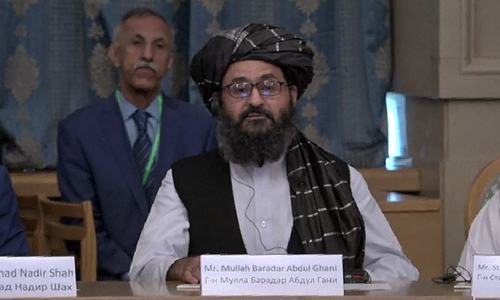
Late last week, rumours emerged of an alleged violent confrontation between pragmatists and ideologues in the Taliban leadership at the presidential palace, including claims that Deputy Prime Minister of Afghanistan Abdul Ghani Baradar was killed.
The occurrence of the row, reportedly between Baradar and minister for refugees Khalilur Rahman Haqqani, was confirmed to the BBC by a senior member of the Taliban based in Qatar and a person close to the factions at loggerheads.
The source identified Baradar's unhappiness over the interim government's structure as the primary reason for the confrontation, but added that the two factions had also argued over who should get more credit, with Baradar purportedly wanting greater acknowledgment for diplomatic efforts such as his and the Haqqani group adamant that the fighting faction played a bigger role.
The rumours of Baradar's death reached such intensity that an audio recording and handwritten statement, both by the leader himself, denied that he had been killed. He reiterated his well-being by appearing in an interview with the country’s national TV on Wednesday.
Other Taliban officials have also come forward to refute reports of cracks within the leadership, with Mujahid among those shooting down the rumours.
Anas Haqqani, younger brother of the Taliban's newly appointed Interior Minister Sirajuddin Haqqani, also issued a similar statement on Wednesday, maintaining that "the Islamic Emirate is a united front".
Haqqani's tweet follows a separate statement a day earlier by the Taliban foreign minister, Amir Khan Mutaqi, who deemed reports of friction within the group as “propaganda"
Analysts say the friction may not amount to a serious threat to the Taliban — for now.
“We’ve seen over the years that despite disputes, the Taliban largely remains a cohesive institution and that major decisions don’t get serious pushback after the fact,” said Michael Kugelman, Asia program deputy director at the Washington-based Wilson Center.
“I think the current internal dissension can be managed,” he said. “Still, the Taliban will be under a lot of pressure as it tries to consolidate its power, gain legitimacy, and address major policy challenges. If these efforts fail, a stressed organisation could well see more and increasingly serious infighting.”
However, Taliban divisions today will be more difficult to resolve without the heavy-handed rule of the group’s founder, the late Mullah Omar, who demanded unquestioned loyalty.