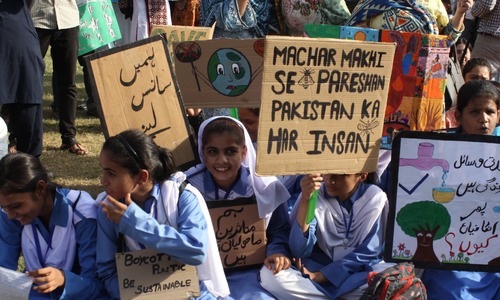
Climate change is arguably the biggest threat the world is facing right now and its effects are all around us. The melting of glaciers and the warming of seawater have pushed global sea levels up by an average of eight to nine inches since 1880. Nearly 70 per cent of this increase has occurred in the last three decades, indicating the impact of anthropomorphic activities.
A large chunk of the heat radiated from our planet is being pushed back into the ocean, instead of rising into space, thanks to the increase in greenhouse gas emissions. The global weather, meanwhile, is getting more and more extreme, with frequent droughts, heatwaves, snowstorms and other similar climatic events.
Climate change is not only affecting animal life but also human prosperity. The rapidly shifting weather patterns are hurting agriculture everywhere while crop yields are facing growing threats from floods, reduction in water supplies and pests. Meanwhile, the increase in pollution is affecting everyone’s health. Pakistan has been hit particularly hard by these factors.
In several cities, the Air Quality Index reading persistently remains above the unhealthy range — in Lahore, the metric occasionally rises to alarming highs of more than 500, a point where even the healthiest of individuals could face respiratory problems
Not only are we facing extreme weather conditions in every corner of the country, the alarming decline in air quality and the emergence of smog in urban centres have also made life difficult for the residents. In several cities, including Karachi and Lahore, the Air Quality Index (AQI) reading, released by the global environmental forum IQAir, persistently remains above the unhealthy range. In Lahore, the metric occasionally rises to alarming highs of more than 500 — a point where even the healthiest of individuals could face respiratory problems.
The good thing, however, is that the PTI-led government has recognised the seriousness of this issue and has taken various steps to tackle climate change. The government first launched the Billion Tree Tsunami program in Khyber Pakhtunkhwa in 2014 at the provincial level and later, in 2019, after the PTI won the general election and formed the national government, the 10 Billion Tree Tsunami project was launched. This will surely go a long way in reversing the adverse effects of climate change.
On the policy front, the government has also taken various initiatives, such as updating the nation’s climate action plan, Nationally Determined Contribution (NDC), which now aims to reduce the country’s emissions by 50pc by 2030 (15pc unconditional cuts in emissions and 35pc conditional on the availability of resources).
Although the government is leading the way, the private sector, particularly the leading corporations, will also have to play their part. There are various benefits of engaging the private sector to tackle climate change.
First and foremost, this can significantly increase financial resources earmarked for protecting and preserving the environment. Moreover, the authorities can also make use of the private business’s technical expertise and capabilities.
The Nationally Determined Contribution now aims to reduce the country’s emissions by 50pc by 2030
In Pakistan, many companies including Cnergyico Pk has been actively participating in environmental initiatives. These companies carry out many initiatives under their Corporate
Social Responsibility strategy, ranging from preserving marine life to supporting Covid-19 vaccination campaigns. They support improving access to clean drinking water, which is in line with the United Nation’s Sustainable Development Goals (Goal number 6: Clean Water and Sanitation).
The private sector is responding to the government’s call and the policymakers should further increase their engagement. Climate change is quickly emerging as an existential threat to everyone. But through effective public-private partnerships, we can mitigate the impact of climate change and prepare a better world for tomorrow.
Published in Dawn, The Business and Finance Weekly, January 21st, 2022