PESHAWAR: The government of Pakistan and the outlawed Tehreek-i-Taliban Pakistan (TTP) have agreed to extend the ceasefire, this time, indefinitely and continue negotiations to find an end to the nearly two decades of militancy in the tribal border region, it has been reliably learnt.
The extension in ceasefire, which was to come to an end last night, indicates significant progress in talks between the two sides in the Afghan capital Kabul, sources familiar with the development said.
Read more: Prospects of success in ongoing talks with TTP ‘bleak’
Sources told Dawn that the two sides had agreed to extend the ceasefire and continue peace talks following separate meetings with Mullah Muhammad Hassan Akhund, Acting Prime Minister of the ‘Islamic Emerate of Afghanistan (IEA)’ at his office the other day.
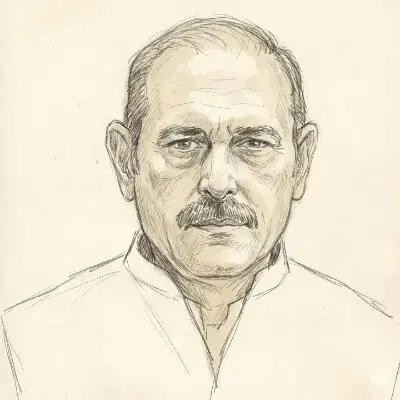
These sources said that in his meetings with the two sides, the soft-spoken septuagenarian leader expressed his desire that the talks and ceasefire should be allowed to continue without any cut-off date.
Afghan Taliban’s acting PM Mullah Akhund helping with ‘peace talks’
In a subsequent joint meeting, the two sides agreed to extend the ceasefire indefinitely and pursue negotiations to end the conflict that has seen mass dislocation and killings of thousands of people in Pakistan’s tribal region and the country at large.
IEA spokesman Zabihullah Mujahid and TTP spokesman Muhammad Khurasani had issued statements early this month, announcing extension in the ceasefire till May 30.
No official statement has been issued so far regarding the indefinite extension in ceasefire but Dawn has been able to get confirmation of this significant development.
The development follows days of “intense and extensive negotiations” in the Afghan capital attended by senior level delegations from the two sides that at one point seemed close to breakdown.
IEA’s Acting Minister for Interior Sirajuddin Haqqani, who is the central mediator, helped bring the talks back on track, sources said.
The GoP, sources said, had demonstrated its seriousness by acceding to some of the TTP’s demands and after the IEA suggested it would be important for confidence-building to move from preliminaries to formal and structured negotiations.
The release of prisoners and presidential pardon to two key militant commanders, including TTP Swat spokesman Muslim Khan, was one such demand.
Compensation for the dead and wounded, enforcement of Shariah regulation in Malakand, withdrawal of military from the borders and reversal of Fata merger into Khyber Pakhtunkhwa were key demands from the TTP side, these sources said.
The Shariah Nizam-i-Adl Regulation, 2009 is still operational in Malakand division. The law was enacted following marathon negotiations with the late Maulana Sufi Muhammad.
The GoP, these sources said, had no issue with some of the TTP’s demand, but two major issues remained challenging: the reversal of Fata merger and the disbandment of the TTP as an armed militant group.
The GoP delegates made it clear that the merger brought about through a constitutional amendment was not up for discussion and that tribal people were the main, important stakeholders.
The TTP on its part had brought documents containing the commitment made by Quaid-i-Azam Mohammad Ali Jinnah with the tribal people guaranteeing their autonomy in an independent Pakistan.
They were told that the reversal of the merger would mean return to the Frontier Crimes Regulation which was a relic of the British Empire and did not contain anything that could be considered ‘Islamic.’ They were asked to identify laws that had been enacted post-merger which they deemed to be in contravention of their customs or the ‘riwaj.’
Besides, the 25th Constitutional Amendment that brought about Fata’s merger into KP is pending before a larger bench of the Supreme Court of Pakistan since March, 2022 on a petition filed by some tribal elders opposed to it.
The disbandment of the TTP is another make-or-break issue, these sources said. The government delegation has made it plain that no armed group would be allowed to enter Pakistan territory or operate as such. Options are being discussed and the IEA is fully on-board in this regard.
The next round of negotiations is expected to take place in the second week of June, sources said, with a tribal jirga holding direct talks with the TTP in Kabul.
Published in Dawn, May 31st, 2022