ISLAMABAD: Pakistan will have to engage the Taliban government in Kabul directly to neutralise the banned Tehreek-i-Taliban Pakistan (TTP) as the group continues to pose threats to Pakistan’s internal security and western borders.
Talking to the outlawed group will not favour the Taliban regime either as it will not help to boost their image as a peace builder; rather, their regime will continue to be considered supportive of the terrorists and manipulators.
These are some of the key findings of the paper series titled “Afghanistan as Seen from Pakistan IV” released here on Thursday by Pakistan Institute for Peace Studies (PIPS), an Islamabad-based policy research and advocacy think-tank. The research is part of PIPS’ on-going quarterly ‘Situation Review’ series on Afghanistan.
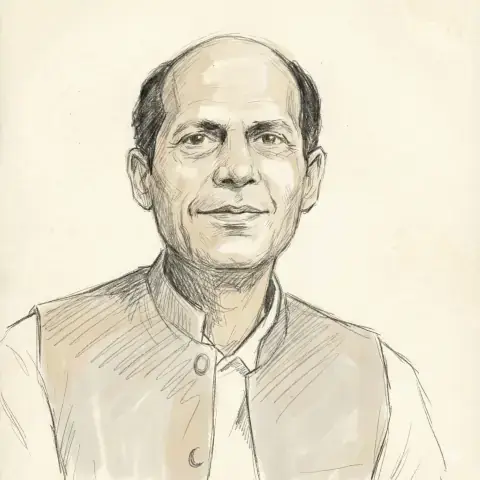
In the first research paper, PIPS Director Mohammad Amir Rana assessed the impact of the peace talks between the Pakistani state and the TTP. The second contribution comes from senior journalist Ziaur Rehman, which explores factors of Afghanistan’s persisting outlook on Pakistan.
The research underlines that whether Kabul absorbs the TTP within their ranks and files or expels it, Pakistan should allow Kabul to make its own choice. “Pakistan should have broadly focused on encouraging and facilitating the Taliban to fulfill its commitments, which they made after Kabul’s takeover.”
According to the report, Pakistan must intensify its efforts further for humanitarian assistance to Afghanistan which can reduce the bitterness of angry Taliban leaders.
“This trust deficiency is a major issue between Pakistan and the Taliban,” the study says and adds, “For that purpose, Pakistan must have a uniform approach toward all the Taliban groups and factions.”
The research points out that some recent obstacles in trade between Pakistan and Afghanistan have also been causing a negative impact on the relationship between the two countries. It suggests that instead of relying on or leaving it to the governments of the two countries, there is a need to develop and enhance people-to-people contacts at different levels to build trust and cement bilateral relations between Pakistan and Afghanistan. “Youth, parliamentarians, religious scholars, academics and non-governmental organisations of both the countries should meet and discuss bilateral affairs.”
The report recommends that initiating cross-border economic activities, trade, and social exchanges could also build stronger relations between the two countries, forcing both governments to sit and discuss ways forward too.
“Both the countries, despite having a fence, could mend their relations if the people on both sides join hands for economic, trade, and social exchanges.”
The research concludes that Pakistan should look upon Afghanistan as a sovereign country having freedom to develop ties with other countries. It must also stop relying on the Taliban regime in power and should engage with other political and ethnic groups of Afghanistan, in line with its policy to build trust and strengthen relations with Afghans, it added.
Published in Dawn, July 22nd, 2022