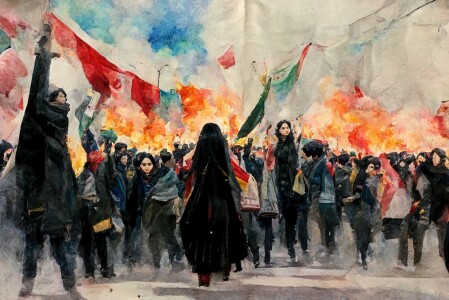
PARIS: More than 100 days of protests in Iran have shattered taboos and shaken the ideological pillars of the Islamic republic in a push for change that has defied a fierce crackdown.
The demonstrations, which erupted in mid-September following the death in custody of Mahsa Amini, 22, are a reflection of pent-up public anger over economic shortcomings and social restrictions, analysts say.
While there have been protests in Iran before, this movement has been unprecedented due to its duration, spread across provinces, social classes and ethnic groups and its readiness to openly call for the end of the clerical regime.
Banners of supreme leader Ayatollah Ali Khamenei have been set ablaze, women have openly walked down streets without hijab headscarves, and demonstrators have at times clashed with the security forces.
Iran, for its part, accuses hostile foreign powers of stoking the “riots”, chiefly its arch-foe the United States but also other Western nations such as Britain and France as well as exiled opposition groups.
In an intensification of the state crackdown, the Islamic republic this month executed two people in connection with the protests, drawing international rebuke and new sanctions.
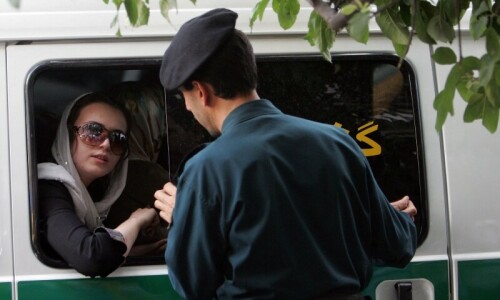
Iran’s prosecutor general said in early December that the morality police, which arrested Amini in Tehran for an alleged breach of the strict dress code for women, had been abolished.
But activists received the declaration with scepticism, given the continued legal obligation for women to wear a headscarf.
This was not any “actual change” and women are still “punished in other ways”, said Shadi Sadr, founder of the London-based Justice for Iran group. And it has not changed the movement’s key demand. “The protesters want the Islamic republic to go away,” she said.
While protests may have decreased in frequency and size in recent weeks, Oslo-based group Iran Human Rights (IHR) said they still take place “every day across the country”.
The regime has been unable to quell the popular unrest, and “there is no turning back,” IHR director Mahmood Amiry-Moghaddam said.
The Islamic republic has ruled Iran, first under revolutionary founder Ayatollah Ruhollah Khomeini and then his successor Khamenei, since ousting the more West-leaning and secular shah in 1979.
It swiftly imposed policies including Islamic sharia law and compulsory headscarves for women in public.
Rights groups accuse the regime of committing gross human rights abuses ever since, including extra-judicial killings and abductions abroad, and holding foreign nationals hostage at home. It now carries out more executions than any country other than China, according to Amnesty International. IHR says the country has executed more than 500 people this year alone.
Iran remains at odds with Western powers over its nuclear programme, and has also spread its influence throughout the Middle East, notably through Shiite allies in Lebanon and Iraq. Iran has been an active participant in the civil war in Syria and backs rebels in Yemen.
International condemnation of the crackdown and waves of Western sanctions have buried any expectation of quickly reviving the 2015 deal on the Iranian nuclear programme that the United States walked out of in 2018.
Published in Dawn, December 29th, 2022