• Two draft ordinances prepared for Rs100bn each in taxes, flood levy
• Govt considering discontinuing power subsidy, imposing sales tax on raw materials for exports
• More hikes in power, gas tariffs also on agenda
• No choice but to follow Fund’s policies: Miftah
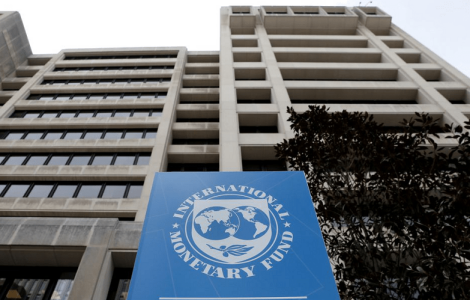
ISLAMABAD: The government has prepared two draft ordinances to impose Rs200 billion in new taxes, an official said on Saturday, days after the government accepted International Monetary Fund’s (IMF) demands to resume a stalled loan programme.
The government is also mulling discontinuing the power sector subsidy and unleashing sales tax on raw materials for the export sector, especially textile industrialists — measures that can ruffle the feathers of the PML-N’s core constituency in an election year. More hikes in electricity and gas tariffs are also on the agenda.
Meanwhile, PML-N Senior Vice President Maryam Nawaz Sharif, who returned to the country on Saturday after a nearly four-month sojourn in London, has come forward in defence of embattled Finance Minister Ishaq Dar and asked the nation to have faith in him to steer the deteriorating economy out of the quagmire.
Miftah Ismail, who has bitterly criticised Mr Dar after he replaced Mr Ismail in September, also said the government’s policies were on track and the measures were necessary for reviving talks with the Fund. “We don’t have a choice but to implement IMF policies,” he told Dawn.
The two draft ordinances prepared by the country’s top tax machinery related to the imposition of Rs100bn taxes and an Rs100bn flood levy on imports.
“We have prepared both ordinances,” a tax official told Dawn, adding that there would be an increase in withholding tax rates and regulatory duty on luxury items. Besides, the massive devaluation of the rupee in the outgoing week is also expected to generate additional revenue for the Federal Board of Revenue (FBR).
The flood levy, to be collected by the FBR at the import stage, will be used to bridge a shortfall in the petroleum development levy (PDL).
The IMF has estimated a shortfall of Rs300bn under the PDL and asked the finance ministry to increase this levy to Rs50 per litre on petrol and diesel from Rs35 at present. This decision was expected in the next review of petroleum prices on Jan 31, the source said, which could result in Rs20 to Rs40 per-litre hike in petroleum prices.
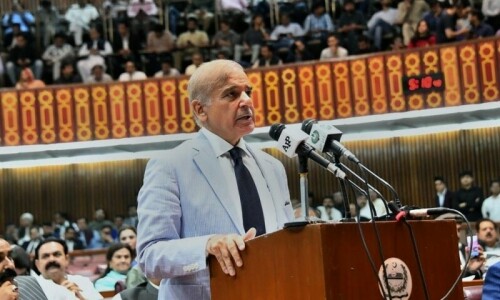
The IMF team is expected to reach Islamabad on Jan 31 for talks after Prime Minister Shehbaz Sharif gave assurance for implementing these policy measures, which were delayed for almost four months for political reasons as they could have fuelled already-high inflation. However, the government had to accept IMF conditions after the lender refused to budge.
The damage, however, has been done, with foreign exchange reserves falling to a multi-year low of $3.68bn, barely enough to cover three weeks of imports.
Soon after assuming charge in September, Mr Dar — known for propping up the rupee — pursued his agenda to bring down the dollar despite strong opposition from the IMF and some officials within the government’s team.
Initially, some gains were achieved when the rupee strengthened from 240 to below 220 against the dollar, but it was not sustainable because the reserves were falling, mainly because of a decline in exports.
On the other hand, industrialists — who form the core constituency of the PML-N — from across the country held their first meeting on Saturday at the Trade and Development Authority of Pakistan (TDAP), industrialist Jawed Bilwani told Dawn from Karachi.
The industrialists have asked TDAP chief executive Zubair Motiwala, who himself is an industrialist, to convey their reservations to the prime minister.
Another source said that top businessmen, especially importers, have also met PM Shehbaz and informed him of the fallout of Mr Dar’s policies and warned of serious consequences, including default. Mr Dar, according to the source, listened to the businessmen and assured the prime minister of giving up his policy of exchange-rate intervention.
PM Shehbaz also asked Mr Dar to allow the economic team in the second tier, especially special assistants, to run economic policies for the time being.
Talking to Dawn, former finance minister Miftah Ismail said implementing the market-based exchange rate was a major demand of the IMF. He said the government’s policies were now on track.
Meanwhile, the PTI in an official statement has called for Mr Dar’s resignation for allegedly misleading the nation, causing immeasurable suffering to citizens through record-high inflation and taking the economy on the brink of default.
Published in Dawn, January 29th, 2023