ISLAMABAD: Noting that the melting of glaciers in the Himalayan region affects the water needs of the billions that live in South Asia, a noted climate scientist has urged Pakistan to decarbonise and avoid following the footsteps of the high-emitters in the developed world.
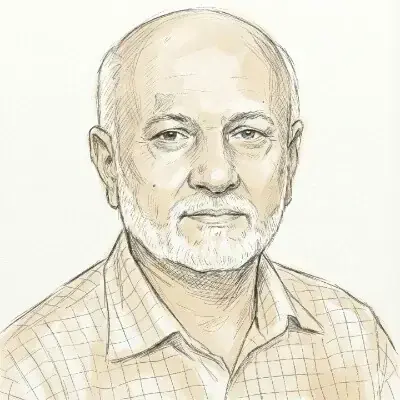
Prof Jean-Pascal van Ypersele, a former vice chair of the UN’s Intergovernmental Panel on Climate Change (IPCC) and Belgium’s pick to lead the Geneva-based panel this year, was in Pakistan last week to gather support for the election, scheduled to be held during a special IPCC session to be held in Nairobi in July this year.
The IPCC is a scientific body created by two United Nations specialised agencies: UN Environment Programme (UNEP) and the World Meteorological Organisation (WMO) more than thirty years ago with a mandate to provide the world with a clear scientific view on the current state of knowledge in climate change and its potential environmental and socio-economic impacts and solutions.
After a meeting with Minister for Climate Change Sherry Rehman, he told Dawn the interaction proved very productive. “She was very positive about my candidacy and said that the decision will be taken after consulting the Ministry of Foreign Affairs,” he said.
Belgium’s pick to lead UN’s IPCC panel holds meetings in Islamabad
Prof van Ypersele, who has to his credit forty years of experience in climate science and diplomacy, told Dawn that Pakistan was contributing very little to global emissions, but its vulnerability is very high, as made evident by the last year’s heat wave in spring and floods in the monsoon season.
He said that Pakistan and other developing countries should avoid following the developed countries. If these countries follow the same carbon-intensive path that developed countries have followed, in a few decades these countries will also be high emitters, he cautioned.
“We have to decarbonise as much as possible, and also need to take into account the need for energy access to everyone,” he said.
He also noted that the vulnerability of the South Asian region was quite high. Being a tropical region where the level of temperature is relatively high, therefore the impacts are also larger.
The melting of glaciers in the Himalayas, he said, is a big problem for all the countries which depend on the existence of those glaciers for their water resources. If those glaciers melt quickly some of the rivers will have flooding, especially if it is combined with extreme rainfall, Prof van Ypersele said.
Similar themes were explored in this discussions in Islamabad. According to him, Ms Rehman spoke about the effects of climate change on Pakistan that resulted in the devastating floods of 2022. The minister spoke about the lack of funding and emphasised adequate resources from multilateral institutions needed particularly for adaptation measures.
The professor also held a group discussion with legislators, environmental experts and government and non-governmental officials at the residence of Belgian Ambassador Charles Delogne.
Senator Mushahid Hussain Sayed, chairman of Senate Standing Committee on Climate Change; former adviser to PM on climate change Malik Amin Aslam and former UNEP deputy executive director Shafqat Kakakhel also participated in the discussion.
IPCC is expected to announce the official call for nominations for its chair next month. Belgium announced Prof van Ypersele’s candidacy in October 2022. He also contested for the post in 2015, but missed out by just 12 votes.
As part of his campaign for the post, Prof van Ypersele has now completed a tour of the South Asian region, visiting Bangladesh, India, Maldives, Nepal, and holding video calls with officials from Bhutan and Sri Lanka, the two countries where Belgium has no diplomatic presence.
The IPCC is currently composed of 195 member states and as per rules, each country has one vote for the single-term post. This year, IPCC will also hold elections to its 34-member bureau for the new term.
The unique power of this UN climate body lies in the breadth and depth of its climate assessment reports. Thousands of experts from around the world synthesise the latest scientific findings on the impacts of and the potential responses to climate change with the IPCC’s comprehensive Assessment Reports released every five to seven years.
Prof van Ypersele said that a meeting of IPCC will take place in Interlaken (Switzerland) this month to complete the final step of the sixth assessment report. The final stage in the sixth report will deliver to policy makers an integrated view of both problems and elements of solutions for them to implement.
Published in Dawn, March 13th, 2023