Just imagine it


REIMAGINING Pakistan has been a work in progress since the very beginning. Projects, seminars and books on the theme have proliferated, especially over the last decade. Similarly, today we see ‘reimagining’ initiatives — in response to the political, economic and social dead end we are at.
Despite promises of change, things have remained the same. In fact, they have deteriorated, bringing back memories of the mudslinging 1990s. This contrasts with earlier times, when the phrase ‘at a crossroads’ was often invoked to highlight the need for urgent change. But we have left behind even this optimism, where one at least could choose between two paths.
One remembers how Benazir Bhutto, in her last years, floated the idea of forging a new social contract between the rulers, the ruled and the state managers. But it failed to gain much traction beyond media debates and articles. Husain Haqqani’s book Reimagining Pakistan exposes the ills plaguing the country and suggests a slew of reformative actions going forward.
Many would argue that Pakistan has always been an insufficiently imagined country. Delusions of being too important to be ignored by international rescuers have put off this important conversation. The securitised nature of politics and governance, too, have contributed to the deadening of collective and individual thought.
Despite promises of change, things remain the same.
However, pushback efforts against these imposed ideological and political bounds have been impressive and are represented in poetry and political and regional initiatives.
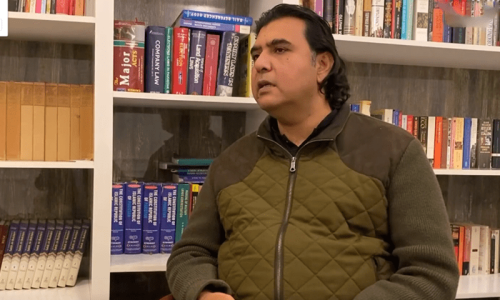
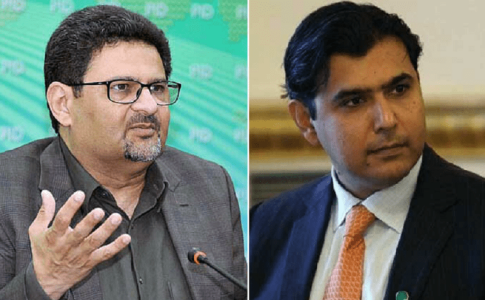
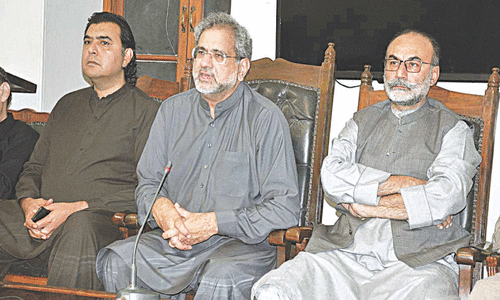
Take the latest reimagining project that has burst forth with an impressive line of sponsors. The list of issues identified by the leading lights of this reimagining project is a product of their experience in the governance and political domain. The leading lights, it must be pointed out, are system insiders who have become whistle-blowers exposing the rottenness of the existing system and its inability to solve Pakistan’s pressing and long-term problems.
Three challenges in particular have been identified by them: governance, economic and centre-state ties. However, when viewed up close, it is a narration of already identified problems — there has been no big imaginative leap to take us out of the current mess. Neither has media commentary or articles on the subject presented a stirring vision for the future.
To give substance to the reimagining project, someone has to step forward with ideas that can excite the new generation, which at present, only has the simplified, personalised and apolitical narrative of the PTI before it. This effort would have to involve a lot of organising and active encouragement of the younger generation to reimagine the national conversation.
It demands participation from various sections of the population who can offer perspectives and solutions on the basis of their own lived experience.
Though seminars are being organised at university campuses, we have not yet heard much about the revival of student unions — except in Sindh — which are central to any reimagining project.
Similarly, input from trade unions and other associations is absent. These associations are vital to the exercise if the pattern of dynastic politics is to be transformed so that rule-based, democratic parties can emerge. The need to reorganise politics bottom up, and with wide consensus, has never been so urgent. The project will ultimately be assessed on its systematising and mobilising strength that results in actions instead of policy sound bites.
Meanwhile, there is much speculation that the Reimagining Pakistan protagonists might want to launch a party of their own. But, the project should not go down that road, for the simple reason that politics is already fragmented and any new party, somehow or the other, tends to fall victim to the establishment’s policy of divide and rule. It takes decades for a party to take root.
The wiser course would be to catalyse thinking and mobilise support for new ideas at the grassroots level. As Marx famously said “The philosophers have hitherto only interpreted the world. The point, however, is to change it.” Such a change can only be the result of patient work with all sections of society. Dedicated grassroots outreach to trade unions, bar associations and doctors’ and students’ unions can bolster the reimagining project. The local group, in turn, can stimulate new ways of nudging and strengthening the existing parties that have matured over the years despite their deficiencies and the constrained and controlled space they have been operating in.
The writer, a public health and policy consultant, is the author of Patient Pakistan: Reforming and Fixing Healthcare for 21 Century.
Twitter: arifazad5
Published in Dawn, May 19th, 2023