UNITED NATIONS: Pakistan has demanded ‘scrupulous respect’ for the Indus Waters Treaty, which supports the world’s largest irrigation system and is vital for the national economy.
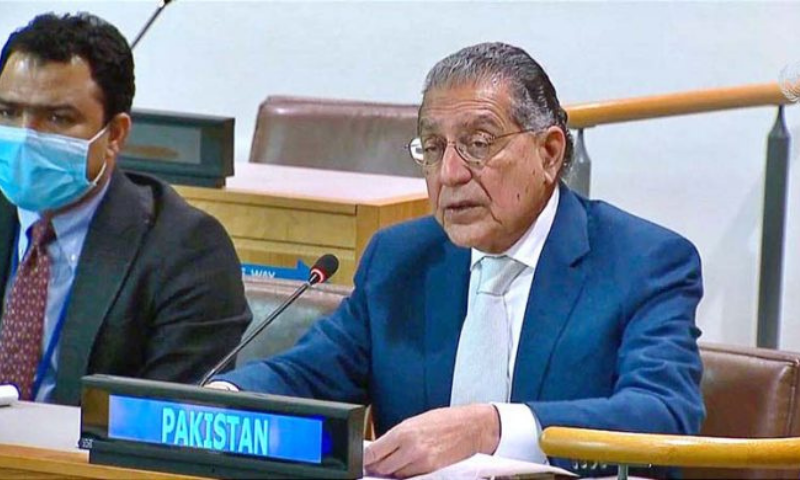
Pakistan raised the issue at the High-level Political Forum on Sustainable Development (HLPF), held at the UN headquarters in New York, this week. A parliamentary delegation, headed by National Assembly Deputy Speaker Zahid Durrani, represented Pakistan at the HLPF Parliamentary Forum, which concluded its proceedings on Wednesday.
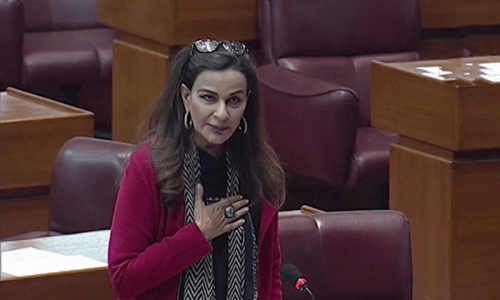
Shazia Marri, a member of the National Assembly, told the forum that Pakistan was one of the most water-stressed countries. “Our climate is semi-arid, our food and agriculture production rely heavily on the River Indus and its tributaries for water and Pakistan has the largest continuous irrigation system in the world,” she said. “That’s why scrupulous respect for the Indus Waters Treaty is vital for Pakistan.”
On Jan 25, India sent a notice to Pakistan demanding the modification of the Indus Waters Treaty. Pakistan has so far refused to engage. The World Bank, which is affiliated with the UN system, arbitrates water disputes between the two countries.
The treaty, which India, Pakistan, and the World Bank originally signed in 1960, allocates rights over the waters of several rivers in the Indus Basin to both states.
Ms Marri told the forum that Pakistan aims to rehabilitate the Indus irrigation system and its aquifers through a project called the Living Indus.
The theme for this year’s HLPF was “Accelerating the recovery from the coronavirus disease and the full implementation of the 2030 Agenda for Sustainable Development Goals (SDGs) at all levels”.
The 17 SDGs were adopted by the United Nations in 2015 as a universal call to action to end poverty, protect the planet, and ensure that by 2030 all people enjoy peace and prosperity.
Zahid Durrani told the forum that Pakistan has made considerable progress in integrating sustainable development into its national policies and aligning its legislative agenda with the SDGs.
He affirmed to continue to “work relentlessly to strengthen our parliamentary institutions” and also mentioned the establishment of a Parliamentary Task Force to strategise, legislate and oversee the efforts to implement the SDGs.
Senator Romina Khurshid Alam informed the forum that “Pakistan also stands as a testament to the urgent need for collective action on climate change”. She pointed out that the country was facing many challenges, including heatwaves, water shortages, melting glaciers, and natural disasters.
“Even though these challenges threaten the economic prosperity of our country, the well-being of our people, and the security of our future generations, Pakistan is committed to the SDGs,” she added.
Published in Dawn, July 20th, 2023