IMF Chief Kristalina Georgieva’s message to Pakistanis to collect taxes from the wealthy shines a light on the country’s inequitable tax system, which is the primary source of almost all our economic woes, including an unsustainable fiscal deficit, elevated inflation, a low investment rate and a frail balance-of-payments position.
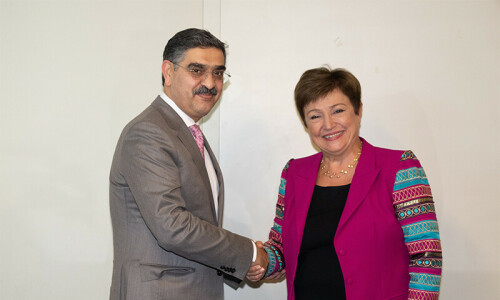
“I do believe that this is in line with what people in Pakistan would like to see for the country,” she said after meeting caretaker Prime Minister Anwaar-ul-Haq Kakar on the sidelines of the UN General Assembly session.
“We agreed on the vital need for strong policies to ensure stability, foster sustainable and inclusive growth, prioritise revenue collection, and protection for the most vulnerable in Pakistan,” she told Pakistani journalists.
“What we are asking in our programme is, please collect more taxes from the wealthy and please protect the poor people of Pakistan.” Mr Kakar was less forthcoming on the gist of his brief discussion with Ms Georgieva, characterising the meeting as “constructive” and “focused on mutual commitments”.
This is not the first time the IMF boss has urged Pakistan to tax the wealthy to boost its tax revenues. Back in February, she stated that, in order to function as a country, Pakistan must ensure that its high earners pay taxes and only the poor get subsidies.
Sadly, the previous PML-N-led ruling coalition, like its predecessors, did not heed her advice. The budget in June failed to address the root cause of the nation’s ever-dwindling tax revenues as it slyly avoided bringing undertaxed and untaxed sectors such as real estate, agriculture and retail effectively into the revenue net for fear of a political backlash.
Instead, it chose to increase the tax burden for ‘captive taxpayers’ — salaried individuals and the organised corporate sector — to meet the revenue goals of the IMF for a new bailout programme.
Tax measures incorporated in the budget — such as the distinction made between filers and non-filers — contradict the larger goal of documenting the economy and discourage tax compliance, perpetuating the risks to the long-term sustainability of the country’s economic structure.
With one of the world’s lowest tax-to-GDP ratio of 8.6pc, Pakistan has been running a fiscal deficit of more than 7pc for the last several years because of the rulers’ unwillingness to expand the tax base.
Little wonder that the country now finds itself in a debt trap, and is always looking for ever-shrinking handouts from global lenders to pay its bills and a little money to help its inflation-stricken poor.
It is time that Pakistan’s policymakers paid heed to what Ms Georgieva has been asking them to do for the country to be able to become a functioning entity by directly taxing all incomes, irrespective of their source, and reducing indirect taxation.
Published in Dawn, September 23th, 2023