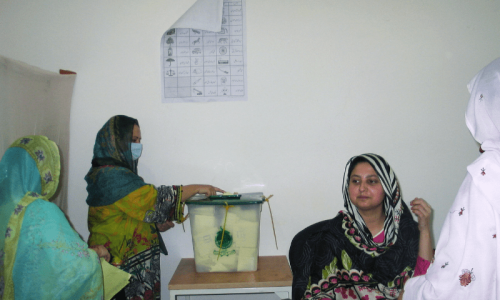
IT is encouraging to see that in the upcoming elections, the number of women candidates filing nomination papers has surpassed the figures of 2018 and 2013.
While this is a positive indicator of the evolving role of women in politics, the fact that they constitute only 11pc of the total candidates underscores a persistent gender disparity in political representation.
This year, 3,139 women candidates have stepped forward, a significant rise from the 1,687 in 2018 and 1,171 in 2013. Such an increase should be celebrated, yet when viewed in the context of over 28,000 candidates overall — in itself a record — the figure is starkly disproportionate.
This discrepancy highlights a missed opportunity by political parties to promote a more balanced representation. The expectation was for parties to this time around actively encourage and support a greater number of women candidates, yet this has not materialised to a satisfactory degree.
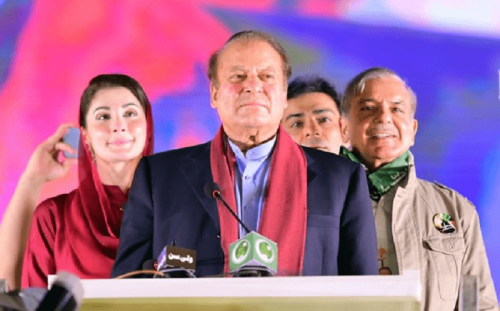
The situation within the PML-N offers a microcosm of the broader issue. The discord among women candidates in the party, who feel sidelined in favour of a select few — primarily from influential backgrounds — raises questions about the criteria for selecting candidates for reserved seats.
This practice not only discourages dedicated party workers but also undermines the essence of reserved seats, which should ideally serve as a platform for diverse and representative female participation.
So, what could have been done differently? First and foremost, political parties need to establish and adhere to transparent and equitable criteria for selecting candidates, especially for reserved seats.
This process should prioritise merit and dedication to public service over familial or socioeconomic connections. Additionally, there should be a concerted effort to scout and mentor potential women leaders from various walks of life, ensuring more inclusive and representative choices.
Moreover, political parties and the ECP must work together to remove barriers that deter women from political participation. This includes addressing societal prejudices, ensuring the safety of women candidates, and providing the necessary resources and training to potential women politicians.
The current state of women’s participation in national politics underscores the need for urgent action. Political parties, civil society, and government institutions must shoulder the responsibility to foster an environment where women’s political engagement transcends tokenism and becomes a cornerstone of our democratic fabric.
This is not just about meeting quotas or surpassing previous statistics; it is about fundamentally redefining the political landscape to be truly inclusive, equitable, and representative of diverse voices.
The journey towards this goal is arduous but essential for the health and maturity of our democracy. It is time to embrace a vision where women’s voices are not just heard but are instrumental in steering the course of our nation’s destiny.
Published in Dawn, December 27th, 2023