Refineries to maximise petrol, diesel production


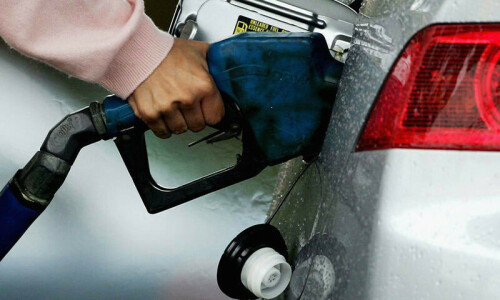
KARACHI: In the wake of the upgradation policy, refineries have initiated to comply with Euro-V specifications, maximise the output of petrol and diesel and minimise the production of furnace oil (FO).
“The upgradation policy is anticipated to enable refineries to increase total production of petrol (99 per cent) and diesel (47pc). The production of furnace oil is expected to reduce by 78pc,” said a research report on refinery upgradation by Arif Habib Ltd.
The government with the help of the refinery industry, prepared a refinery upgradation policy, and already respective refineries have initiated feasibility studies for independent upgrades.
According to the report, Pakistan’s total average requirement for the last five years for petroleum products stands at 24 million tonnes, out of which 11.35m tonnes have been produced locally while the rest (12.90m tonnes) were imported.
Pakistan having a total capacity of 20m tonnes, cannot fully utilise its capacity due to the lower demand for furnace oil amid a shift in the energy mix within the power sector. To note, refineries are unable to significantly change their production slate, hence reducing their throughput.
The government being cognisant of the overall situation announced a policy on Aug 17, 2023 for upgradation of brownfield refineries which was further amended in February.
“Refineries that endorse the policy will receive additional tariff protection or deemed duty incentives, amounting to 10pc for petrol (motor spirit) and 2.5pc for diesel for seven years,” said the report.
In Pakistan, there are five oil refining companies, namely, Pak-Arab Refinery Ltd (Parco), Attock Refinery Ltd (ATRL), National Refinery Ltd (NRL), Pakistan Refinery Ltd (PRL) and Cnergyico Pk Ltd (CNERGY).
After the signing of the policy by five refineries, total capacity for petrol and diesel is anticipated to arrive at 21,251 tonnes and 31,288 tonnes per day, respectively. The production of furnace oil is targeted to reduce by 78pc to 3,414 tonnes per day, said the report.
With the change in the country’s energy mix over the last 3-4 years, furnace oil demand is plummeting amid lower offtakes from power generation companies. Due to this refineries reduced their overall production, which resulted in lower utilisation.
The policy allows a minimum customs duty of 10pc on imported petrol and diesel for seven years from the date of notification of amendment to this policy.
Published in Dawn, March 7th, 2024