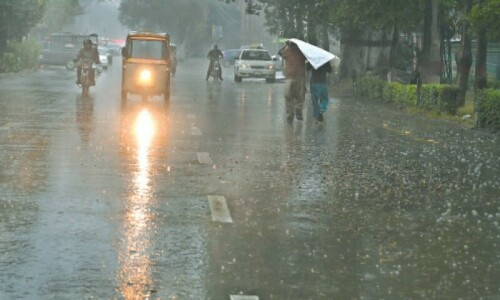
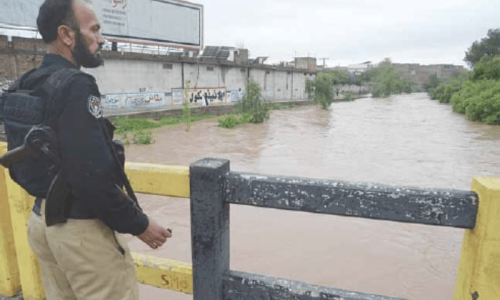
PAKISTAN has once again been caught off-guard by the devastating impact of unseasonal and intense rains across its provinces, with dozens of lives lost and considerable infrastructural damage. Such natural anomalies are reflective of climate change, as rightly pointed out by PPP chairman Bilawal Bhutto-Zardari. The damage wrought by the rains, while not the annual monsoons, is symptomatic of preparedness that is perennially lacking. What is required is not just a reactive approach but proactive strategies to mitigate the impact of such disasters.
The government must prioritise the upgrading of infrastructure to withstand extreme weather. This includes reinforcing buildings, securing electrical and gas supply systems against outages, and enhancing the capacity of dams and drainage systems to manage excess water. For regions like Balochistan and KP, where fragile structures are prevalent, introducing and enforcing stringent building codes is crucial.
Furthermore, there is a dire need for flood-risk management plans that are regularly updated and rigorously implemented. These should include community-based early warning systems and evacuation plans that are well understood by the public. The efficacy of these measures depends significantly on awareness campaigns that educate people about what to do during floods and storms. Moreover, environmental degradation exacerbates the impact of heavy rains. We must not only maintain but expand our forest cover and manage watersheds and riverbanks with sustainable practices to reduce the speed and impact of run-off.
These adjustments must be complemented by a broader commitment to addressing climate change. Pakistan must advocate for stronger international cooperation on climate issues, and seek technological and financial support to execute adaptation strategies. Research institutions must be mobilised to study the impacts of climate change specific to Pakistan, and develop solutions that can be implemented at the local level.
All this requires substantial government funding and the integration of climate change into all aspects of public policy planning. Our leadership at all levels needs to be geared towards protecting citizens from the impending and ongoing impacts of climate change. This means a shift from superficial discussions to actionable policies.
Preparing for monsoon seasons or extreme weather events — like the catastrophic floods of 2022 — should not just be about managing the crisis but preventing the worst of its impacts. The time for mulling is long past. It is now time to act.
Published in Dawn, April 16th, 2024