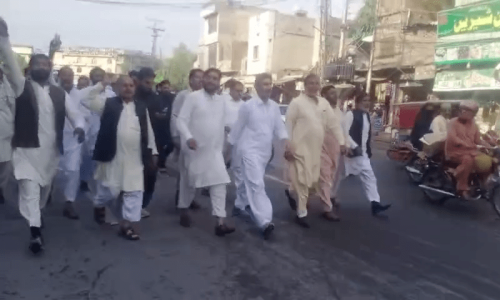
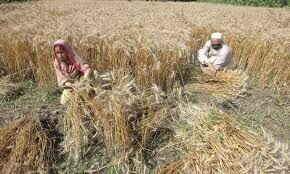
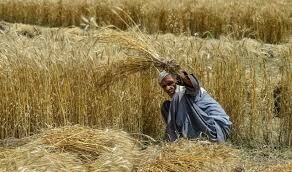
THE crackdown on farmers protesting in Lahore and several other cities against the government’s ‘flawed’ wheat procurement policy and delays in the commencement of the grain’s official purchases in Punjab is deplorable.
Scores of farmers were manhandled and detained by police across the province on Monday, particularly in Lahore and south Punjab. The protesters appeared to have taken to the streets as a last resort after the authorities ignored their calls for help. Wheat rates have plummeted in the market, and are much below the support price of Rs3,900 per 40kg. The recent rains have added to the farmers’ woes.
And yet, the government continues to play down the problem, with its spokesperson dismissing the protests as politically motivated. This is not how governments treat those who grow food for the entire country, and the ruling PML-N may, sooner or later, have to pay a big political price for neglecting the plight of farmers, especially smallholders, who have already announced plans to block highways with the opposition’s support.
Indeed, the provincial administration has valid reasons for streamlining its wheat purchases through digitising the process, slashing the procurement target for the current harvest, and delaying official purchases far beyond the date announced earlier.
There are also no two opinions that the existing policy of excessive government intervention in the wheat market by fixing a minimum support price and procuring a larger portion of tradable surplus brought to the market by farmers each year has run its course and become a burden on the government budget. These interventions are ostensibly to support growers, and ensure price stability and food security.
In fact, they benefit only the middlemen, and flour millers, especially those who operate only for a few months, and that too on subsidised wheat quotas from official stocks. This policy must end.
However, a sudden curtailment of the government’s role will prove harmful for farmers amid collapsing wheat prices resulting from record production and unseasonal rains that are threatening the crop. The government should withdraw from the wheat trade gradually, replacing the existing market support mechanism with an effective new one over the next several years.
Many believe that the previous caretaker set-up’s reckless decision to import over 3.2Mt of grain when the harvest was approaching is responsible for the restricted official purchase target. This is largely true.
If the Punjab government did not have stocks of over 2Mt, it might have raised its procurement target for the ongoing harvest without much fuss to avoid protests. Planning Minister Ahsan Iqbal also blames unnecessary wheat imports for the present market volatility. The authorities, therefore, must investigate the motives behind this reckless decision and fix responsibility.
Published in Dawn, May 1st, 2024