LAHORE: The Punjab government is embarking upon a policy shift from treating smog as a seasonal issue to a year-round epidemic requiring urgent interventions.
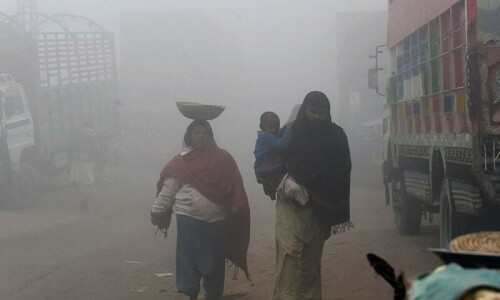
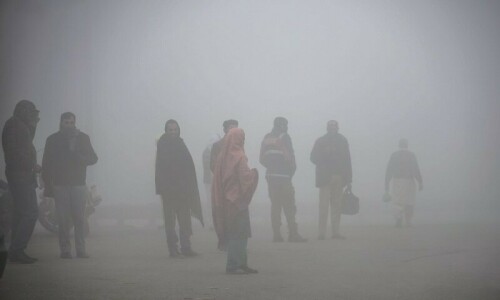
The Punjab government, it is learnt, is attributing constant decline in air quality in the province, particularly in Lahore, to the previous strategy that treated smog as a seasonal issue. This approach not only downplayed the severity of the problem but also resulted in a mediocre response mechanism. As a result, Pakistan ranked as the second most polluted country, and Lahore was the fourth most polluted city in the world during 2023. Lahore’s Air Quality Index in winter last year had touched as high as 435 against 200-300 moderately polluted AQI value.
Acknowledging that the province effectively handled the dengue epidemic to the extent it became an international case study, the Punjab Environment Protection and Climate Change Department (EPCCD) has begun treating smog as a year-round epidemic requiring urgent interventions. Chief Minister Maryam Nawaz Sharif has emphasised the importance of not just combating smog but preventing it altogether.
Policy shift requires all govt depts to work together to prevent smog in the short and long terms
Institutionalising the new strategy within the planning and development department, senior minister Marriyum Aurangzeb says the Punjab government will enable all government departments to work together to prevent smog both in the short and long term. “The gravity of the situation calls for a multi-sectoral and immediate response. The environment protection department has been deliberating on viable solutions during the first hundred days of the Punjab government and has launched a preventive operation from July to September 2024,” she told Dawn.
During this period, a rigorous campaign for operations and communication will be conducted. People from all walks of life, professions, and routines will be encouraged to contribute to creating smog-free safe spaces around their personal areas, whether at work, home, or during travel.
This coordinated approach includes an indiscriminate crackdown on brick kiln owners who have not implemented Zigzag Technology, vehicles emitting smoke, industrial emissions, and individuals burning garbage, rubber, or agricultural waste. Additionally, the government will encourage people to carpool or use public transport. Beyond these measures, grey industrial smoke, sulfur dioxide and particulates from burning coal, and fugitive dust will be addressed through a multi-sectoral approach involving the transport, agriculture, energy, education, industries, municipal, and health departments.
“While cross-border smog contribution is a reality necessitating joint action, local compliance to environmental standards at the provincial level is our responsibility. The department has studied international practices, particularly from China and India. We have concluded that city-specific interventions focusing on greening, promoting clean energy, and controlling industrial emissions are necessary,” says EPCCD secretary Raja Jahangir Anwar.
He said the Punjab government was also pursuing climate financing to address the carbon footprint issue. “The Punjab government is committed to revolutionising its environmental protection strategy. From traffic congestion management to providing e-bikes, e-buses, vehicle inspection systems, biomass plants, the Punjab Green School Programme, converting schools into green areas, mapping industries to engage in clean air initiatives, and waste treatment plants, all these efforts represent a unified action plan to mitigate smog on a war footing,” Ms Aurangzeb told Dawn.
She also said the government had launched a subsidy scheme for the provision of Super Seeder and Rice Straw Shredders to farmers to help them deal with stubble burning. She said the government was also assisting this sector in making use of green and clean energy projects, including solar and other renewable means.
A senior environment protection department official said the government was also in the process of procuring gas analyzers for traffic intersections to continuously monitor smog hotspots. These technological solutions aim to facilitate enforcement teams in alerting the relevant authorities for need-based interventions.
Published in Dawn, July 8th, 2024