The Foreign Office (FO) on Friday rejected all speculation in India about Pakistan being involved in the ouster of Bangladesh’s ex-premier Sheikh Hasina, terming it New Delhi’s “disturbing obsession” with Islamabad.
The comments came after reports emerged from India accusing the Pakistan intelligence agencies for their alleged involvement in the collapse of Bangladesh’s government.
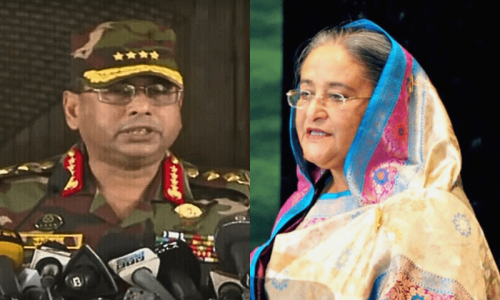
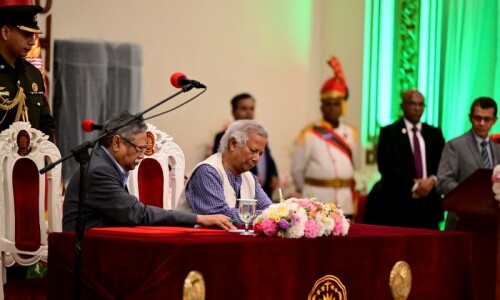
The Bangladeshi military initially took over the country after a student-led protest forced the country’s Hasina to flee. Later, an interim government was formed with Bangladesh’s Nobel Peace Prize-winning economist Muhammad Yunus sworn in as its head.
Reacting to the Indian media reports, FO spokesperson Mumtaz Zahra Baloch, during a weekly press briefing in Islamabad today, rejected all such statements, stressing that Pakistan had no involvement in the events that took place in Bangladesh.
“These statements depict India’s disturbing obsession with Pakistan,” Baloch said in response to a question.
She said that Indian political leaders and their media habitually blamed Pakistan for their failures in domestic and foreign policy.
The spokesperson added that Pakistan and Bangladesh had positive relations which had only continued to grow.
“The government and people of Pakistan have expressed their support and solidarity with the people of Bangladesh and we sincerely hope for a peaceful and swift return to normalcy,” Baloch said.
She went on to say that Pakistan was confident that the resilient spirit and unity of the Bangladeshi people would lead them towards a harmonious future.
Bangladesh riots
The student-led movement that ousted Hasina grew out of protests against quotas in government jobs that spiralled in July, provoking a violent crackdown that drew global criticism, although the government denied using excessive force.
Hasina, 76, who had been in power since 2009, quit on Monday as hundreds of thousands of people flooded the streets of Dhaka. Jubilant crowds later stormed and looted her palace.
Monday’s events were the culmination of more than a month of unrest, which began as protests against a plan for quotas in government jobs but morphed into an anti-Hasina movement.
Hasina, who was accused of rigging the January elections and widespread human rights abuses, deployed security forces to quash the protests.
At least 455 people were killed in the unrest, according to an AFP tally based on police, government officials, and hospital doctors.