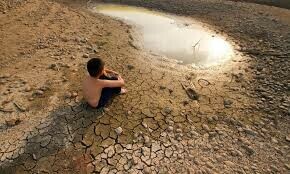
An estimated 1.8 million people in Khyber Pakhtunkhwa are at risk of climate change-induced health issues in the coming years, according to a research-based adaptation plan issued by the provincial health department.
The plan projected that people in the province may face life-threatening challenges, including diseases, injuries, and fatalities caused by natural disasters such as floods and landslides.
The KP health department, with support from the Evidence for Health programme and funding from the Foreign, Commonwealth, and Development Office, has officially launched the “Climate and Health Adaptation” plan in the province this month.
According to the report, climate change and environmental degradation are expected to trigger severe health crises in the province, including reduced health productivity, premature mortality, and an increase in seasonal diseases.
“Vector-borne diseases like malaria and dengue are projected to rise by 30–40 per cent in KP, while waterborne illnesses such as diarrhoea could see a 20pc increase due to frequent flooding and declining water quality,” the plan said.
Additionally, diseases like cholera and viral hepatitis A will further strain the healthcare system.
Respiratory illnesses, including asthma and chronic obstructive pulmonary disease (COPD), are also expected to surge by 20pc due to worsening air pollution caused by climate change.
Collectively, hospitals in KP are anticipated to face a 20pc increase in patient influx, placing additional pressure on healthcare services.
Aside from physical diseases, climate change has also significantly contributed to rising mental health challenges in KP. Data compiled after the devastating 2022 floods revealed a 38pc increase in depression, a 20pc rise in anxiety, and a 43pc surge in stress among vulnerable groups.
It also showed a spike in repeated climate shocks, including displacement, loss of assets, and disruptions to livelihoods, all of which contribute to heightened stress, anxiety, and depression.
The provincial health department adaptation plan for the health sector has been classified as “extremely vulnerable” to the impact of climatic changes.
These include the provincial capital, Peshawar, followed by Charsadda, Mardan, Mansehra, Dera Ismail Khan, Dir, and Swat. Additionally, six other districts — Swabi, Khyber, Abbottabad, Bajaur, Bannu, and Nowshera — are considered “high risk”.

Dr Asif Izhar, a medical specialist at the Police and Services Hospital in Peshawar, has been closely monitoring shifts in seasonal disease patterns. Speaking to Dawn.com, he noted that the duration of seasonal diseases has extended compared to previous years.
For instance, last year, the dengue outbreak lasted three months, whereas it previously persisted for a month only. He further emphasised that seasonal diseases had become more severe, with bacteria increasingly developing resistance to antibiotics.
“The irrational use of antibiotics has rendered them less effective,” he stated. “While dry conditions facilitate the spread of seasonal diseases, warmth and moisture accelerate bacterial growth.”
Dr Mahwish Hayee, a technical adviser for the Evidence for Health programme — which aims to strengthen Pakistan’s healthcare system — told Dawn.com that climate change is creating new challenges for healthcare in KP.
“We need to focus on prevention,” she emphasised. “We must not wait for the flood to come and hit us — we must not be reactive.”
Dr Mahwish further stressed the importance of data systems and digitisation for monitoring climate change. She highlighted that predictive modelling should be adopted to track and prepare for diseases that are expected to worsen in the future.

Dr Hameed Jamali, a climate expert working on the Khyber Pakhtunkhwa Climate and Health Adaptation Plan, told Dawn.com that rising temperatures in the province have led to the emergence of viral diseases in northern areas that were previously unheard of.
“For example, dengue is now surfacing in northern regions,” he explained, attributing this to the increasingly favourable temperatures for mosquito survival.
In response to the growing challenges posed by climate change to the health sector, the government has launched the Climate Change and Health Adaptation Plan.
CM aide on health Ihtesham Ali shared that this plan serves as a policy framework to help the healthcare system address climate-related health challenges.
“Previously, hospitals followed a generalised policy for medical facilities, medicines, and healthcare services,” he stated.
“Now, the provincial health department is taking a different approach. We will provide medicines based on the specific health challenges each area faces, particularly concerning seasonal diseases.”
The adviser also announced the establishment of a Climate Change Cell for the first time in KP, adding that the unit will record data and monitor climate-related changes, enabling the healthcare system to implement policies based on real-time insights.