Islamabad, Kabul agree to deepen diplomatic ties


• Pakistan’s special envoy Sadiq meets Afghanistan’s acting foreign minister Muttaqi
• Both sides stress need for joint meetings to resolve outstanding issues
• Afghan FM insists obstacles to trade shouldn’t be linked to other disputes
ISLAMABAD: Pakistan and Afghanistan on Saturday vowed to sustain their diplomatic engagement to address ongoing bilateral challenges, including trade, security and the status of Afghan refugees in Pakistan.
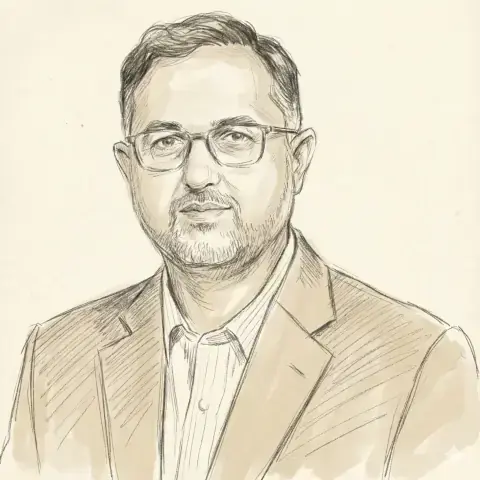
The understanding was reached during a meeting between Pakistan’s special envoy for Afghanistan, Ambassador Muhammad Sadiq, and Afghanistan’s Acting Foreign Minister, Mawlawi Amir Khan Muttaqi, in Kabul.
Mr Sadiq is currently on a three-day visit to the neighbouring country aimed at reviving diplomatic ties following a period of strained relations over security concerns.
According to a statement from the Afghan foreign ministry, both sides emphasised the importance of holding joint meetings and exchanging delegations to resolve outstanding issues.
Following the meeting, Mr Sadiq echoed this sentiment in a post on X (formerly Twitter), stating that both countries had agreed to enhance high-level engagements and dialogue to strengthen bilateral relations. He reaffirmed Pakistan’s commitment to ongoing engagement and mutually beneficial ties with Afghanistan.
While security concerns remain a primary issue, the discussions initially focused on trade and transit, though contentious topics were also raised without immediate resolution.
“In this meeting, bilateral relations, political and economic cooperation, transit, and people-to-people exchanges between Afghanistan and Pakistan were discussed,” the Afghan foreign ministry stated.
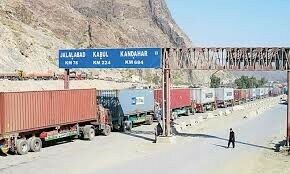
A significant development in trade relations is the reopening of the Torkham border after a 27-day closure. The crossing was shut on Feb 21 due to a dispute over construction activities and was reopened following negotiations mediated by a jirga.
Currently, the border is operating under a temporary arrangement until April 15, with ongoing negotiations for a long-term solution. Islamabad has expressed the hope that a permanent agreement will be reached before the current mechanism expires.
“The foreign minister (Mr Muttaqi) emphasised that obstacles to transit routes and trade are not in the interest of either side and should not be linked to other disputes,” the Afghan foreign ministry noted. In response, Ambassador Sadiq assured that Pakistan would take practical steps to address these concerns.
Another key issue discussed was the status of Afghan refugees in Pakistan. As of March 2025, estimates suggest that over 3.1 million Afghans reside in Pakistan.
This includes around 1.35 million registered refugees, as reported by the UNHCR, and an additional estimated 600,000 who arrived after the Taliban’s return to power in 2021, along with a substantial number of undocumented individuals. The total fluctuates due to ongoing repatriation efforts, with over 800,000 Afghans having returned to Afghanistan since 2023.
The Pakistani government has set a March 31 deadline for Afghan Citizen Card holders and those residing illegally to leave voluntarily, after which mass deportations will commence, as per an official warning from the Ministry of Interior.
Meanwhile, registered
Afghan refugees holding Proof of Registration (PoR) cards have been granted permission to stay until June 30, 2025. However, PoR card holders living in Islamabad and Rawalpindi will be relocated to other areas.
“The foreign minister stressed that Afghan refugees in Pakistan should be allowed to return to their homeland gradually and with dignity, rather than being forcibly expelled,” the Afghan foreign ministry stated.
In response, Ambassador Sadiq pledged to facilitate visa issuance and travel arrangements for Afghan nationals. He also reassured the Taliban administration that Pakistan considers Afghanistan’s security essential for regional stability.
Mr Sadiq is set to conclude his visit on Sunday, with further discussions expected on trade facilitation and counterterrorism cooperation. His trip underscores Pakistan’s strategic interest in maintaining dialogue with Afghanistan despite persistent challenges in their bilateral relationship.
Published in Dawn, March 23rd, 2025