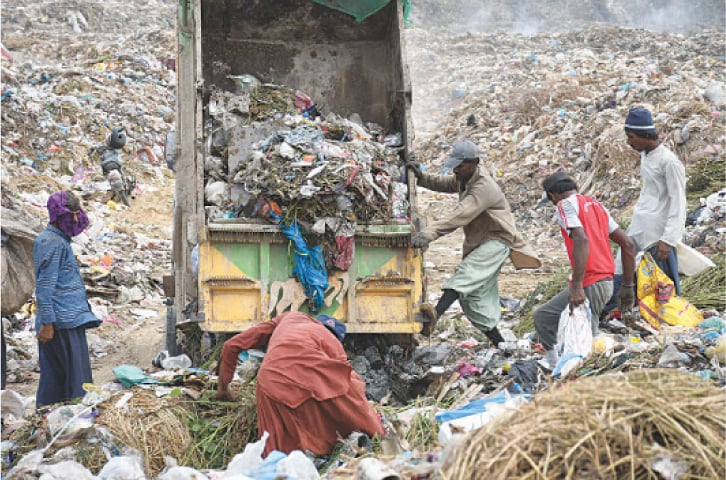
KARACHI: In Pakistan, nearly two million tonnes of plastic waste is generated each year, of which 86 per cent is not managed properly. This mismanagement harms human health and marine species, with over 1.7 million tonnes ending up in landfills, open dumping sites, waterways and food systems, placing Pakistan among the top 10 plastic-polluting countries globally.
This was stated by the World Wide Fund for Nature-Pakistan (WWF-Pakistan) in its press release issued on World Environment Day observed on Thursday, calling for urgent measures to address the challenge.
According to the United Nations Environment Programme, approximately 400 million metric tons of plastic waste is produced annually, with 36pc consisting of single-use plastics.
On a global scale, plastics have revolutionised industries, offering cost-effective and durable alternatives to traditional materials. However, their widespread use, particularly single-use plastics (SUPs), has led to severe environmental and health concerns. These disposable plastic products, designed for short-term use, contribute massively to global pollution, with billions of items discarded daily.
The environmental impact of plastic mismanagement is profound. Studies estimate that over 14 million tonnes of plastic waste enter the ocean annually, posing a significant threat to marine ecosystems. Microplastics, tiny fragments of degraded plastic, have infiltrated the global food chain, with traces found in seafood, drinking water and even human blood.
“Exposure to these plastic particles has been linked to hormonal disruptions, reproductive disorders, and increased risks of carcinogenic diseases. Moreover, plastic production and disposal also contribute to global greenhouse gas emissions, further exacerbating climate change,” the organisation stated.
It refers to a 2023 study by the Pakistan Environmental Protection Agency, which highlighted that less than 10 per cent of the total plastic waste in Pakistan is recycled, with the remaining portion contributing to waste diversion inefficiencies and landfill overflows.
“The absence of an integrated waste management system and limited investment in material recovery infrastructure have further aggravated the issue. The most common sources of SUPs include food and beverage packaging, such as plastic bottles, takeout containers and wrappers, along with disposable grocery bags, straws, cutlery, and personal care products,” it said.
Research indicates that plastic packaging alone accounts for 40pc of global plastic production, making it the dominant contributor to global plastic waste accumulation. These plastics are primarily composed of non-biodegradable polymers, such as polyethylene and polystyrene, which are highly resistant to degradation. As a result, they persist in the environment for centuries, accumulating in landfills, water bodies, and ecosystems, leading to severe ecological and human health consequences.
“Pakistan ranks among the highest in South Asia in terms of plastic mismanagement rates, exacerbating issues related to urban waste disposal and public health risks,” stated Hammad Naqi Khan, director general of the WWF-Pakistan.
The world is grappling with the challenge of plastic pollution, which is negatively impacting human health, fragile ecosystems and threatened wildlife, he added.
He also said that what we need to do is to discourage plastic production and initiate a joint awareness campaign highlighting the negative impacts of plastic products on the environment and human health.
“Despite the government’s partial bans on plastic bags, the affordability and convenience of single-use plastics continue to drive excessive consumption, highlighting the urgent need for policy interventions, enhanced waste recovery systems, and a transition to circular plastic economy models,” Mr Khan added.
In Pakistan, microplastics have been detected in multiple drinking water sources, raising serious concerns about long-term human health risks.
Additionally, the plastic industry in Pakistan emits tonnes of carbon dioxide annually, intensifying the country’s climate vulnerability. The WWF-Pakistan urged to protect the environment and mitigate health risks by discouraging the production and consumption of plastic products in the country.
Published in Dawn, June 6th, 2025