Nato chief urges 400pc rise in air defence spending


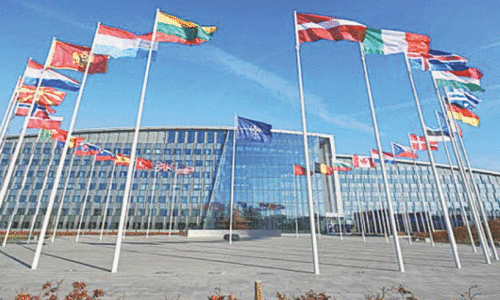
LONDON/TORONTO: Nato head Mark Rutte on Monday urged a “quantum leap” in defence capabilities, including a “400-percent increase” in air and missile defence to shield the alliance against Russia.
His comments came as he pushes for Nato members to commit to ramping up defence spending at a key summit of the western military alliance later this month.
“We see in Ukraine how Russia delivers terror from above, so we will strengthen the shield that protects our skies,” the Nato secretary general said in a speech to the Chatham House think-tank in London.
To maintain credible deterrence and defence, Nato needs “a 400-percent increase in air and missile defence”, the former Dutch prime minister added. “The fact is, we need a quantum leap in our collective defence,” he said.
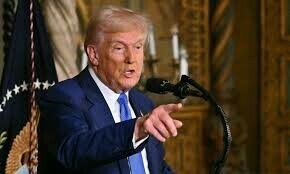
Rutte is urging Nato members to commit to 3.5pc of GDP on direct military spending by 2032, and an additional 1.5pc on broader security-related expenditure. The proposal is a compromise deal designed to satisfy US President Donald Trump, who has demanded that allies each spend five percent of economic output on defence, up from a current commitment of two percent.
Canada promises to boost allocation, meet target this year
Rutte said he “expects” leaders to agree to the proposal at the summit of the 32-country alliance on June 24-25 in The Hague. “It will be a Nato-wide commitment and a defining moment for the alliance,” he said in his speech.
Russia condemned Rutte’s comments before he took to the stage, denouncing Nato as “an instrument of aggression”.
Nato “is demonstrating itself as an instrument of aggression and confrontation”, Kremlin spokesman Dmitry Peskov told reporters in Moscow.
Rutte’s speech came after he met UK Prime Minister Keir Starmer on Monday, their second Downing Street talks since the Labour leader came into power in July 2024.
Starmer’s government this year pledged to increase defence spending to 2.5pc of GDP by 2027, but has not yet set a firm timeline for further hikes.
‘Fairer, more lethal alliance’
Nato members have been scrambling to bolster their defence capabilities since Russia launched its invasion of Ukraine in February 2022. Trump’s return to the White House in January, and question marks over his commitment to European security, has added urgency.
“Danger will not disappear even when the war in Ukraine ends,” Rutte said at Chatham House. “We must have more forces and capabilities to implement our defence plans in full.” He added that Russia currently produces the same amount of ammunition in three months as “the whole of Nato produces in a year”.
“Our militaries also need thousands more armoured vehicles and tanks, millions more artillery shells,” Rutte added.
Rutte also warned that China is “modernizing and expanding its military at breakneck speed”. “Nato has to become a stronger, fairer and more lethal alliance,” he added.
And he warned that if countries cannot commit to 5.0pc for defence spending “you could still have the National Health Service, or in other countries, their health systems, the pension system, etc, but you better learn to speak Russian. I mean, that’s the consequence”.
Canada to boost spending
Canada’s Liberal government will pour extra billions into its armed forces and hit Nato’s 2pc military spending target this fiscal year, five years earlier than promised, Prime Minister Mark Carney said.
Canada has been under pressure from the United States and other Nato allies for years to increase military funding. Canada currently spends about 1.4pc of GDP on defence.
“Now is the time to act with urgency, force, and determination,” Carney said in a speech in Toronto, reiterating promises to work more closely with Europe’s defence industry.
Published in Dawn, June 10th, 2025