Global health aid to sink to 15-year low in ‘era of austerity’ amid US funding cuts: study

Sweeping foreign aid cuts led by the United States will cause international health funding to plummet to the lowest level in 15 years, a study said on Wednesday, warning the world has entered a new “era of global health austerity”.
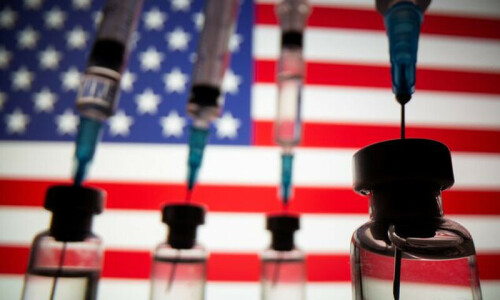
Money that provides healthcare to some of the poorest and most in-need people across the world has been dramatically slashed this year, led by the administration of US President Donald Trump.
The new study published in the prestigious Lancet journal also pointed to recent steep aid cuts announced by the UK, France and Germany.
After reaching an all-time high of $80 billion in 2021 during the Covid-19 pandemic, the total amount of global health aid will sink to $39bn this year, the US-led team of researchers estimated.
That would be the lowest level since 2009.
Such a dramatic change will result in the world entering a new “era of global health austerity”, the authors of the study warned.
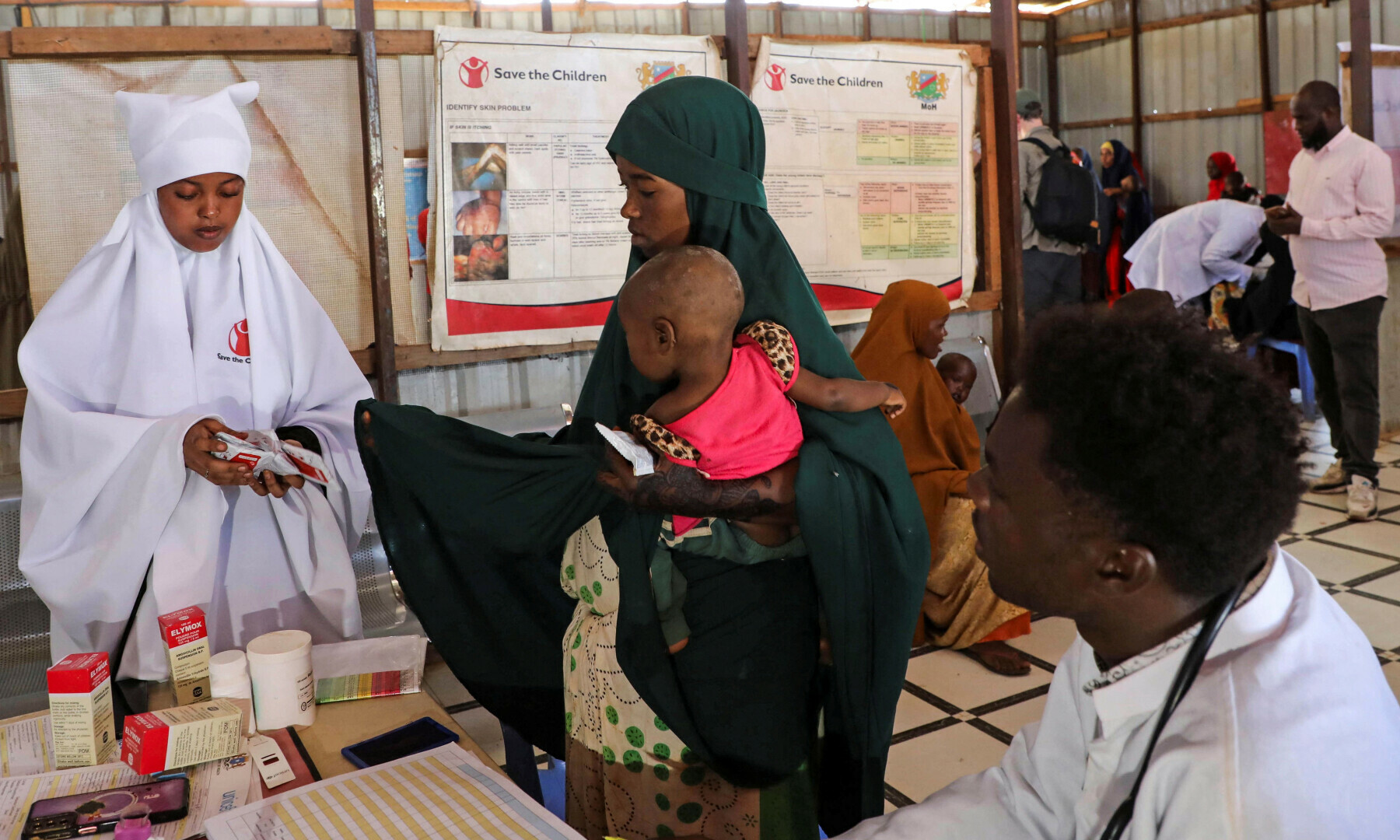
Sub-Saharan African countries such as Somalia, the war-torn Democratic Republic of Congo and Malawi will be hit worst because most of their health funding currently comes from international aid, according to the study.
The funding cuts will have a major impact on the treatment and prevention of a range of diseases, including HIV/AIDS, malaria and tuberculosis, it added.
The US slashed its global health funding by at least 67 per cent in 2025 compared to last year, according to the research. The UK cut its funding by nearly 40pc, followed by France with 33pc and Germany with 12pc.
The researchers at the US-based Institute for Health Metrics and Evaluation called for the world to urgently ramp up health aid. They also warned that nations would likely need to find other sources of funding.
The study was released as AIDS experts meet in Rwanda’s capital Kigali for an international conference on HIV science.
The US foreign aid cuts alone are estimated to result in the preventable deaths of more than 14m people by 2030, according to a different Lancet study published earlier this month.
For comparison, around 10m soldiers were killed during World War I.