Disease outbreaks feared in Karachi as stagnant water turns toxic
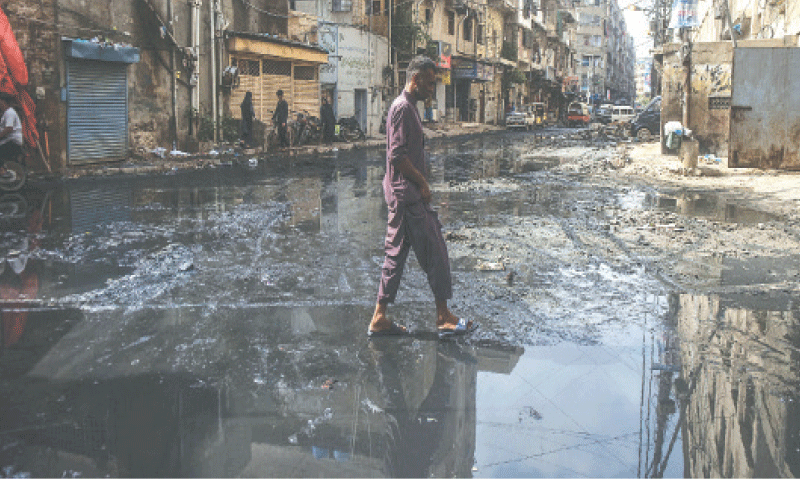

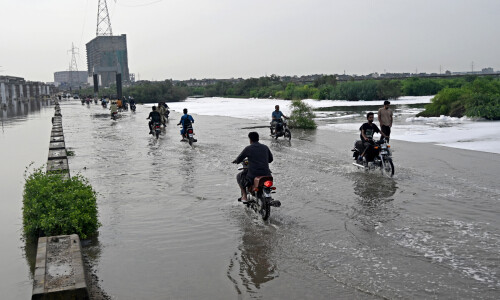
KARACHI: As dense clouds continue to dominate the city’s skies following recent monsoon devastation, health experts and senior environmentalists have urged the authorities to speed up the process of clearing standing water and lifting solid waste before the next spell to minimise the threat of disease outbreaks.
They also stressed the need to prioritise regular cleaning of storm water drains and rainwater harvesting in ways that help replenish depleting groundwater resources and minimise the threat of urban flooding.
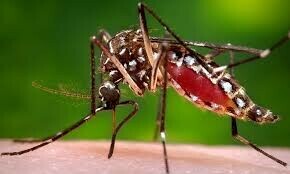
“There is a high risk for the spread of vector and water-borne diseases this year, given the high intensity of rains we have just experienced. We must try to utilise the brief time available right now before the next spell hits as pools of standing water will soon turn into breeding grounds for mosquitoes,” shared Dr Imran Sarwar, who heads the emergency department of the Dr Ruth Pfau Civil Hospital Karachi.
He added that generally cases of gastroenteritis, malaria and dengue see a sharp increase soon after the rains, especially during this season.
Overflowing gutters, pools of standing water, heaps of garbage fast becoming breeding grounds for mosquitoes, experts warn
At the moment, Dr Sarwar pointed out, most patients reporting at the emergency department suffered from viral infections. “But, this pattern is likely to change in the coming days, as happens every year during and after the monsoon.”
Sharing his clinical observations, Dr Abdul Wahid Rajput, Medical Superintendent at the Sindh Infectious Diseases Hospital and Research Centre, said the vector and water-borne diseases constituted 30 to 40 percent of the patient load.
“The threat of water and vector-borne diseases must not be taken lightly as these diseases can kill, if complications occur. All age-groups are affected,” he said, adding that the city’s infrastructure was fragile and citizens shared the responsibility with the state to contribute towards making their neighborhoods livable.
Killing mosquitoes
Talking of solutions, Dr Waqar Ahmed at Karachi University’s Institute of Environmental Studies said that a small amount of oil, such as vegetable, neem or mineral or kerosene oil, added to the water where mosquitoes breed could kill these insects.
“This is an old traditional method. Unfortunately, most people have forgotten it. If citizens start doing so, there will be a sharp decline in mosquito population and cases of illnesses the insects cause,” he said, adding that the method didn’t cause any harm to the environment because the oil used was in too small a quantity.
Dr Ahmed also suggested that rainwater could also be used to replenish underground water resources with rain.
“If we could collect rainwater on the roofs and then direct it into boring channels going inside the ground, we could help recharge our reservoirs,” he explained, regretting that growing concretisation of the city had left limited unpaved spaces for replenishment of underground water.
The city authorities, he stressed, should also think and plan for rainwater harvesting, and make it mandatory on new buildings to have this mechanism.
“This will also help minimise urban flooding. The other strategy is ensuring regular cleaning of storm water drains and removing encroachments over them,” he said.
Published in Dawn, August 27th, 2025