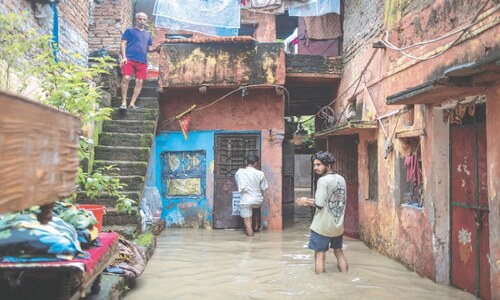
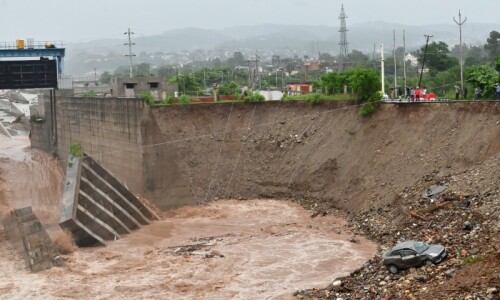
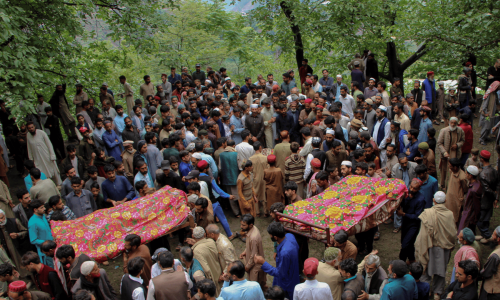
Heavy rain lashes northern India, Yamuna river breaches danger mark in Delhi
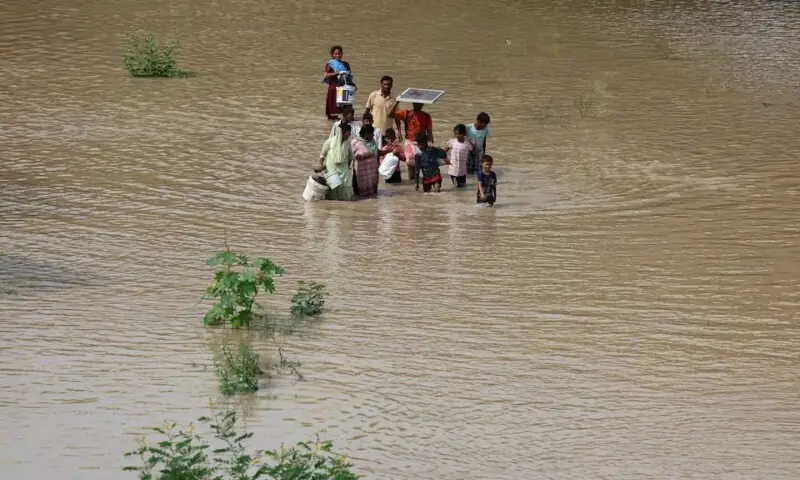

Flooding across northern India killed at least five people on Wednesday, officials said, with more thunderstorms expected and local media reporting that 10,000 people have been evacuated from the river banks in capital Delhi.
The monsoon season in India has been particularly intense this year, killing at least 130 people in August alone in north India, wiping out villages and destroying infrastructure.
The latest round of flooding has hit northern areas of occupied Jammu and Kashmir, Himachal Pradesh, Uttarakhand and Punjab, where the Chenab and Tawi rivers have risen above the danger mark at several spots.
The swollen rivers have triggered landslides and damaged many roads, disconnecting parts of the mountainous regions of Jammu and Himachal from the rest of India.
At least five people were killed today after landslides battered Rajouri and Mandi districts in Jammu and Himachal Pradesh, respectively, officials said.
The India Meteorological Department warned of heavy to very heavy rain in the region today, with more downpours expected in Uttarakhand and Uttar Pradesh.
The Central Water Commission said the swollen Yamuna had breached its danger mark a day ago in Delhi.
Local media reported that nearly 10,000 people had been evacuated to relief camps set up by the government along the main highways as a precautionary measure for those living in low-lying areas.
Residents living along the Yamuna in Delhi were evacuated in 2023 as well after floodwaters entered their homes and the river hit its highest level in 45 years.
Many tourist spots in Himachal Pradesh have been hit by landslides in recent weeks, as raging rivers damaged infrastructure.
Educational institutions were ordered shut, authorities said, asking people to remain indoors due to flood warnings.
In neighbouring India’s Punjab, the government said 30 people have been killed and nearly 20,000 evacuated since August 1.
Water gushing through the plains in India’s breadbasket Punjab state has destroyed 150,000 hectares of crops, the government said a day ago.
Continuous rain prompted authorities to release water from dams, which has caused flooding in the plains in India and Pakistan in recent days.
On the other side of the border, Pakistani authorities issued an alert for more floods in Punjab today after India warned it would release water downstream from its dams, officials said.
New Delhi has previously given four such warnings to Islamabad, the officials said.
The worst floods in four decades have killed at least 43 people in Pakistan’s Punjab, with more than 3.3 million affected since August 26, the Provincial Disaster Management Authority said.
The death toll across Pakistan since the start of the monsoon season in late June stands at 881, according to the National Disaster Management Authority.