Apple unveils iPhone 17 Air amid AI race and tariff pressures


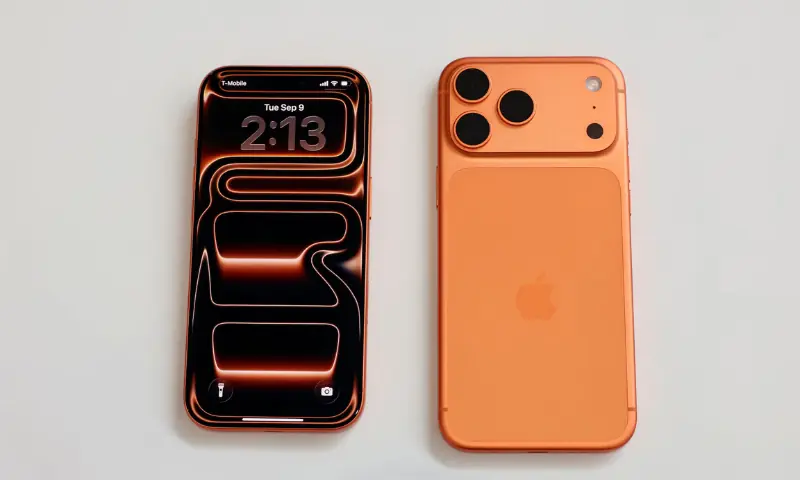
Apple unveiled its iPhone 17 lineup on Tuesday, featuring its thinnest smartphone ever, as the tech giant works to prove it can keep pace in the generative AI race.
The Silicon Valley powerhouse held its annual iPhone release event amid mounting pressures: the White House is pushing the company to reduce its dependence on Chinese manufacturing, while investors question whether Apple is truly ready for the AI age.
Adding to these challenges, the company faces headwinds from United States President Donald Trump’s high tariff policies. Apple shares have dropped more than three per cent since the Republican took office in January.
Against this backdrop, Apple is betting on a product that it hopes will spark a super-cycle of iPhone purchases and reverse the trend of customers holding onto their devices longer before upgrading.
“The event shows Apple sidestepping the heart of the AI arms race while positioning itself as a long-term innovator on the AI hardware front, with silicon and device-level integration,” said Emarketer analyst Gadjo Sevilla.
To reinvigorate its brand, Apple introduced the iPhone 17 Air, which CEO Tim Cook called “a total game changer”.
At just 5.6mm thick (less than a quarter inch), the $999 device features Apple’s new A19 Pro processor — its most powerful iPhone chip to date — and promises all-day battery life with up to 40 hours of video playback.
The Air joins Apple’s more standard lineup, including the premium iPhone Pro 17, the company’s most expensive and highest-performing model.
While all new devices incorporate generative AI technology, Apple made no major announcements about expanding its AI capabilities beyond updates to existing features in its “Apple Intelligence” suite.
The company’s AI push has struggled to gain traction since it launched “Apple Intelligence” late last year. Users have been particularly disappointed with improvements to Siri, which remains surprisingly basic despite years of promises.
Apple reportedly plans to integrate AI into online search next year and overhaul Siri, though the company hasn’t confirmed these reports.
The tech giant is also said to be partnering with Google to tap into its search and AI expertise.
“To truly differentiate and smoke the competition, Apple will have to crack AI as a new contextual user-interface” on its devices, Forrester analyst Thomas Husson said in a note.
“Executing such an ambitious AI strategy will take time. It won’t happen at best until next year, if not for the iPhone’s 20th anniversary” in 2027, he added.
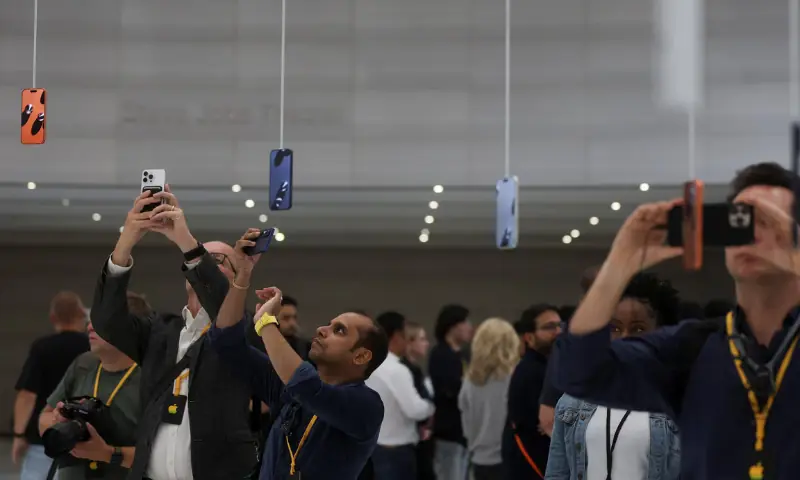
Pivot to iPhone Air
Industry analysts see the iPhone Air as a strategic pivot, with Apple positioning ultra-thin design — rather than larger screens — as its new premium selling point.
The super-slim profile could also pave the way for Apple’s long-rumoured foldable iPhone, expected as early as next year. Samsung and China’s Huawei already offer foldable smartphones.
However, engineering such thin devices presents challenges: higher production costs and reduced battery space, though Apple claims 24-hour battery life for the iPhone 17 Air when fully charged.
Despite tariffs that increase production costs, Apple kept iPhone prices unchanged from last year’s equivalent models — a move that may squeeze profit margins.
Cook revealed in July that Trump’s tariffs cost Apple $800 million last quarter, with an estimated $1.1 billion impact expected this quarter.
Apple shares fell 1.40pc after pricing details were announced, reflecting investor concerns about the company’s ability to maintain its profit margins.
Apple also introduced the AirPods Pro 3, featuring enhanced noise cancellation and real-time translation capabilities, along with the Apple Watch Series 11, which includes 5G connectivity, extended battery life, and heart health monitoring features pending regulatory approval.