PSX faces pressure amid geopolitical tensions, IMF delays
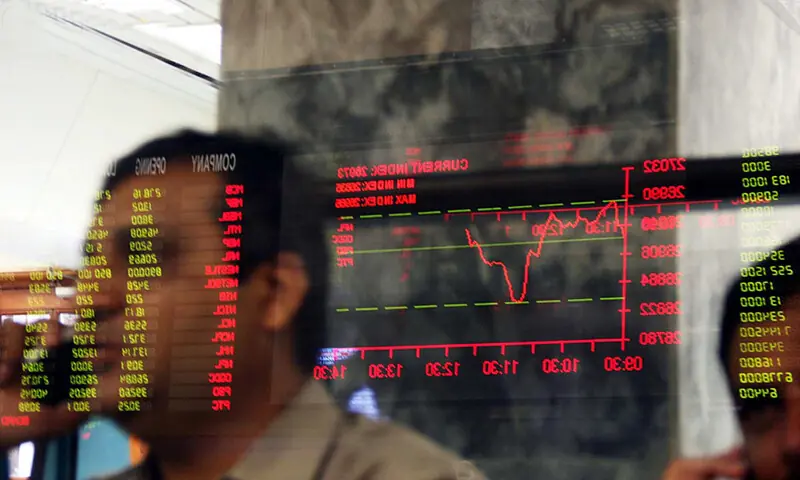

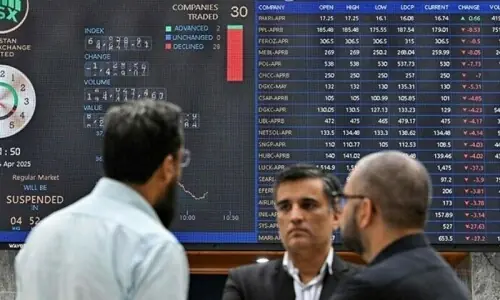
KARACHI: The Pakistan Stock Exchange (PSX) experienced a sharp decline during the outgoing week, as investor sentiment was undermined by a combination of global and domestic uncertainties.
The KSE-100 index fell by nearly 3.5 per cent, weighed down by concerns over the delayed staff-level agreement (SLA) with the International Monetary Fund (IMF), geopolitical tensions in the region, and widespread profit-taking.
According to Topline Securities, the benchmark index slipped by 3.48pc on a week-on-week basis, closing at 163,098 points. This decline came as market participants reacted to reports early in the week that the IMF had raised concerns over a $11bn trade data gap. Although the State Bank of Pakistan (SBP) clarified the situation later, investor concerns persisted.
Additionally, the selling pressure from the insurance sector, which saw a net sell of $25m, further dampened market sentiment. Geopolitical risks, particularly the recent blast in Kabul, added to the unease, heightening fears of escalating tensions with Afghanistan.
Other key developments during the week included the release of Pakistan’s remittance data for September, which showed an 11pc year-on-year (YoY) increase, totalling $3.18bn. Car sales also posted a strong performance, with the Pakistan Automobile Manufacturers Association (PAMA) reporting a 67pc YoY increase in sales for the month, reaching 17,174 units. Despite these positive indicators, investor participation declined, with trading volume dropping by 8.8pc to 1.35bn shares and turnover falling by 24pc to Rs54.8bn.
KSE-100 index slides by 3.5pc to 163,098 points on profit-taking
Arif Habib Limited (AHL) noted that the overall market faced significant selling pressure, primarily driven by profit-taking. The KSE-100 index dropped by 5,892 points over the week. This was further compounded by the ongoing political instability, with tensions between the government and its coalition allies weighing on market sentiment.
On the economic front, the National Accounts Committee (NAC) revised Pakistan’s GDP growth for FY25 upwards to 3.04pc, from the earlier estimate of 2.68pc. This was largely due to stronger-than-expected performance in the third and fourth quarters, with the economy expanding by 2.79pc in Q3 and 5.66pc in Q4. Sectoral growth was driven by a t19.95pc increase in industrial output, while agriculture grew by 0.18pc and services expanded by 3.72pc. The latest GDP data offered some respite, but the market remained cautious amid external uncertainties.
Central government debt increased by 1pc month-on-month to Rs77.5tr as of August 2025, reflecting a 10.1pc rise year-on-year. Meanwhile, oil production inched up by 0.3pc week-on-week to 64,493 barrels per day (bopd), and gas production rose by 3.1pc week-on-week to 2,900 million cubic feet per day (mmcfd), thanks to higher output from key fields like Makori East and Nashpa.
Remittances from overseas Pakistanis continued to show resilience, growing 11pc YoY to $3.18bn in September, up from $2.9bn in September 2024. On a month-on-month basis, remittances increased by 1.45pc, with total remittance inflows for the first quarter of FY26 rising by 8pc YoY to $9.6bn. This steady inflow of foreign remittances provided some stability to the currency market. The Pakistani rupee appreciated by a marginal 0.03pc week-on-week, closing at Rs281.17 to the dollar.
On the foreign exchange front, Pakistan’s total FX reserves rose slightly by $13.7m to $19.81bn, with the SBP’s reserves increasing by $20m to $14.42bn. Despite this, market observers remain cautious about the broader macroeconomic outlook, especially with the ongoing IMF discussions and geopolitical concerns.
Looking ahead, analysts at AHL predict that the market’s momentum may shift depending on the outcome of key corporate earnings announcements and developments regarding the IMF’s second review. They noted that the KSE-100 Index is currently trading at a forward Price-to-Earnings Ratio (PER) of 8.21x for 2026, below its 15-year average of 8.59x, making it an attractive investment proposition with a dividend yield of approximately 6.3pc.
AKD Securities echoed similar sentiments, suggesting that investor sentiment may improve if the second phase of IMF discussions yields positive results. With geopolitical risks stabilising and domestic fundamentals showing some resilience, market participants are expected to watch for any shifts in political dynamics and macroeconomic data that could influence stock market performance.
Overall, while the market remains under pressure in the short term, analysts are cautiously optimistic about the medium-term outlook, especially as corporate earnings season begins and external investment inflows could boost sentiment.
Published in Dawn, October 12th, 2025