Delhi gasps after firework frenzy

New Delhi: Air quality in India’s capital New Delhi deteriorated to hazardous levels on Tuesday with readings the highest in the world, according to the Swiss group IQAir, partly due to the use of firecrackers during Diwali, the Hindu festival of lights.
The Supreme Court of India last week relaxed a ban on firecrackers in the city, permitting the use of so-called “green crackers” for a maximum of three hours each on Sunday and Monday, although witnesses saw crackers being set off outside the allotted times.
Emissions from the crackers are 30pc to 50pc lower than conventional fireworks.
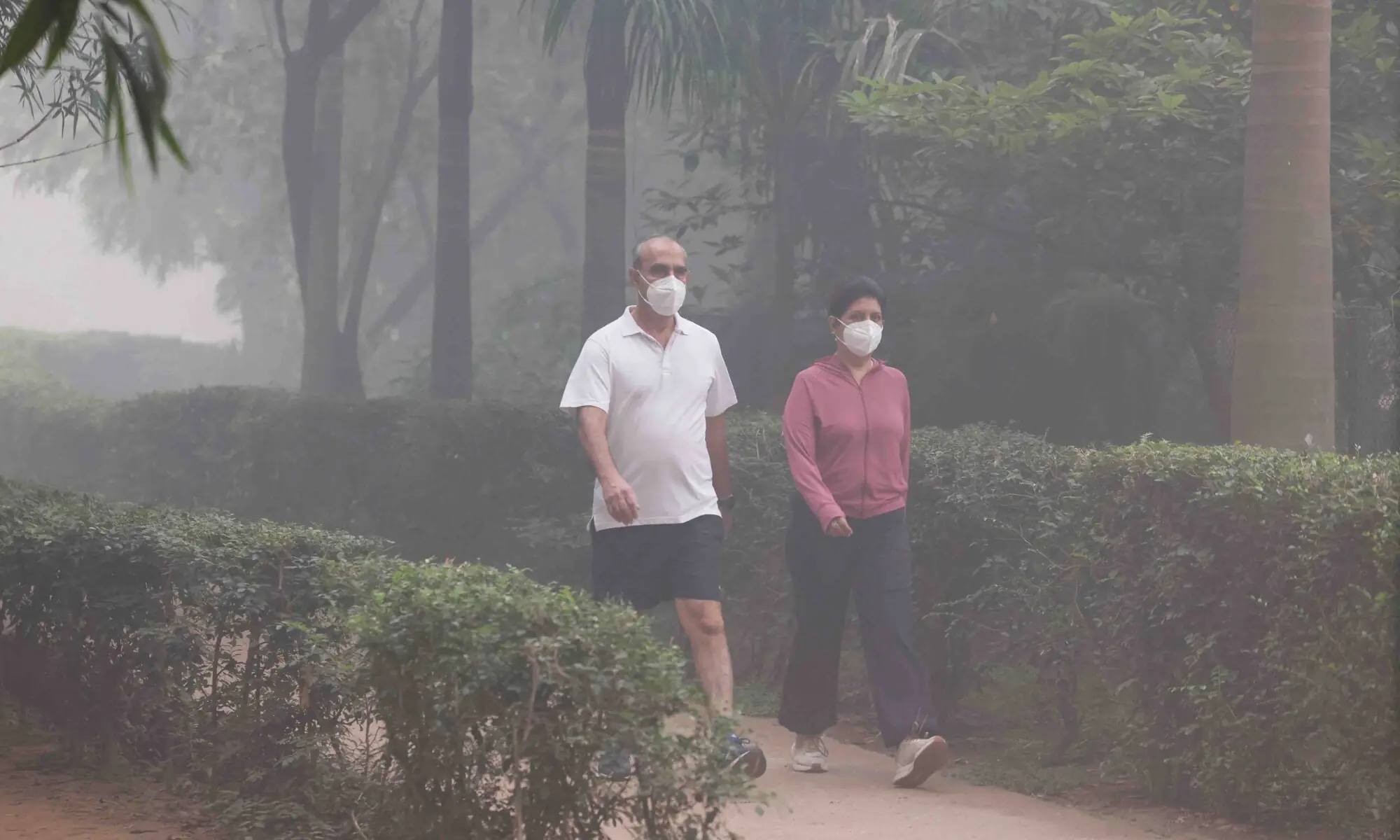
IQAir’s reading for New Delhi was 442, making the Indian capital the world’s most polluted major city. Its PM 2.5 concentration was more than 59 times the World Health Organisation’s recommended annual guideline.
PM 2.5 refers to particulate matter measuring 2.5 microns or less in diameter that can be carried into the lungs, risking deadly diseases and cardiac problems.
India’s Central Pollution Control Board (CPCB) also rated the city’s air quality “very poor” with an air quality index (AQI) measurement of 350. CPCB considers an AQI of 0-50 as good.
Delhi is unlikely to get relief in the coming days, with the Earth Sciences Ministry forecasting air quality will remain in the “Very Poor to Poor” category with AQI levels between 201 and 400.
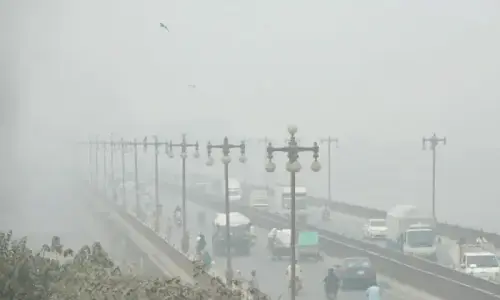
India’s capital and its neighbouring districts are prone to a thick smog every winter as cold, heavy air traps construction dust, vehicle emissions and smoke from agricultural fires, leaving many of its 20 million residents struggling with respiratory illnesses.
In the past, authorities have closed schools, stopped some building work and placed restrictions on private vehicles to tackle the problem. India is not alone among South Asian nations in battling toxic air.
Published in Dawn, October 22nd, 2025