DESPITE the efforts of friendly states to broker a long-term peace and resolve differences between Pakistan and Afghanistan through dialogue, the talks between Islamabad and Kabul in Istanbul have collapsed. According to Pakistani officials, the Afghan Taliban’s stubbornness is to blame for the failure. In particular, the Taliban’s refusal to give ironclad, verifiable guarantees that their soil will not be used against Pakistan by terrorist groups such as the TTP proved to be the biggest stumbling block towards an agreement.
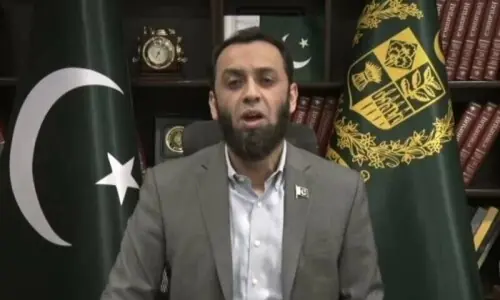
From this point, we stand at a delicate juncture. The defence minister has used strong language, vowing to strike Afghanistan in case of further terrorist attacks, while also observing that Pakistan’s western neighbour had become a “congregation of international terrorism”. The UN, meanwhile, has observed that even through dialogue may have collapsed, it is hoped that there would be no fresh hostilities between the two states.
The sense of betrayal in Pakistan at the Taliban’s intransigence is understandable. Ever since the hard-line movement was formed in the mid-1990s, the Pakistani state has kept channels open with its leadership. This country was one of only three in the international community to recognise the earlier Taliban regime in Kabul. Many senior Taliban leaders are believed to have sought refuge in Pakistan after the US invasion in 2001. And after the Taliban successfully took Kabul in 2021, the then ISI chief was snapped in the Afghan capital having tea.
Even aside from the Taliban, Pakistan has hosted millions of Afghan refugees from the days of the Soviet invasion to the present. Therefore, the fact that the Taliban were unwilling to stop their TTP ‘guests’ and other terrorist groups from attacking Pakistan has justifiably struck a raw nerve in Islamabad.
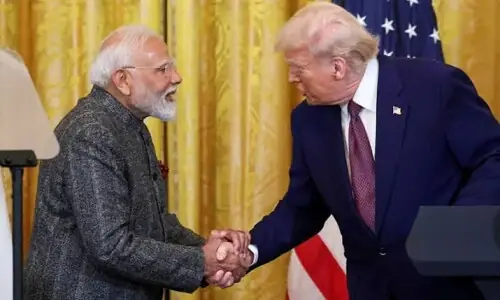
As per the defence minister, an agreement was close at the Istanbul talks, but the Taliban negotiators could not get the nod from Kabul. He also added that Kabul was apparently following the Indian line. It is a fact that from being foes, New Delhi and the Taliban have suddenly warmed to each other; it would not be wrong to say that India is cultivating the Taliban to pressurise Pakistan.
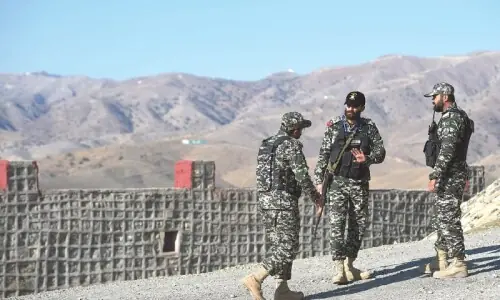
At this stage, there are few good choices for Pakistan. The state should certainly keep its guard up, and infiltration attempts by terrorists based in Afghanistan must be thwarted. The defence of the country is non-negotiable. Yet, diplomatic efforts should also continue. It must be remembered that Afghanistan-based terrorism threatens the whole region, not just Pakistan.
Therefore, a regional approach to tackle the problem could bear results. The Taliban need Chinese and Russian investment and recognition, therefore together with these and other friendly states, Pakistan must continue diplomatic efforts until the Taliban disown their terrorist friends.
Published in Dawn, October 30th, 2025