Pakistan faces climate fragility, warn lenders
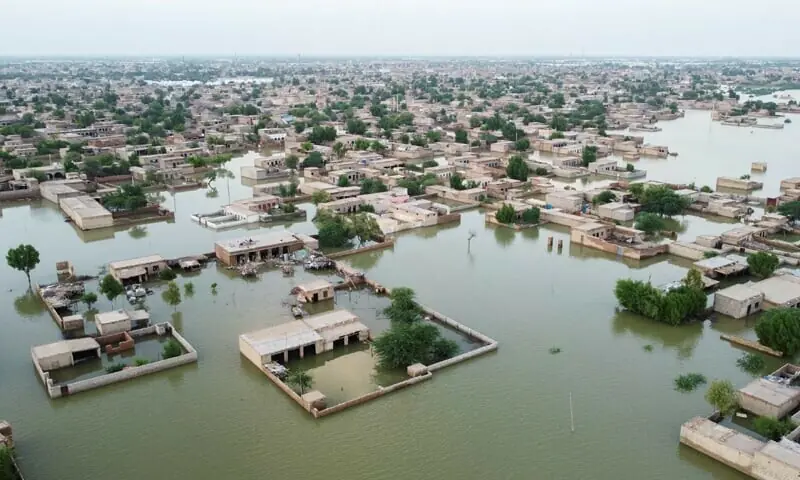

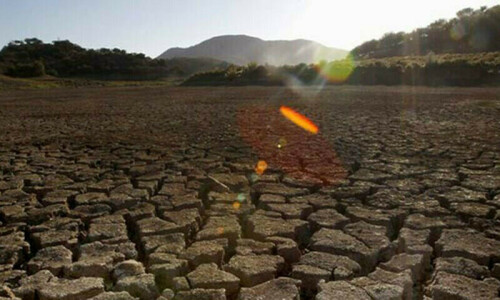
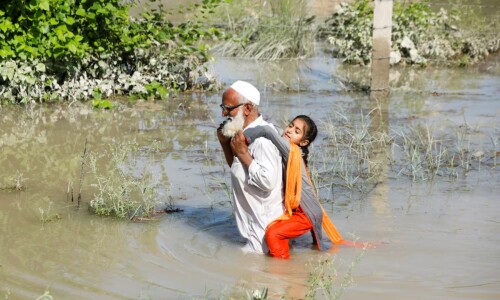
ISLAMABAD: The International Financial Institutions (IFIs) have raised urgent concerns over Pakistan’s escalating climate vulnerability and environmental degradation, warning that unchecked population growth and dwindling natural resources could deepen the country’s fragility.
These observations and recommendations emerged during the closing plenary of the 28th Sustainable Development Conference held on Friday, where experts — including representatives from the World Bank and the International Monetary Fund (IMF) — underscored the need for immediate action.
World Bank Country Director Dr Bolormaa Amgabazar said that Pakistan faces alarmingly high vulnerability to climate change and natural disasters, compounded by escalating air and water pollution. At the same time, the country’s rapid population growth — among the highest globally — is placing immense strain on its already depleting natural resources, posing serious long-term risks to environmental and economic stability.
She said that the Climate and Country Development Report by the World Bank predicted a 20-30 per cent decline in GDP by 2050, amid business as usual and no action to address climate vulnerability.
World Bank projects 30pc GDP loss by 2050; IMF links climate goals to reform agenda
“Pre-arranged and predictable multi-year financing is the key for Pakistan in terms of emergency that should be multi-sectoral financing basically for development,” she added.
Dr Bolormaa mentioned the World Bank’s Country Partnership Framework, which is a $20 billion financing for the next 20 years to be available for Pakistan, and the government can decide its future interventions and projects around it.
IMF Country Representative Mahir Binici, on the occasion, said that Pakistan’s newly approved $1.4 billion arrangement under the Resilience and Sustainability Facility (RSF) will play a vital role in strengthening the country’s economic resilience and capacity to withstand environmental shocks.
“The initiative is aimed at integrating climate considerations into Pakistan’s public financial management and fostering long-term sustainable growth,” he said, adding that the RSF is operating in parallel with Pakistan’s ongoing Extended Fund Facility (EFF), a three-year structural reform programme running until 2027.
“Both programmes are Pakistan’s own reform efforts, supported by the Fund,” Binici said, emphasising that the synergy between the two frameworks is “instrumental in placing Pakistan on a path toward stronger, more inclusive and climate-resilient growth.”
Mr Binici said Pakistan is taking concrete steps to embed climate priorities into its budgetary process, starting from the next fiscal year. “Project selection under the Public Sector Development Programme (PSDP) will undergo climate screening, especially for major infrastructure investments,” he added, stressing that such transparency would enhance accountability and resource efficiency.
UNDP Resident Representative Samuel Rizk said the world is witnessing a transformative phase where financing has become more appropriate and critical for ensuring sustainable development.
He noted that the government is the biggest source of financing for sustainable development, chipped in by multilateral development entities and the private sector together.
Published in Dawn, November 8th, 2025